
オンラインプレビューをはるかに凌ぐ、高解像度で鮮明なデジタル画像をご購入いただけます。
各ファイルは、社内の専門家が高度なツールと熟練した手作業によるレタッチを駆使し、細心の注意を払って仕上げています。すべての画像において、卓越した鮮明度、正確な色彩再現性、そして繊細なディテールをお約束いたします。
最終ファイルは、プロフェッショナルな編集・印刷環境ですぐにご利用いただけるよう最適化された状態で、72時間以内にメールにてお届けいたします。これは、一流のデザインスタジオ、出版社、ギャラリーから信頼されているものと同等の品質です。
個人での鑑賞、印刷、クリエイティブなプロジェクトにご利用いただける高解像度ファイルをダウンロードできます。 ( プリント版に切り替え 手描きの複製画を注文する)
WahooArt.com を選ぶことは、単に画像を手に入れることではありません。プロの手によって精密に仕上げられ、満足保証が付いた高品質なデジタルアートワークを受け取ることを意味します。ご注文いただいた際に自動的に付随する内容は、以下の通りです:
ご注文から72時間以内に、高解像度のデジタル画像ファイルをメールでお送りいたします。お手元に届き次第、すぐにご利用いただけます。
お客様の作品は、高度なAI技術と専門家による手作業を組み合わせてプロフェッショナルに最適化されており、細部のディテール、鮮明さ、そして正確な色再現性を最大限に引き出しています。
ファイルを誤って削除したり、紛失してしまったりしましたか?ご安心ください。いつでも無料で再送いたします。
関税や手数料、配送料を気にすることなく、お気に入りのアートワークをすぐにお楽しみいただけます。デジタルダウンロードは常に免税です。
プロ仕様のツールとカラーマネジメント技術を用いることで、デジタル画像が元の色を最大限に忠実に再現することを保証いたします。
ご購入いただいたデジタル画像にご満足いただけない場合は、100日以内であれば、理由を問わず修正または100%の返金対応をさせていただきます。
ご満足いただけない場合は、デジタルファイルを受け取ってから100日以内であれば、理由を問わず全額返金いたします。
3枚購入で10%OFF、5枚購入で15%OFF、10枚以上のご購入で20%OFF。クリエイティブなプロジェクトやギャラリー、エージェンシーに最適です。
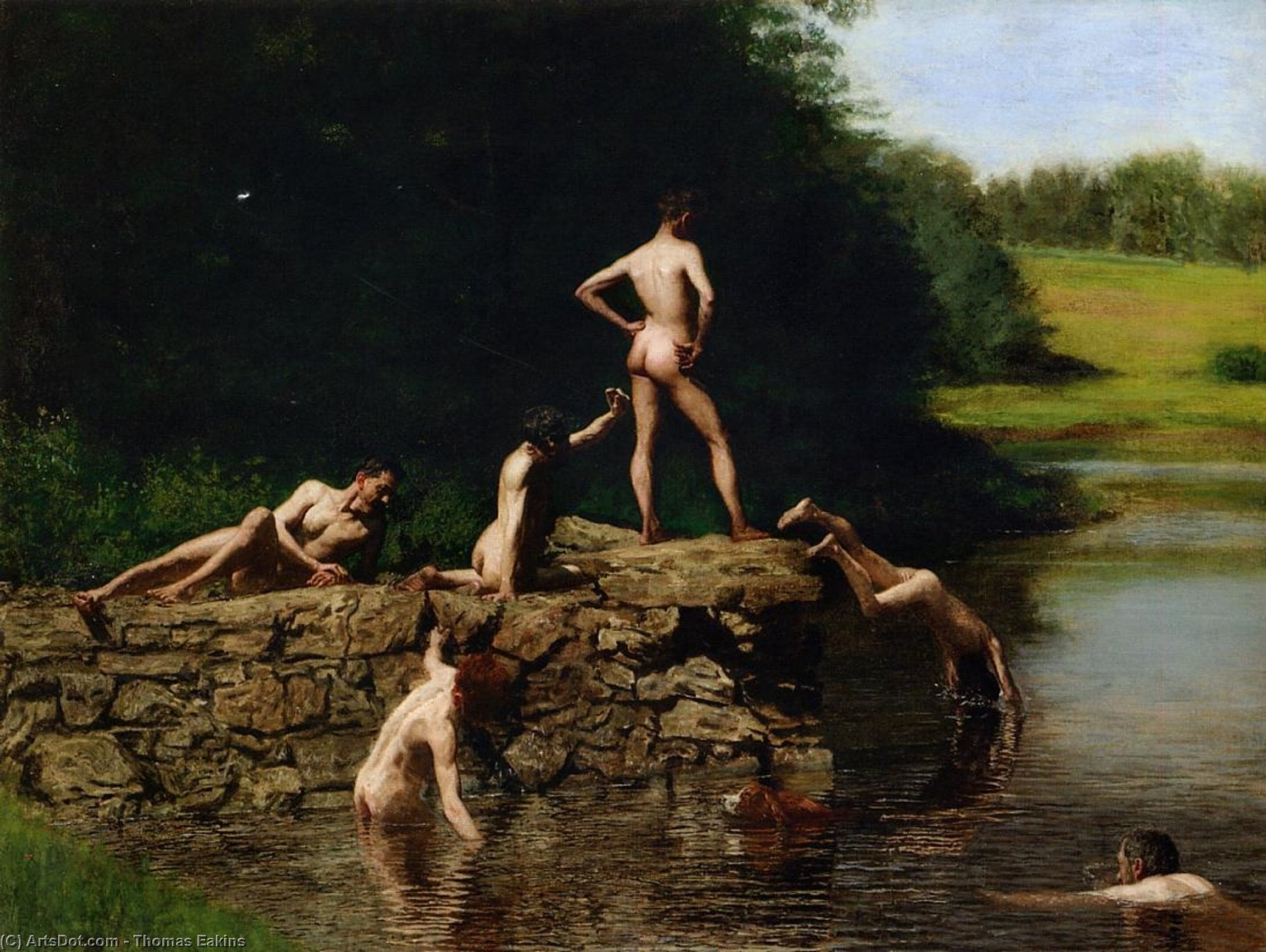
Thomas Eakins’ “Swimming,” painted in 1884, isn't merely a depiction of men enjoying a summer day; it’s a profound exploration of the human form, movement, and the burgeoning spirit of American realism. Born from meticulous observation and a desire to capture not just appearances but the very essence of experience, this oil on canvas transcends simple representation, inviting viewers into a world of dynamic energy and subtle psychological depth. Eakins, deeply influenced by his scientific training – he’d studied anatomy at Jefferson Medical College – approached the subject with an almost clinical precision, yet infused it with a remarkable sensitivity to light, color, and the inherent beauty of the human body in motion.
The genesis of “Swimming” lies within Eakins' broader project: documenting the lives of Philadelphia’s elite. He sought subjects not for their social standing alone, but for their physicality – their strength, grace, and vulnerability. The painting itself emerged from a series of preparatory sketches and photographs taken at Dove Lake, a popular swimming spot outside the city. These studies reveal Eakins' painstaking process: capturing the precise angles of limbs in water, analyzing the interplay of light on skin, and meticulously charting the subtle shifts in posture as men plunged into the lake. The resulting image is not a spontaneous snapshot but the culmination of countless hours of observation and artistic refinement.
“Swimming” immediately challenged the prevailing Victorian sensibilities surrounding nudity in art. While classical sculpture often idealized the male nude, Eakins presented figures stripped bare with an unapologetic directness. The painting’s composition—six men positioned within a rocky stream environment—creates a dynamic tableau of movement and camaraderie. The deliberate positioning of the bodies, particularly the prominent but subtly ambiguous rendering of one figure's lower torso, sparked considerable controversy at the time. Eakins wasn’t simply depicting a swimming scene; he was engaging with complex questions about masculinity, sexuality, and the role of the male body in American culture.
The homoerotic undertones within “Swimming” are undeniable, yet they aren't presented in a sensationalized or overtly provocative manner. Instead, Eakins’ focus remains firmly on capturing the physicality of the human form – the ripple of muscles, the sheen of wet skin, the fluidity of movement. The painting invites viewers to contemplate not just the act of swimming but also the unspoken connections between the men depicted, fostering a sense of intimacy and shared experience.
Eakins’ mastery of technique is immediately apparent in “Swimming.” He employed a layered approach to oil paint, building up form through meticulous brushwork that captures the texture of skin, stone, and water. The use of light is particularly striking – soft, diffused illumination creates an atmosphere of hazy warmth, while carefully rendered shadows define the contours of the figures’ bodies. The painting's perspective draws the eye into the scene, guiding it from the foreground to the distant trees and hills, creating a sense of depth and immersion.
Furthermore, Eakins’ understanding of color is remarkable. He skillfully utilized muted earth tones—ochres, browns, greens—to evoke the natural setting while simultaneously highlighting the vibrant hues of skin and water. The subtle variations in tone create a dynamic interplay of light and shadow, adding to the painting's overall sense of realism and immediacy. The careful attention to detail – from the ripples on the water’s surface to the texture of the stone wall—demonstrates Eakins’ commitment to capturing every nuance of his subject.
“Swimming” stands as a pivotal work in American art history, representing a significant departure from traditional academic painting. It exemplifies Eakins' pioneering approach to realism – his willingness to depict the human body with unflinching honesty and psychological insight. The painting’s influence can be seen in the works of subsequent generations of American artists who sought to capture the complexities of modern life with a similar blend of observation, emotion, and technical skill. Today, “Swimming” continues to captivate viewers with its dynamic composition, evocative atmosphere, and profound exploration of the human condition.
トーマス・エイキンズ作「Swimming」は1884年に制作されたもので、Contemporary Realismに属します。
はい、作品は作家の母国に保管されています。。トーマス・エイキンズはアメリカ合衆国で生まれ、その真作である「Swimming」はアメリカ合衆国の美術館に収蔵されています。
Large サイズ、Landscape 方向:こちらは トーマス・エイキンズ作「Swimming」 に推奨されるプリント設定です。


1844 - 1916 , アメリカ合衆国

 設置イメージを確認
 送る
送る シェア
シェア
 詳細情報
詳細情報 ガイドを表示

 画像をダウンロード
 似ている作品
 X線調査
X線調査 スライドショー
 統計情報
統計情報


 続きを読む
続きを読む


