スピーディーな制作と多彩な仕上げオプションが魅力の、ミュージアムクオリティなジークレー・キャンバスプリント。 ( 手描きの複製画を注文する デジタル画像販売へ切り替え)





























作品のオリジナル比率に合わせた、当店の規定サイズからお選びください。

特定のフレームやスペースに合わせて、ご自身でサイズを指定することも可能です。選択されたサイズが元の画像の比率と一致しない場合、作品をトリミングするか、鏡面反射または単色での塗りつぶしによって画像を拡張いたします。制作を開始する前に、ご確認用のデジタルモックアップをお送りいたします。
画面上のプレビューには、実際のトリミングや拡張は反映されませんのでご注意ください。最終的な構図を正確に確認できるのは、モックアップのみとなります。
カスタムサイズも承っておりますが、元の比率を維持するためには、あらかじめ用意されたリストからサイズを選択することをお勧めいたします。

Making Sorghum
複製画サイズ一覧
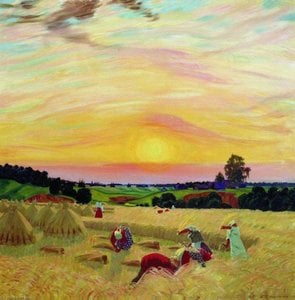
In the evocative canvas of Making Sorghum, created in 1964 by the Mississippi folk artist Theora Alton Hamblett, we are transported to a bygone era of agricultural rhythm and communal labor. The painting serves as a profound window into the heart of the American South, capturing a moment of industriousness that feels both intimate and monumental. At its center, a man stands before a towering mound of sorghum, his figure anchored by the weight of the harvest. Around him, the scene breathes with the quiet energy of shared toil; other figures move through the landscape, their presence weaving a tapestry of human connection to the land. The inclusion of a truck, poised for transport, bridges the gap between traditional manual labor and the encrovers of modernity, grounding this nostalgic vision in a specific, tangible historical reality.
The composition is framed by the lush, verdant backdrop of trees that suggest the fertile, untamed beauty of the Mississippi countryside. Hamblett, who began her formal artistic journey much later in life, possesses a unique ability to blend Memory Paintings with a keen observational eye for landscape. In this work, the textures of the hay and the organic shapes of the foliage are rendered with a sincerity that speaks to her roots. The atmosphere is one of peaceful productivity, where the heat of the day and the dust of the harvest seem almost palpable through the brushstrokes, inviting the viewer to step into the shade of the trees and witness the cycle of life unfolding.
Technically, Making Sorghum exemplifies the soulful simplicity that defines Hamblett’s celebrated style. Her approach does not rely on complex academic trickery but rather on a masterful use of color and form to evoke emotion. The palette is earthy and warm, dominated by the golden hues of the sorghum and the deep, restorative greens of the surrounding forest. This harmony of tones creates a sense of stability and abundance, making the piece an ideal focal point for spaces that value warmth and organic beauty. For the collector or interior designer, this painting offers more than just decoration; it provides a narrative anchor that brings a sense of groundedness and historical depth to any room.
Beyond its visual appeal, the painting carries a deep symbolic resonance. It celebrates the dignity of labor and the importance of community—themes that were central to Hamblett’s upbringing in a deeply religious and hardworking Mississippi household. The act of preparing the sorghum is not merely a chore depicted on canvas; it is a ritual of sustenance and survival. To hang a high-quality reproduction of this work is to invite a sense of nostalgia and reverence for heritage into one's home. It serves as a poignant reminder of the enduring connection between humanity and the earth, making it a timeless acquisition for those who seek art that speaks to the soul and honors the quiet triumphs of everyday life.


1895 - 1977 , United States of America

Explore the profound beauty of folk art through its rich history and storytelling traditions. Discover how Naive Art and cultural heritage preserve ancestral narratives through vibrant color and symbolism for the modern collector.

Embark on a sophisticated journey through the world of folk art. Our expert guide offers connoisseurs deep insights into discovering, identifying, and collecting meaningful cultural masterpieces that preserve the soul of global traditions.

Discover the profound beauty of folk art through a cultural lens. Explore how naive masterpieces and vibrant global traditions preserve heritage, offering timeless inspiration for collectors and art enthusiasts seeking authenticity and soul in every brushstroke.

 設置イメージを確認
 送る
送る シェア
シェア
 詳細情報
詳細情報 ガイドを表示

 画像をダウンロード
 似ている作品
 X線調査
X線調査 スライドショー
 統計情報
統計情報


 続きを読む
続きを読む









 ガラスオプションは、110cm未満のサイズでのみご利用いただけます。