

 Oil On CanvasWallArtDe Stijl
 1928Modern
 50.0 x 50.0 cm
スピーディーな制作と多彩な仕上げオプションが魅力の、ミュージアムクオリティなジークレー・キャンバスプリント。 ( 手描きの複製画を注文する デジタル画像販売へ切り替え)





























作品のオリジナル比率に合わせた、当店の規定サイズからお選びください。

額縁や壁のスペースに合わせて、ご希望の幅と高さを入力してください。プリントはカットすることは可能ですが、元の画像より大きくすることはできないため、異なる比率のサイズを選択された場合は、画像の一部が欠けることになります。印刷を開始する前に、内容を確認していただくためのデジタルモックアップをお送りいたします。このページに表示されている画像は、実際のカット後の状態を示すものではありません。実際の仕上がりはモックアップにてご確認ください。
Composition with half values
複製画サイズ一覧
Theo van Doesburg's "Composition with half values," created in 1928, stands as a pivotal work within the De Stijl movement. This oil on canvas painting exemplifies the artist’s dedication to geometric abstraction and his exploration of visual harmony through carefully balanced forms and colors. Housed in the Kunstmuseum Basel, Switzerland, this piece is more than just an aesthetic arrangement; it's a testament to a revolutionary artistic philosophy.
To fully appreciate "Composition with half values," understanding the De Stijl movement is crucial. Founded in 1917 by Piet Mondrian and van Doesburg, De Stijl (meaning “The Style” in Dutch) aimed to create a universal artistic language based on pure abstraction. The movement rejected representational art, believing that it distracted from underlying mathematical principles of harmony and order. Key tenets included:
De Stijl artists believed that by reducing art to its essential elements, they could reveal universal truths about the universe and contribute to a more harmonious society.
The painting itself is a striking example of these principles. It features a grid-like structure dominated by rectangular shapes in muted blues and whites. A large, vibrant blue square disrupts the otherwise orderly arrangement at the top, while a yellow rectangle anchors the composition at the bottom. The interplay between these elements creates a dynamic tension.
The title "Composition with half values" refers to van Doesburg's exploration of visual balance. He sought to create compositions where opposing forces – like color and shape – were in equilibrium, representing a sense of harmony. While Mondrian favored strict right angles, van Doesburg later reintroduced diagonals into his work, as seen here, pushing the boundaries of De Stijl’s established rules.
Although abstract, "Composition with half values" evokes a range of emotions. The rigid geometry can convey a sense of order and control, while the contrasting colors introduce an element of surprise and visual excitement. The painting's lack of representational imagery encourages viewers to engage directly with the forms and colors themselves, prompting introspection and contemplation.
Beyond its aesthetic qualities, the artwork symbolizes a search for universal harmony and balance through reduction to fundamental geometric elements. It reflects a broader cultural shift towards abstraction in the early 20th century, as artists sought new ways to express their ideas and challenge traditional artistic conventions. "Composition with half values" remains a powerful testament to the enduring legacy of De Stijl and its profound influence on modern art and design.
テオ・ファン・ドースブルフ作「Composition with half values」は、abstract, geometric, composition, rectangles, primary colors, de stijl, grid, minimalismを描き出し、Modernな情緒を湛えています。主題と雰囲気が相まって、作品の物語を形作っています。
「Composition with half values」は、De Stijlの作品です。この様式は、その作品が属する芸術的伝統を示しています。
テオ・ファン・ドースブルフ作「Composition with half values」の色使いは、Discordant Paletteな調和を見せています。ここでの「調和」とは、色彩同士が互いにどのように響き合っているかを表しています。


1883 - 1931 , オランダ

Explore the profound spiritual depth of geometric abstraction. From Malevich's Suprematism to modern masters, our expert guide reveals how pure form and color command presence in fine art collections.
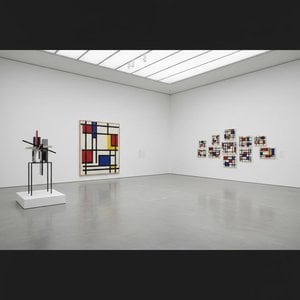
Explore the profound essence of Neoplasticism. Discover how Piet Mondrian and De Stijl masters used pure color and geometric form to redefine modern art. An essential guide for collectors seeking to understand the enduring power of abstract harmony and universal order.

Explore the profound elegance of De Stijl. Discover how Piet Mondrian and the masters of Neoplasticism utilized geometric harmony and primary colors to redefine modern abstraction. An authoritative guide for the discerning collector seeking timeless, structured beauty.

 設置イメージを確認
 送る
送る シェア
シェア
 詳細情報
詳細情報 ガイドを表示

 画像をダウンロード
 似ている作品
 X線調査
X線調査 スライドショー
 統計情報
統計情報 続きを読む
続きを読む









 ガラスオプションは、110cm未満のサイズでのみご利用いただけます。


