

このページに掲載されている作品は著作権法によって保護されており、当社の許可なく同一の複製物を制作または販売することは法律で禁じられています。この保護は、以下のような国際条約に基づき執行されます。 ベルヌ条約 および、以下の条項に定められたものを含む各国の法律により、 米国著作権法 第17編。
この手法は、著作権で保護された作品の複製や複写を伴わないため、著作権法に完全に準拠しています。これは単なる模倣ではなく、創造的な再解釈です。元の作品からインスピレーションを受けつつも、それとは異なる、全く新しい絵画を生み出すものです。
スピーディーな制作と多彩な仕上げオプションが魅力の、ミュージアムクオリティなジークレー・キャンバスプリント。 ( 手描きの複製画を注文する デジタル画像販売へ切り替え)
作品のオリジナル比率に合わせた、当店の規定サイズからお選びください。

額縁や壁のスペースに合わせて、ご希望の幅と高さを入力してください。プリントはカットすることは可能ですが、元の画像より大きくすることはできないため、異なる比率のサイズを選択された場合は、画像の一部が欠けることになります。印刷を開始する前に、内容を確認していただくためのデジタルモックアップをお送りいたします。このページに表示されている画像は、実際のカット後の状態を示すものではありません。実際の仕上がりはモックアップにてご確認ください。
Le Chinois
複製画サイズ一覧
Tamara de Lempicka's "Le Chinois" is a captivating portrait that embodies the spirit of the Art Deco era, showcasing her signature style and fascination with exotic themes. This striking artwork, likely created in the 1920s or 30s, presents a tightly cropped view of a man presumed to be Chinese, rendered with Lempicka's characteristic precision and geometric flair.
"Le Chinois" exemplifies the hallmarks of Art Deco portraiture. The subject’s head and upper torso dominate the composition against a bold red background, creating a sense of intimacy and focus. Lempicka masterfully employs sharp, angular lines to define the planes of the face and clothing, resulting in a stylized and somewhat flattened perspective—a common feature of portraits from this period. The color palette is rich and warm, featuring oranges, browns, and reds contrasted with cooler blues and whites used for detailing. This combination creates visual interest and emphasizes the subject's features. The overall effect is one of sleek elegance and sophisticated modernity, perfectly aligned with the Art Deco aesthetic that celebrated industrial design and streamlined forms.
Lempicka’s technical skill is evident in "Le Chinois." The artwork appears to be executed in oil paints on a canvas support. Visible brushstrokes, particularly noticeable in the rendering of skin tones and fabric textures, add depth and dynamism to the composition. The dramatic lighting—characterized by strong contrasts between light and shadow—further enhances the sense of volume and emphasizes the subject’s features. Lempicka's use of layering and glazing techniques likely contributes to the richness and luminosity of the colors.
The portrait emerged during a period when European society exhibited a fascination with Eastern cultures, often romanticized and exoticized. "Le Chinois" reflects this trend, portraying a figure from a distant land within a distinctly Western artistic framework. The subject’s closed eyes suggest introspection or perhaps a meditative state, adding an element of mystery to the portrait. The vibrant red background could symbolize power, passion, or cultural significance—a deliberate choice by Lempicka to imbue the artwork with deeper meaning. It's important to note that while the work reflects the artistic trends of its time, modern perspectives encourage a critical examination of representations of other cultures.
"Le Chinois" evokes a sense of quiet contemplation and understated elegance. The subject’s serene expression and the artwork's refined aesthetic create a lasting impression on the viewer. As one of Tamara de Lempicka’s most celebrated works, "Le Chinois" continues to captivate audiences with its beauty, sophistication, and insight into the cultural landscape of the Art Deco era. Owning a hand-painted reproduction allows you to bring this iconic piece of art history into your own space, appreciating its timeless appeal and artistic merit.
「Le Chinois」の主題はportrait, art deco, chinese, exoticism, red background, introspection, stylized, geometricです。
タマラ・ド・ランピッカの画業において、「Le Chinois」はMature Periodに制作されたものです。この時期を知ることで、同アーティストの他の作品との比較検討が可能になります。
「Le Chinois」は、日本に生まれたタマラ・ド・ランピッカによって、Art Decoのムーブメントの中で制作されました。アーティストの出自は、この作品を日本のアーティストたちが実践したArt Decoへと結びつけています。

1898年にワルシャワで生まれたタマラ・ド・ランピッカ(本名:マリア・テレサ・グルスカ)は、彼女が描いた肖像画のように魅力的で複雑な人物でした。彼女の人生は小説のようであり、貴族的な生い立ち、革命の混乱、芸術への目覚め、そして永続する輝きに満ちています。裕福なポーランド系ユダヤ人家庭に生まれ、幼少期はヨーロッパ文化に浸り、保養地への旅行や洗練された社交界での経験を通して育まれました。この恵まれた環境が、彼女の美的感覚を深く形作り、美と優雅さを愛する心を育みました。しかし、彼女の平和な幼少時代はロシア革命によって打ち砕かれました。夫のタデウシュ・ランピッカと共に政治的な混乱から逃れ、芸術革新の中心地となりつつあったパリへと新たな人生を歩み始めます。そして、まさにこのパリで、勃興するアール・デコ運動の中で、タマラは自身の表現を見出しました。
ランピッカの芸術的旅路は、正式なアカデミックな訓練から生まれたものではなく、情熱的な自己発見と指導者からの助けによって育まれました。モーリス・ドニやアンドレ・ロートのもとで短期間学んだ彼女は、彼らの技法を吸収しながらも、独自のスタイルを確立していきました。ジャン=ドミニク・アングルの影響は、彼女のネオクラシックな正確さと形態への重点に顕著に見られますが、同時にキュビズムの断片化された視点と幾何学的な抽象を取り入れました。これは大胆な融合であり、彼女のシグネチャーとなる美学を定義しました。彼女の絵画は磨き上げられた表面、洗練された線、そして形態の意図的な様式化によって特徴づけられ、アール・デコが抱く近代性と贅沢さを体現しています。彼女は単に肖像画を描いたのではなく、アイコンを創造したのです。彼女の被写体—しばしば貴族や富裕層—はクールな洗練された雰囲気で描かれ、ジャズ時代の解放された精神を体現していました。緑のブガッティでの自画像は、おそらく彼女の最も象徴的な作品であり、自信に満ちた独立性と自動車のスピード感を際立たせ、比類のない優雅さをもって現代生活の一瞬をとらえています。
1925年のパリで開催された国際装飾芸術産業博覧会は、ランピッカにとって画期的な瞬間となりました。彼女の参加はアール・デコを主流に押し上げ、彼女が時代の主要なアーティストとしての地位を確立するのに役立ちました。この成功は、1927年にボルドー博覧会でバルコニーのキゼットが第一位を受賞したことでさらに確固たるものとなりました。この作品は、古典的な落ち着きと現代的な官能性を融合させた彼女のシグネチャー・スタイルを完璧に表現しています。1920年代後半から1930年代にかけて、ランピッカは富裕層からの依頼を受け、彼らの地位や魅力を永遠に残す肖像画を描きました。マージョリー・フェリーの肖像はその好例であり、単なる容姿だけでなく、被写体の内面の本質—彼らの野心、自信、そして洗練された趣味を捉える彼女の能力を示しています。肖像画に加えて、彼女は神話的なテーマを探求し、アダムとイブに見られるように、その多様性と知的な好奇心を発揮しました。
第二次世界大戦の勃発により、ランピッカは1939年にアメリカ合衆国に移住し、そこで絵画を続けましたが、進化する芸術的景観の中で少し居心地の悪さを感じました。彼女のスタイルは、戦前のヨーロッパの輝きと密接に関連しており、紛争や不確実性に直面している世界ではそれほど関連性がなくなりました。しかし、彼女の作品は1960年代と70年代のアール・デコ復興期に目覚ましい人気を博しました。新しい世代が彼女の絵画を発見し、その時代を超越した優雅さと大胆な美学に魅了されました。タマラ・ド・ランピッカは1980年にメキシコシティで亡くなり、彼女の遺志に従い、ポポカテペトル火山に灰を散らしました—これは、歴史的に男性優位であった分野における女性のエンパワーメントと芸術的革新を表す象徴的な人物である彼女の人生を体現する、反抗と独立性の最終行為でした。今日、彼女はアール・デコ美術において最も重要な人物の一人として称えられており、その絵画は美しさ、洗練さ、そして過ぎ去った時代の具現化として畏敬の念と賞賛を集め続けています。

1898 - 1980 , 日本

Discover the breathtaking allure of Art Deco. Explore the era's iconic geometry, legendary designers like Erté, and timeless glamour. Perfect for discerning collectors seeking to infuse their spaces with sophisticated modernist elegance and historical prestige.
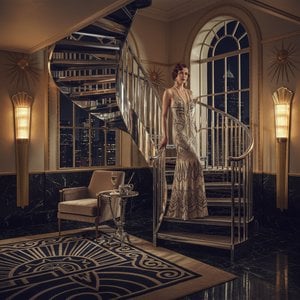
Discover the allure of Art Deco style with our expert guide to luxury interiors. Explore iconic influences from Erté to Jean Dunand and learn to curate a sophisticated space filled with timeless glamour and geometric elegance.
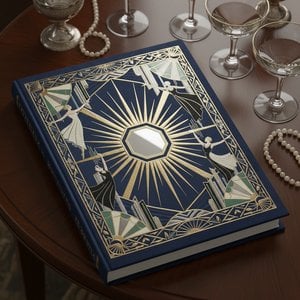
Discover the allure of Art Deco through a curated guide to its most iconic masterpieces. Explore the elegance of Erté and the innovation of Jean Dunand, perfect for collectors seeking timeless glamour and sophisticated design inspiration.

Discover the unparalleled elegance of Art Deco through the lens of Erté. Explore a masterclass in linear precision, theatrical costume design, and high-fashion illustration that continues to define modern luxury and sophisticated interior aesthetics.

 設置イメージを確認
 送る
送る シェア
シェア
 詳細情報
詳細情報 ガイドを表示

 画像をダウンロード
 似ている作品
 X線調査
X線調査 スライドショー
 統計情報
統計情報
 続きを読む
続きを読む






































 ガラスオプションは、110cm未満のサイズでのみご利用いただけます。


