
x


 Graphite PencilNihonga
 19th Century
 28.0 x 36.0 cm
 National Museums Liverpool
迅速な制作と多彩な仕上げオプションを備えた、ミュージアムクオリティのジークレーまたはキャンバスプリント。 ( 手描きの絵画を購入 画像を購入)





























作品のオリジナル比率に合わせた、当店の規定サイズからお選びください。

特定のフレームやスペースに合わせて、ご自身でサイズを指定することも可能です。選択されたサイズが元の画像の比率と一致しない場合、作品をトリミングするか、鏡面反射または単色での塗りつぶしによって画像を拡張いたします。制作を開始する前に、ご確認用のデジタルモックアップをお送りいたします。
画面上のプレビューには、実際のトリミングや拡張は反映されませんのでご注意ください。最終的な構図を正確に確認できるのは、モックアップのみとなります。
カスタムサイズも承っておりますが、元の比率を維持するためには、あらかじめ用意されたリストからサイズを選択することをお勧めいたします。

Preparatory sketch
複製画のサイズ
In the quiet, focused moments before a masterpiece is realized, there exists a profound intimacy found only in the preparatory sketch. This graphite study by the esteemed Japanese master Taki Katei offers a rare glimpse into that sacred stage of creation. The artwork presents a meticulously rendered vase, captured with a technical precision that speaks to the artist's disciplined hand and observant eye. Rather than a finished, polished object, we are invited to witness the skeletal beauty of an idea taking shape. The monochromatic palette, composed of delicate grays against a warm, light beige ground, strips away the distraction of color to reveal the pure essence of form, volume, and structural integrity.
The composition is centered and commanding, yet it possesses a lightness that prevents it from feeling static. Through a masterful use of fine lines, hatching, and cross-hatching, Katei breathes life into the inanimate ceramic surface. Every curve of the vase's handle and every geometric flourish along its rim is articulated with such clarity that one can almost feel the weight and texture of the intended object. This technique does more than just define shape; it creates a subtle play of light and shadow that suggests depth and dimension, transforming a flat piece of paper into a window onto a three-dimensional reality.
To understand this sketch, one must consider the historical landscape inhabited by Taki Katei. Living through the transformative transition from the late Tokugawa period to the Meiji era, Katei stood at the crossroads of Japan's cultural evolution. While he is celebrated for his contributions to the Nihonga style—noted for its use of mineral pigments and organic materials—this particular graphite study reveals a different facet of his mastery. It showcases a rigorous, almost scientific approach to observation that mirrors the burgeoning influence of Western-style realism, or Yōga, which was beginning to permeate Japanese artistic circles during his lifetime.
There is a quiet, meditative quality to this work that makes it an exceptional choice for the discerning collector or interior designer. It does not demand attention through loud colors or dramatic gestures; instead, it commands respect through its understated elegance and intellectual depth. For those looking to curate a space of sophistication and calm, such a piece serves as a perfect focal point—a sophisticated nod to the beauty of process and the enduring allure of classical craftsmanship. Whether placed in a contemporary gallery setting or a traditional study, this preparatory sketch brings with it an aura of timelessness and a profound respect for the foundational elements of art.


1830 - 1901 , 日本

Explore the profound artistry of graphite drawing. Discover professional techniques for mastering depth, texture, and detail through a lens of art history, from classical sketches to modern masterpieces. Elevate your understanding of the pencil medium with our expert guide.

Discover the sophisticated mastery of graphite drawing. Explore expert techniques for achieving profound depth, intricate texture, and hyper-realistic detail through the alchemy of carbon, curated for the discerning art enthusiast and professional collector.
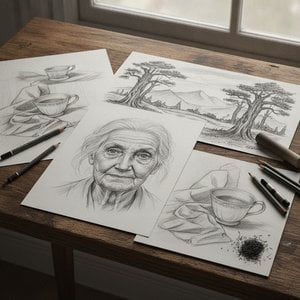
Explore the profound elegance of pencil and charcoal sketching. Discover how masters use line, shadow, and chiaroscuro to capture light and texture, bridging the gap between preparatory studies and timeless fine art masterpieces.

Explore the profound beauty of the sketch. Discover how masters use charcoal and graphite to capture raw emotion, anatomical precision, and fluid movement, bridging the gap between ephemeral marks and eternal oil masterpieces.


最新の美術ニュース、限定オファー、そしてインテリアのアイデアをいち早くお届けします。
お客様のプロジェクトについてお聞かせください。当社の美術専門家が、お客様に合わせた3つのパーソナライズされた芸術提案をご提供いたします。
あなたにぴったりの3作品を無料で厳選いたします


 プレビュー
プレビュー
 シェアする
シェアする シェアする
シェアする
 詳細を見る
詳細を見る

 ダウンロード
 似ている作品
 X線調査
X線調査 スライドショー
 詳細を見る
詳細を見る









 ガラスオプションは、110cm未満のサイズでのみご利用いただけます。


