

 Oil On PanelGothic art
 1333
1333 63.0 x 41.0 cm
 国立博物館群
オンラインプレビューをはるかに凌ぐ、高解像度で鮮明なデジタル画像をご購入いただけます。
各ファイルは、社内の専門家が高度なツールと熟練した手作業によるレタッチを駆使し、細心の注意を払って仕上げています。すべての画像において、卓越した鮮明度、正確な色彩再現性、そして繊細なディテールをお約束いたします。
最終ファイルは、プロフェッショナルな編集・印刷環境ですぐにご利用いただけるよう最適化された状態で、72時間以内にメールにてお届けいたします。これは、一流のデザインスタジオ、出版社、ギャラリーから信頼されているものと同等の品質です。
個人での鑑賞、印刷、クリエイティブなプロジェクトにご利用いただける高解像度ファイルをダウンロードできます。 ( プリント版に切り替え 手描きの複製画を注文する)
WahooArt.com を選ぶことは、単に画像を手に入れることではありません。プロの手によって精密に仕上げられ、満足保証が付いた高品質なデジタルアートワークを受け取ることを意味します。ご注文いただいた際に自動的に付随する内容は、以下の通りです:
ご注文から72時間以内に、高解像度のデジタル画像ファイルをメールでお送りいたします。お手元に届き次第、すぐにご利用いただけます。
お客様の作品は、高度なAI技術と専門家による手作業を組み合わせてプロフェッショナルに最適化されており、細部のディテール、鮮明さ、そして正確な色再現性を最大限に引き出しています。
ファイルを誤って削除したり、紛失してしまったりしましたか?ご安心ください。いつでも無料で再送いたします。
関税や手数料、配送料を気にすることなく、お気に入りのアートワークをすぐにお楽しみいただけます。デジタルダウンロードは常に免税です。
プロ仕様のツールとカラーマネジメント技術を用いることで、デジタル画像が元の色を最大限に忠実に再現することを保証いたします。
ご購入いただいたデジタル画像にご満足いただけない場合は、100日以内であれば、理由を問わず修正または100%の返金対応をさせていただきます。
ご満足いただけない場合は、デジタルファイルを受け取ってから100日以内であれば、理由を問わず全額返金いたします。
3枚購入で10%OFF、5枚購入で15%OFF、10枚以上のご購入で20%OFF。クリエイティブなプロジェクトやギャラリー、エージェンシーに最適です。
Within the hallowed halls of Berlin’s Staatliche Museen resides a poignant testament to 14th-century Italian piety – Taddeo Gaddi’s “Triptych (interior).” Crafted around 1333, this intimate work offers a window into the fervent religious landscape of Florence during a period of artistic transition. More than just a devotional object, it's a masterful display of Gaddi’s skill as Giotto’s most celebrated pupil, showcasing his ability to blend the innovative naturalism of his mentor with the lingering grace of Gothic tradition. The triptych, measuring 63 x 41 cm for the central panel and smaller dimensions for each wing, is rendered in poplar wood, a common material for Florentine panels of the era, and its preservation allows us to connect directly with the artistic sensibilities of a bygone age.
Upon opening this hinged masterpiece, one is immediately drawn into a world of quiet contemplation. The central panel depicts the Virgin Mary enthroned, cradling the Christ Child amidst a gathering of apostles and prophets. This iconic image, a cornerstone of Christian iconography, radiates serenity and maternal tenderness. Flanking this central scene are two smaller panels that narrate key moments in Mary’s life. The left wing portrays an early Nativity scene, imbued with a gentle warmth and human connection. Above it, we see Saint Nicholas freeing Adeodatus from slavery – a story of divine intervention and compassion. The right wing presents a depiction of the Crucifixion, underscored by another episode featuring Saint Nicholas restoring Adeodatus to his parents. This pairing of events—the sacrifice of Christ alongside acts of selfless kindness—highlights the interconnectedness of faith, suffering, and redemption within the medieval worldview.
Taddeo Gaddi’s style in this triptych is a fascinating blend of influences. While clearly indebted to Giotto’s revolutionary approach to depicting human figures with greater realism and emotional depth, Gaddi retains certain characteristics of the late Gothic period. Observe the elongated proportions of the figures, the elegant drapery folds, and the stylized architectural backgrounds—all hallmarks of the preceding artistic style. However, Gaddi's use of light and shadow is more nuanced than earlier Gothic works, hinting at the emerging Renaissance interest in creating a sense of three-dimensionality. The details are meticulously rendered; from the intricate patterns on Mary’s robes to the expressive faces of the apostles, each element contributes to the overall narrative power of the piece. The use of color, while restrained by medieval conventions, is nonetheless effective in conveying mood and highlighting key figures.
Beyond its aesthetic qualities, the “Triptych (interior)” is rich in symbolic meaning. The triptych format itself—three panels hinged together—was a popular choice for devotional art during this period, allowing viewers to open and close the work as a form of prayer or meditation. The inclusion of Saint Nicholas reinforces themes of charity and divine grace. Mary’s central position underscores her pivotal role in Christian theology. The overall effect is one of profound reverence and spiritual contemplation—a tangible expression of faith intended to inspire devotion in its viewers. This wasn't merely an artistic creation; it was a tool for fostering piety, a visual sermon designed to deepen the connection between the individual and the divine.
Taddeo Gaddi作「Triptych (interior)」は、明部と暗部の間にBoldなコントラストを描き出しています。
「Triptych (interior)」はAccentに最適で、Living Roomへの飾るのがおすすめです。
「Triptych (interior)」は、Gothic artの作品です。この様式は、その作品が属する芸術的伝統を示しています。

中世から初期ルネサンスへと移り変わる、14世紀フィレンツェの活気に満ちた胎動の中で、タデオ・ガッディは光と物語、そして建築的な壮大さを操る巨匠としてその姿を現しました。伝説的なジョット・ディ・ボンドネの最も優れた弟子の一人として、ガッディは単に師の様式を受け継いだだけではありません。彼は、その時代の視覚的語彙を拡張させたのです。彼の作品は、ジョット的な自然主義が持つ記念碑的な重厚さを、装飾的な複雑さと光り輝く物語性という新たな領域へと運ぶ、極めて重要な架け橋としての役割を果たしています。ガッdoの足跡を辿ることは、ビザンチン様式の厳格な階層構造が、人間の感情と空間的な奥行きの影響を受けて解きほぐされていく、フィレンツェ絵画の進化の過程を目撃することに他なりません。
ガッディの芸術性の礎は、ジョットの工房に深く根ざしていました。そこで彼は、キアロスクーロ(明暗法)の深遠な重要性と、人物に肉体的な実在感を与える技法を学びました。しかし、ガッディは師よりも装飾的で細密なアプローチへと向かう、天賦の性質を備えていました。ジョットが人間性の剥き出しの彫刻的な本質に焦点を当てたのに対し、ガッディは繊細な優雅さと洗練された光の使い手となり、平面を神々しい輝きに満ちた窓へと変貌させたのです。この独自の融合により、彼は大規模なフレスコ画連作において比類なき才能を発揮しました。そこでは、聖なるものと触知可能なものが共存する建築的空間の中に、複雑な神学的物語を構築する卓越した能力が示されています。
ガッディが美術史に残した最も不朽の功績は、フィレンツェのサンタ・クローチェ教会にある壮麗なバロンチェッリ礼拝堂のフレスコ画連作に見られます。これらの作品において、彼は息を呑むような物語の連続性を実現し、リズム感のある優雅さで鑑賞者を聖人たちの生涯へと導きました。その技法は、色彩と光を緻密に重ね合わせるものであり、しばしば金彩や豊かな顔料を用いることで、神聖な天上の雰囲気を呼び起こしました。聖フランチェス科の生涯の一場面などの作品には、彼の卓越した手腕が顕著に表れており、芸術家は深い精神的な親密さが宿る瞬間を捉えています。これらの描写を通じて、ガッディは単に物語を語るだけでなく、鳥や風景、そして人間が神聖な均衡状態の中で共存する、没入感あふれる世界を創り出しているのです。
その宗教的な献身を超えて、ガッディの作品には以下のような決定的な芸術的要素が刻まれています:
タデオ・ガッディの歴史的重要性が、守護者であり、かつ革新者であったという点にあります。彼はジョット的な伝統が持つ記念碑的な威厳を保ちつつ、同時に後期ゴシック様式の特徴となる装飾的な豊かさをそこに吹き込みました。彼の影はフィレンツェの礼拝堂の壁を越えて広く広がり、後世の画家たちが空間と光という概念にどのように向き合うかに多大な影響を与えました。訓練によって培われた構造的な堅実さと、新しく叙情的な感性を融合させることで、ガッディはルネサンスが満開を迎えるための芸術的土壌を整えたのです。
彼の全作品を振り返るとき、私たちは自らの時代の精神的・市民的な鼓動に深く共鳴した芸術家の姿を見出します。高まる自然主義のレンズを通して聖なるものを描き出すその能力により、彼の作品は単なる崇拝の対象としてだけでなく、技術的達成の極致としての傑作であり続けました。タデオ・ガッディはイタリア美術史の礎であり、中世の世界が、新たな人間中心の時代の光へと目を向け始めたまさにその瞬間を、筆致によって捉えた画家なのです。
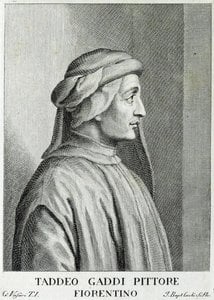
1290 - 1366 , イタリア

 設置イメージを確認
 送る
送る シェア
シェア
 詳細情報
詳細情報 ガイドを表示

 画像をダウンロード
 似ている作品
 X線調査
X線調査 スライドショー
 統計情報
統計情報 続きを読む
続きを読む


