
アート相談を無料で

x
プリントを購入 プリントを購入画像を 購入する 画像を 購入する シェアするシェアする
詳細を見る詳細を見る お気に入りに追加 お気に入りに追加 ダウンロードダウンロード 似ている作品似ている作品 X線X線 スライドショースライドショー

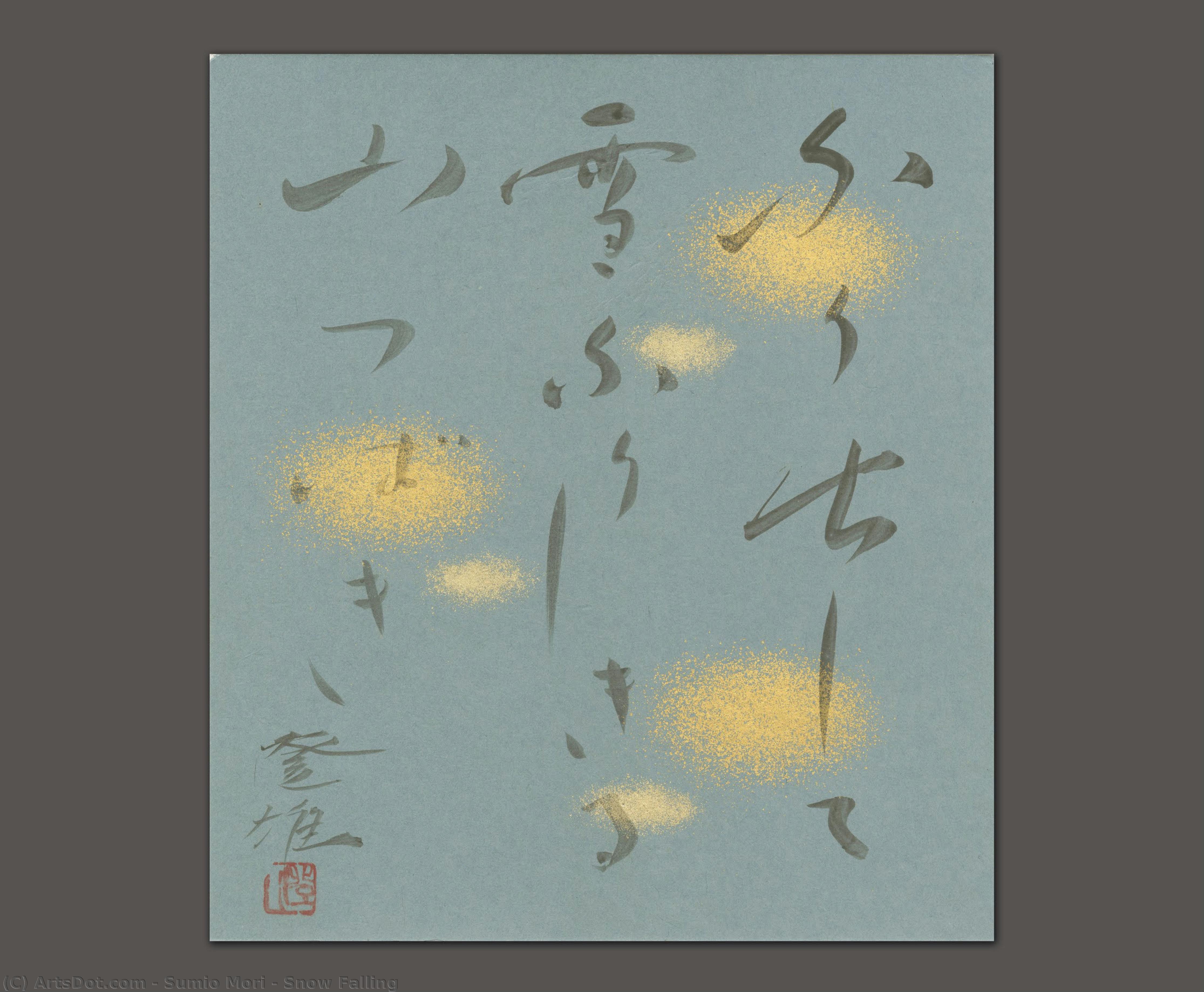
Snow Falling

Japanese haiku poet Sumio Mori (1919-2010) captured nature's beauty in evocative imagery. Known for his haikai tradition, he received prestigious awards & created works like 'Snow Falling'.

手描き油彩複製画

当社のアーティストが、お客様のご希望のサイズと額縁に合わせて、キャンバスに手描きで制作する油彩画です。

Standard
custom
CM
INCH

作品のオリジナル比率に合わせた、当店の規定サイズからお選びください。

高さ

特定のフレームやスペースに合わせて、ご希望のサイズをご入力いただけます。選択されたサイズが元の画像の比率と異なる場合、アートワークをトリミングするか、手描きで要素を追加して絵画を拡張いたします。デジタルモックアップ を制作し、制作開始前にご確認(承認)をいただきます。
画面上のプレビューは、実際のトリミングや拡張を正確に反映しているものではありません。最終的な構図は、モックアップによってのみ正確にご確認いただけます。
カスタムサイズもご利用いただけますが、元の比率を維持するためには、あらかじめ用意されたリストからサイズを選択することをお勧めいたします。

カスタマイズの例:顔をお客様の写真に置き換える、ペットを追加する(例:猫を犬に変更)、背景に隠れたメッセージを入れる、背景の風景や要素を変更するなど。
ご注文後、WahooArt.com チームより詳細な指示をお送りするとともに、仕上がりイメージ(モックアップ)をご提供いたします。

世界中への配送()は、通常の5週間ではなく、3〜4週間でお届けいたします。(7 7月)。品質には一切妥協いたしません。

why_choose_icon
世界中へ無料エクスプレス配送
why_choose_icon
高品質なリネンキャンバス
why_choose_icon
配送時完全保険付
why_choose_icon
関税・輸入税の払い戻し保証
why_choose_icon
忠実な色彩再現保証
why_choose_icon
60日間返品保証(製造上の欠陥のみ)
why_choose_icon
100% 全額返金保証
why_choose_icon
まとめ買い割引のご案内

合計金額

-

reproduction

Snow Falling

複製技法

複製画のサイズ

-

合計金額

-

関連作品


アーティストの略歴

A Life Etched in Haiku: The Poetic World of Sumio Mori

Sumio Mori, born in Nagasaki, Japan, in 1919, was a figure whose life became inextricably linked with the delicate art of haiku. Though his early years saw a relocation to Himeji, the coastal beauty of Nagasaki remained a foundational influence, subtly shaping the imagery and sensibility that would define his poetic voice. Mori wasn’t merely a practitioner of this traditional form; he was a revitalizer, deeply invested in preserving the spirit of pre-modern *haikai* while simultaneously forging a path for contemporary expression. His journey reflects a profound engagement with nature, a quiet introspection on the passage of time, and an unwavering dedication to capturing fleeting moments of beauty within the concise structure of seventeen syllables.

The Haikai Tradition and Early Development

Mori’s artistic lineage is rooted in the *haikai* tradition—a more playful, often humorous precursor to haiku that flourished during the Edo period. This early exposure instilled in him a respect for the form's historical depth and its capacity for both profound observation and subtle wit. His father, Sadatake Mori (writing under the pen name Fuyuhiko), was himself a haiku poet connected with the influential *Hototogisu* magazine, providing a crucial initial mentorship. This familial influence nurtured Mori’s nascent talent, encouraging him to explore the natural world as a source of poetic inspiration. He began composing haiku at a young age, absorbing the rhythms and conventions of the form while developing his own unique perspective. His formal education at Kyushu University likely broadened his intellectual horizons, but it was the immersive experience of Nagasaki's port city environment—a blend of maritime culture and seasonal shifts—that truly ignited his poetic sensibility.

A Voice for Nature: Themes and Style

Mori’s haiku are characterized by a remarkable clarity and evocative power. He eschewed grand pronouncements or overt emotional displays, instead focusing on the precise depiction of natural phenomena. A riverbed of rocks, a single white peach peeled in sunlight, the quiet passing of water—these seemingly simple observations become portals to deeper contemplation. His work often centers around *kigo*, seasonal words that anchor the poem within a specific time and place, creating a sense of immediacy and connection to the cyclical rhythms of nature. He wasn’t simply recording what he saw; he was attempting to distill the essence of an experience, capturing its fleeting beauty before it vanished. This dedication to observation and precision earned him recognition as one of Japan's leading haiku practitioners in the mid-20th century.

Recognition and Legacy: Awards and Influence

Sumio Mori’s contributions to the world of haiku were widely acknowledged during his lifetime, culminating in prestigious awards that solidified his position within the literary landscape. He received the Yomiuri Prize for Poetry in 1977 for his collection *Riso*, a testament to the enduring quality and artistic merit of his work. Further recognition came with the Dakotsu Prize in 1987, honoring his profound impact on haiku artistry. Beyond these accolades, Mori’s influence extended through his role as editor of the influential haiku journal *Kanrai* (Cold Thunder) from 1957 to 1971. As editor, he championed both pre-modern traditions and emerging voices, fostering a vibrant community of poets and shaping the direction of contemporary haiku literature. He was also honored as a Person of Cultural Merit, acknowledging his significant contributions to Japanese arts and culture.

Historical Significance: A Bridge Between Tradition and Modernity

Sumio Mori’s legacy lies in his ability to bridge the gap between tradition and modernity within the art of haiku. He didn't simply replicate the forms of the past; he infused them with a contemporary sensibility, creating works that resonated with both seasoned practitioners and new audiences. His dedication to *haikai* traditions ensured the preservation of this vital aspect of Japanese poetic heritage, while his emphasis on personal introspection and evocative imagery broadened the scope of haiku expression. Mori’s poetry continues to inspire global haiku communities through its depth, fidelity to seasonal observation, and quiet beauty—a testament to the enduring power of seventeen syllables to capture the essence of a fleeting moment in time. He passed away in Tokyo in 2010, leaving behind a body of work that stands as a profound meditation on nature, time, and the human experience.
sumio mori

sumio mori

1919 - 2010 , Japan

基本情報

  • Artistic Movement Or Style: Haiku poetry
  • Date Of Birth: 1919
  • Date Of Death: 2010
  • Full Name: Sumio Mori
  • Nationality: Japanese
  • Notable Artworks: ['Snow Falling']
  • Place Of Birth: Nagasaki, Japan





































