

 Gothic Revival
 1435
1435 124.0 x 172.0 cm
 ウォールラフ・リヒャルトス美術館
スピーディーな制作と多彩な仕上げオプションが魅力の、ミュージアムクオリティなジークレー・キャンバスプリント。 ( 手描きの複製画を注文する デジタル画像販売へ切り替え)





























作品のオリジナル比率に合わせた、当店の規定サイズからお選びください。

特定のフレームやスペースに合わせて、ご自身でサイズを指定することも可能です。選択されたサイズが元の画像の比率と一致しない場合、作品をトリミングするか、鏡面反射または単色での塗りつぶしによって画像を拡張いたします。制作を開始する前に、ご確認用のデジタルモックアップをお送りいたします。
画面上のプレビューには、実際のトリミングや拡張は反映されませんのでご注意ください。最終的な構図を正確に確認できるのは、モックアップのみとなります。
カスタムサイズも承っておりますが、元の比率を維持するためには、あらかじめ用意されたリストからサイズを選択することをお勧めいたします。
The Last Judgment
複製画サイズ一覧
Stephan Lochner’s “The Last Judgment,” painted in 1435, isn't merely a depiction of biblical narrative; it’s a profound meditation on mortality, divine justice, and the eternal consequences of earthly actions. Emerging from the late Gothic period in Cologne, Germany, this monumental panel transcends its historical context to resonate with an enduring power—a testament to the artist’s skill and his ability to capture both the drama and the solemnity of humanity's final reckoning. The painting, currently housed within the Wallraf-Richartz-Museum, is a vibrant tapestry woven from earthly tones and celestial light, inviting viewers into a world where faith and fate collide.
Lochner’s genius lies in his masterful synthesis of influences. He seamlessly blends the opulent detail characteristic of International Gothic art—noticeable in the intricate drapery, the meticulously rendered faces, and the sheer abundance of figures—with the burgeoning realism and symbolic innovation that would soon define the Northern Renaissance. This fusion creates a work that is both richly ornamented and surprisingly direct, communicating complex theological ideas with an immediacy rarely seen in contemporary religious art. The influence of artists like Master Of San Torpé is evident in the composition’s balance and the use of color, while the echoes of earlier works, such as those found in the Cologne Cathedral, demonstrate Lochner's deep understanding of established artistic traditions.
At the heart of the painting stands Jesus Christ, radiating an almost ethereal light—a visual representation of his divine authority. He’s not depicted in a triumphant or martial pose, but rather with a quiet dignity, holding a book and a cross, symbols that immediately anchor the scene within Christian iconography. To his left, Mary Magdalene is rendered with remarkable tenderness, her long hair flowing freely as she holds a jar—a detail often interpreted as representing her role as a receptacle for divine grace. On the right, St. John the Baptist stands tall and resolute, clutching a lamb – a potent symbol of innocence and sacrifice. The background is dominated by a castle-like structure, possibly an idealized representation of heaven or a symbolic gateway to the afterlife, adding depth and grandeur to the composition.
The arrangement of figures isn’t random; it's carefully orchestrated to convey a sense of movement and drama. Angels ascend towards the heavens, their wings spread wide in a swirling vortex, while below, souls are being judged—some ascending to eternal bliss, others descending into darkness. The sheer number of figures – over 300 – creates an overwhelming sense of scale, emphasizing the vastness of human history and the ultimate significance of each individual’s actions.
Beyond its narrative content, “The Last Judgment” is rich in symbolism. The use of color—earth tones contrasted with vibrant blues and reds—evokes a sense of both earthly reality and divine transcendence. The recurring motifs – the cross, the book, the lamb, the jar – are all deeply rooted in Christian theology, reinforcing the painting’s central message about salvation and damnation. The inclusion of specific details, such as Mary Magdalene's flowing hair and St. John the Baptist's lamb, adds layers of meaning and invites viewers to contemplate the individual stories behind each figure.
More than just a historical artifact, “The Last Judgment” continues to evoke a powerful emotional response. The painting’s scale, its dramatic composition, and its profound themes about life, death, and judgment combine to create an experience that is both awe-inspiring and unsettling. It serves as a potent reminder of our own mortality and the importance of living a virtuous life.
Painted in oil on oak panel in 1435, “The Last Judgment” measures 124 x 172 cm. Stephan Lochner’s technical skill is evident in every detail—from the intricate folds of the drapery to the subtle gradations of color. The painting demonstrates a mastery of perspective and spatial relationships, creating a sense of depth and realism that was groundbreaking for its time. Lochner's work reflects the artistic trends of his era, particularly the influence of the International Gothic style, but also foreshadows the innovations of the Northern Renaissance. His brief career, tragically cut short in 1451, left behind a legacy of remarkable beauty and enduring significance.
「The Last Judgment」は、Dramaticな雰囲気を纏っています。
シュテファン・ロッホナー作「The Last Judgment」の色調は、Subtle Colorな彩度を持っています。彩度とは、色の鮮やかさや落ち着きの度合いを表すものです。
シュテファン・ロッホナー作「The Last Judgment」には、ガイドページをご用意しています。これは、学生や教室での学習用に設計された、印刷可能な作品解説シートです。
「The Last Judgment」には、専用の統計情報ページがあります。このページでは、その作品およびアーティストの他の作品の月間訪問者数を、国別・言語別の内訳とともにグラフで表示しています。
ウォールラフ・リヒャルトス美術館に所蔵されているシュテファン・ロッホナー作「The Last Judgment」は、パブリックドメイン(著作権消滅)です。このステータスにより、画像の複製が可能かどうかが決まります。
「The Last Judgment」はリネンキャンバスに手描きされた油彩複製画としてご購入いただけます。サイズをお選びの上、このページよりご注文いただけます。
シュテファン・ロッホナーの作品群において、「The Last Judgment」はGothic Revival様式に属しており、international gothic, northern renaissance, medieval christian iconography, symbolism, religious judgment, salvation, damnation, cologne cathedralというテーマを共有しています。
「The Last Judgment」のスライドショーは、作品のスライドショーページでご覧いただけます。

1410年頃、ドイツの美しい街メーアブルクに生を受けたシュテファン・ロホネル。伝説が息づき、壮大なコンスタンツ湖のほとりに佇むこの地で育まれた彼の生涯は、1451年、ケルンにおいてあまりにも早すぎる終焉を迎えました。しかし、その短い画業にもかかわらず、この謎に満ちた画家は美術史に消えることのない足跡を残しました。彼は「インターナショナル・ゴシック」の豪華絢爛な伝統と、初期北Renaissance(北方ルネサンス)の特徴である芽生え始めた写実主義や革新的な図像学を、見事な手腕で融合させたのです。ロホネルの遺産は、個々の作品が放つ美しさにとどまりません。後世の巨匠たち、とりわけロヒール・ファン・デル・ウェイデンやハンス・メンクといった、彼の独特な様式を継承していった画家たちに与えた深い影響の中にこそ、その真価が宿っています。
ロホネルの幼少期については、確かな史実は多く残されていません。しかし、美術史学的な見地からは、彼が形成期の一部を低地地方(ネーデルラント)での修行に費やしたことが示唆されています。この経験こそが、彼の芸術的感性を決定づけたのです。フランドル絵画に特有の鮮やかな色彩、緻力な細部描写、そして進化し続ける図像学に触れたことは、構図やパレット、さらには宗教的人物へのアプローチに疑いようのない影響を与えました。この国際的な経験こそが、彼の全作品に見られる独自の様式の融合を生み出した鍵であったと考えられています。
ロホネルの絵画は、一目でそれと分かるほど強烈な色彩の使用、躍動感あふれる流麗な線、そして驚くほど技巧的な表面の質感によって、見る者の心を捉えて離しません。彼は初期ゴシック様式にしばしば見られる控えめな色調を避け、より明るく光り輝くようなパレットを採用しました。この特徴は、台頭しつつあったルネサンスの美学と彼を強く結びつけています。彼の作品には、豊かな赤、青、そして金が頻繁に用いられ、光と影に対する卓越した理解に基づいた筆致によって、深い奥行きとドラマチックな情熱が描き出されています。
彼の最も名高い傑作の一つに、「薔薇の茂みの聖母」(51 x 40 cm、ケルン・ヴァルラフ=リヒャルツ美術館蔵)があります。この作品は、ロホネルの技術的な熟練度と表現力の極致を示すものです。宗教的な主題に、まるで肌で感じられるかのような感情と精神性を吹き込む彼の能力が、見事に体現されています。また、「書斎の聖ヒエロニムス」(30 x 模39 cm、パネルに油彩)では、対象の本質を捉える力が示されており、驚くべき細部描写と心理的な洞察によって、静かな瞑想の時間が描き出されています。さらに、優雅さと気品に満ちた複雑な構成を持つ「三人の聖人」は、単一の画面の中に複数の人物を描き出し、ダイナミックで魅力的な視覚的物語を構築する彼の卓越した技量を際立たせています。
もう一つの重要な作品は、もともとケルン大聖堂のために制作された「ドームビルト祭壇画(ケルン大聖堂祭壇画)」です。現在は大聖堂内のマリア礼拝堂に安置されているこの記念碑的な三連祭壇画は、彼の芸術の最も重要な例の一つであり、その芸術的ヴィジョンの証として今なお輝きを放っています。緻密なディテール、鮮やかな色彩、そして象徴的なイメージは、時代を超えて観る者を魅了し続けています。
北方の次世代の芸術家たちに対するシュテファン・ロホネルの影響は、極めて甚大なものでした。流れるような線、輝かしい色彩、そして感情表現への集中を特徴とする彼の独特なスタイルは、同時代の画家たちの心に深く響き、彼らの作品の中にロホネルの手法を取り入れるインスピレーションを与えました。特にロヒール・ファン・デル・ウェイデンは、ロホネルの色彩感覚と構図から深い影響を受けたと考えられており、ハンス・メンクもまた、自身の信心深いパネル画において彼の様式の側面を継承しました。
「ドームビルト祭壇画」は、ロホネルの影響を示すとりわけ説得力のある例です。ゴシックの優雅さと、芽生えつつあったルネサンスの写実主義を融合させたその革新的な宗教物語の描き方は、後の北欧絵画の発展への道を切り拓きました。祭壇画の複雑な細部と象徴的な図像は、後に続く無数の芸術家たちの手本となり、後期ゴシックから初期ルネサンスへと移行する過渡期における極めて重要な人物としてのロホネルの地位を不動のものとしたのです。
ロホネルの作品は、世界中の著名な美術館で大切に保管されています。ケルンのヴァルラフ=リヒャルツ美術館には「薔薇の茂みの聖母」が収蔵されており、訪れる人々はこの象徴的な絵画と直接対峙することができます。フランクフルトのシュテーデル美術館では、「フレマールのパネル」(68 x 160 cm、オーク材)が展示されており、パネル画におけるロホネルの習熟度と、細部と象徴性に満ちた複雑な構図を生み出す能力を目の当たりにすることができます。これらの主要な機関以外にも、彼の作品の断片は様々なコレクションに見出され、その芸術的遺産が世界中の美術愛好家によって称賛され続けることを確かなものにしています。
今日、シュテファン・ロホネルの絵画は、その美しさ、技術的な卓越性、そして深い感情的な共鳴によって高く評価されています。インターナショナル・ゴシックの伝統と初期北ルネサンスの革新を、継ぎ目なく融合させた彼の能力は、彼を真に類まれな芸術家として決定づけました。二つの異なる芸術時代を繋ぎ、美術界に永遠の遺産を残した巨匠として、その名は今もなお輝き続けています。

1410 - 1451 , ドイツ

Embark on a scholarly journey through the sacred beauty of High Medieval art. Discover the profound symbolism, luminous iconography, and spiritual depth of Gothic masterpieces in this expert guide for classical art enthusiasts.

Explore the exquisite elegance of Late Gothic art. Discover how masters like Carlo Crivelli and Stefan Lochner blended intricate detail and religious devotion to bridge the Middle Ages and the Renaissance in this expert art history guide for true connoisseurs.

Embark on a scholarly journey through the spiritual grandeur of Late Medieval art. Discover the intricate symbolism, technical mastery, and profound religious narratives that define the Gothic era in this expert-led guide for art enthusiasts and collectors.
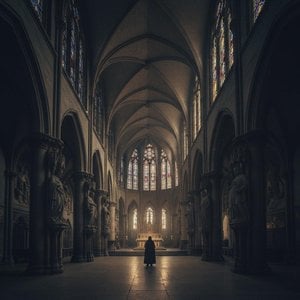
Embark on a journey through the dramatic era of Gothic art. Discover the profound beauty of illuminated manuscripts, sacred gold leaf masterpieces, and the transition to naturalism in this expert-led exploration of medieval artistry and historical grandeur.

 設置イメージを確認
 送る
送る シェア
シェア
 詳細情報
詳細情報 ガイドを表示

 画像をダウンロード
 似ている作品
 X線調査
X線調査 スライドショー
 統計情報
統計情報 続きを読む
続きを読む









 ガラスオプションは、110cm未満のサイズでのみご利用いただけます。


