
当社のアーティストが、お客様のご希望のサイズと額縁に合わせて、キャンバスに手描きで制作する油彩画です。 ( プリント版に切り替え デジタル画像販売へ切り替え)





























作品のオリジナル比率に合わせた、当店の規定サイズからお選びください。

特定のフレームやスペースに合わせて、ご希望のサイズをご入力いただけます。選択されたサイズが元の画像の比率と異なる場合、アートワークをトリミングするか、手描きで要素を追加して絵画を拡張いたします。デジタルモックアップ を制作し、制作開始前にご確認(承認)をいただきます。
画面上のプレビューは、実際のトリミングや拡張を正確に反映しているものではありません。最終的な構図は、モックアップによってのみ正確にご確認いただけます。
カスタムサイズもご利用いただけますが、元の比率を維持するためには、あらかじめ用意されたリストからサイズを選択することをお勧めいたします。

Richmond Park
複製画のサイズ
Richmond Park, painted in 1914 by Spencer Frederick Gore, offers a poignant glimpse into the heart of British landscape painting at the dawn of the 20th century. This evocative work captures the serene beauty of Richmond Park, not as a dramatic vista but rather through a meticulous observation of light and texture – a hallmark of the Camden Town Group to which Gore belonged. The scene unfolds with a quiet intensity; trees dominate the composition, their foliage rendered in rich autumnal hues that suggest both the vibrancy of life and the melancholic acceptance of decline. Gore’s skill lies not just in depicting the physical form of the park but also in conveying an atmosphere of profound stillness, inviting the viewer to share in its contemplative mood.
Gore's work is inextricably linked to the rise of Camden Town, a collective of artists who sought to break away from the academic traditions of the Royal Academy. Influenced by Post-Impressionists like Monet and Van Gogh, Gore embraced bold color palettes and an emphasis on capturing fleeting moments of light – techniques that would profoundly shape British art in the early 20th century. The painting’s brushwork is loose yet controlled, creating a sense of depth and movement within the trees while simultaneously emphasizing their individual forms. This approach reflects a desire to represent not just what was seen but also how it *felt*—a core tenet of the Camden Town Group's artistic philosophy.
Executed in oil on canvas, Richmond Park demonstrates Gore’s mastery of layering and glazing techniques. The artist built up color gradually, creating a luminous effect that captures the dappled sunlight filtering through the trees. Note the subtle variations in tone – from the deep greens of the shadowed foliage to the brighter yellows and oranges where light catches the leaves. This meticulous attention to detail speaks to Gore’s dedication to realism, albeit one filtered through his own artistic sensibility. The canvas itself contributes to the painting's impact, its texture subtly enhancing the impression of natural surfaces.
Painted in 1914, just months before Gore’s untimely death at the age of 36, the artwork carries a poignant sense of finality. The autumnal theme—the shedding of leaves, the fading light—can be interpreted as a reflection on mortality and the passage of time. Gore's work aligns with a broader cultural fascination with nature during this period, reflecting a desire for escape from the rapid industrialization and social upheaval of Edwardian England. As Robert Upstone notes in the Tate’s research publication, Gore was “a pioneer of Camden Town,” establishing a distinct artistic voice that would influence generations of British artists.
Richmond Park is more than just a landscape painting; it's an invitation to experience tranquility and contemplate the beauty of the natural world. A hand-painted reproduction captures not only the visual details but also the emotional resonance of Gore’s original work, allowing you to bring this timeless scene into your home or office. WahooArt offers meticulously crafted reproductions that faithfully recreate the artist's technique and color palette, ensuring a lasting tribute to this significant piece of British art history.


1878 - 1914

Elevate hospitality interiors with our expert guide on mastering art groupings and multi-panel displays. Discover professional techniques for curating luxurious, layered wall installations that define high-end hotel aesthetics through texture, scale, and bespoke fine art.

Embark on a visual journey through the world's most serene parks. Discover how master artists capture light, texture, and tranquility through exquisite oil paintings and botanical landscapes designed for the discerning art enthusiast.
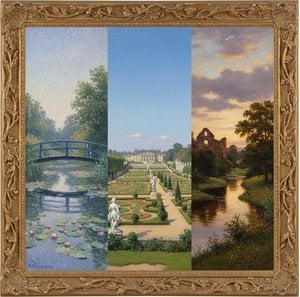
Embark on a visual journey through the serene beauty of gardens and parks in fine art. Discover how master artists capture nature's tranquility through impressionistic blooms and classical landscapes to bring timeless elegance into your home collection.
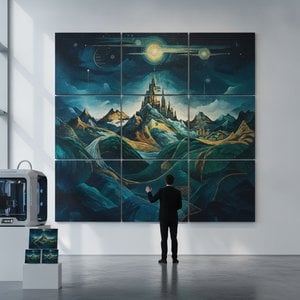
Discover the elegance of custom multi-panel group set art at WahooArt.com. From bespoke layouts to hand-painted oil masterpieces, our expert guide helps elite collectors curate breathtaking, large-scale installations tailored for sophisticated interiors.

Transform your family's history into a timeless masterpiece. WahooArt specializes in luxury, large-scale custom group portrait commissions for 10+ people. Hand-painted by master artists using traditional oil techniques to create an enduring legacy for your home or organization.


 プレビュー
プレビュー
 シェアする
シェアする シェアする
シェアする
 詳細を見る
詳細を見る ガイド
ガイド

 ダウンロード
 似ている作品
 X線調査
X線調査 スライドショー
 統計情報
統計情報


 詳細を見る
詳細を見る









 ガラスオプションは、110cm未満のサイズでのみご利用いただけます。


