
迅速な制作と多彩な仕上げオプションを備えた、ミュージアムクオリティのジークレーまたはキャンバスプリント。 ( 手描きの絵画を購入 デジタル画像販売へ切り替え)





























作品のオリジナル比率に合わせた、当店の規定サイズからお選びください。

特定のフレームやスペースに合わせて、ご自身でサイズを指定することも可能です。選択されたサイズが元の画像の比率と一致しない場合、作品をトリミングするか、鏡面反射または単色での塗りつぶしによって画像を拡張いたします。制作を開始する前に、ご確認用のデジタルモックアップをお送りいたします。
画面上のプレビューには、実際のトリミングや拡張は反映されませんのでご注意ください。最終的な構図を正確に確認できるのは、モックアップのみとなります。
カスタムサイズも承っておりますが、元の比率を維持するためには、あらかじめ用意されたリストからサイズを選択することをお勧めいたします。

Landscape with Yellow Fields
複製画のサイズ
Sir William George Gillies' "Landscape with Yellow Fields" isn’t merely a depiction of a rural scene; it’s a carefully constructed meditation on light, color, and the quiet dignity of the Scottish countryside. Painted around 1934, this work stands as a pivotal moment in Gillies’ artistic evolution, bridging his earlier explorations of Cubism with a deeply rooted appreciation for the evocative beauty of the British Isles. The painting captures a quintessential Highland vista – a rolling expanse of golden fields punctuated by a modest farmhouse and scattered trees, all bathed in the soft, diffused light characteristic of a late afternoon. It's a scene that feels both familiar and profoundly serene, inviting the viewer to step into a timeless moment of rural tranquility.
Gillies’ artistic journey had been shaped by encounters with European masters. His time in Paris with André Lhote exposed him to the principles of Cubism, leading to early works like “Two Pots, Saucer and Fruit,” where objects were fragmented and reassembled into geometric arrangements. However, a transformative encounter with Paul Klee in 1934 ignited a shift towards a more intuitive and emotionally resonant style. Klee’s use of vibrant color and childlike simplicity – his ability to imbue everyday subjects with a sense of wonder – profoundly influenced Gillies, prompting him to embrace bolder hues and a looser, more expressive brushstroke.
What immediately draws the eye is Gillies’ masterful manipulation of color. The dominant yellow of the fields isn't a flat, uniform hue; it’s layered with subtle variations – ochre, amber, and hints of gold – creating an illusion of depth and movement. This rich palette is expertly contrasted against the muted greens and browns of the trees and distant hills, further emphasizing the warmth and luminosity of the foreground. The red roof of the farmhouse acts as a striking focal point, anchoring the composition and adding a touch of domesticity to the vast landscape. Gillies’ use of light isn't photographic realism; it’s an artistic interpretation – a deliberate choice to capture the *feeling* of sunlight filtering through the air.
The technique employed is distinctly Impressionistic, yet infused with Gillies’ unique sensibility. He utilizes short, broken brushstrokes to build up texture and create a sense of atmosphere. These strokes aren't blended smoothly; instead, they retain their individual character, contributing to the painting’s vibrant energy. The layering of color and the visible brushwork invite the viewer to actively engage with the artwork, noticing the subtle shifts in tone and hue as they gaze upon it.
Beyond its aesthetic qualities, “Landscape with Yellow Fields” offers a glimpse into the heart of rural Scottish life. The farmhouse, modest yet sturdy, suggests a connection to the land and a sense of community. The scattered trees hint at the presence of wildlife and the rhythms of nature. Gillies’ paintings frequently depicted scenes from his native Scotland, capturing its distinctive landscapes and portraying the lives of its people with empathy and understanding.
The painting's historical context is also significant. Created during a period of economic hardship in Britain, it reflects a longing for simpler times and a connection to the land – values that resonated deeply with many at the time. Gillies’ work served as a powerful reminder of the beauty and resilience of the Scottish countryside.
Reproductions of “Landscape with Yellow Fields” offer an accessible way to experience the painting's captivating atmosphere. WahooArt meticulously recreates Gillies’ techniques, capturing the nuances of color, texture, and light that make this artwork so compelling. The 55 x 76 cm size is ideal for adding a touch of rustic charm to any interior space – whether it’s a living room, bedroom, or study.
More than just a decorative piece, “Landscape with Yellow Fields” evokes a sense of nostalgia and tranquility. It's an invitation to slow down, appreciate the beauty of nature, and connect with the timeless spirit of rural Scotland. Consider this reproduction not merely as a print, but as a portal – a window into a world of quiet contemplation and artistic brilliance.

1898年、東ロシアン地方のハaddingtonで生まれたウィリアム・ジョージ・ギリーズは、20世紀スコットランド美術を代表する画家の一人として知られています。彼の作品は、初期モダニズムと独特なスコットランドの芸術的アイデンティティとの架け橋となり、その繊細な色彩感覚と風景描写は、多くの人々を魅了し続けています。
ギリーズの芸術への道は、エディンバラ美術大学への入学から始まりました。しかし、第一次世界大戦が勃発すると、彼は王立工兵隊に入隊し、学業は中断せざるを得ませんでした。戦後、彼は再びエディンバラ美術大学に戻り、卒業後は40年以上にわたり同大学で献身的に教鞭を執ることになります。彼の教育者としての側面も、スコットランドの美術界に大きな影響を与えた重要な要素です。
1923年、ギリーズはパリでアンドレ・ロートのもとでキュビズムを学び、さらにイタリアへの旅行を通して芸術的な視野を広げました。初期の作品、「Two Pots, Saucer and Fruit」(1933)などは、セザンヌに影響を受けた構成と、ブラックやピカソのような控えめな色彩パレットが特徴的です。しかし、彼の芸術における転換点は、1934年にポール・クレーの作品に出会ったことでした。クレーの作品は、ギリーズに色彩のより想像力豊かな使い方と、子供のような素朴さを取り入れることを促し、彼の作風に大きな変化をもたらしました。
厳格なキュビズムから徐々に離れるにつれて、ギリーズはスコットランドの風景や静物画の伝統を根底とした独自のスタイルを確立していきました。彼は、ロシアン地方、ファイフ地方、ボーダー地方などのスコットランドの風景を繊細な眼差しで捉え、その本質を描き出しました。
ギリーズは、1922年にウィリアム・クロジエ、ウィリアム・ガイッスラー、ウィリアム・マクタガートらと共に“1922グループ”を設立しました。この展覧会協会は、新進気鋭のスコットランド人アーティストが作品を発表するためのプラットフォームとして、10年間エディンバラのニューギャラリーで活動しました。グループは、スコットランド美術界におけるコミュニティ意識と革新性を育み、新たな才能の発掘に貢献しました。
風景画: ギリーズは、ロシアン地方、ファイフ地方、ボーダー地方のスコットランドの風景を描いた作品で広く知られています。彼は、これらの風景の本質を繊細な眼差しで捉え、その美しさを表現しました。
静物画: 静物画もまた、彼の重要なテーマの一つであり、妹のエマ・スミス・ギリーズが制作した陶器が頻繁に登場します。妹の若すぎる死は、彼に深い影響を与え、その作品にも反映されています。
肖像画: 彼は初期には肖像画も試みましたが、風景画と静物画が彼の主要な主題となりました。特に、妹のエマ・スミス・ギリーズの陶器をモチーフにした静物画は、彼自身の感情や記憶を表現する手段として重要な役割を果たしました。
ギリーズは1959年から1966年までエディンバラ美術大学の校長を務めました。彼の多大な業績と教育への献身は、スコットランドの画家たちに深い影響を与えました。彼は王立アカデミー会員(RA)に選出され、芸術界における重要な地位を確立しました。
ウィリアム・ジョージ・ギリーズは、スコットランドで最も重要な20世紀の画家の一人とされています。彼の作品は、初期モダニズムと独特なスコットランドの芸術的アイデンティティとの架け橋となり、その美しさ、繊細さ、そして永続的な関連性は、今日でも多くの人々を魅了し続けています。
遺産: 彼の影響は、絵画にとどまらず、教育と指導を通してスコットランド美術の方向性を形作りました。1973年に彼は亡くなりましたが、その豊かな作品群は、今もなお称賛され、愛されています。

1898 - 1973 , イギリス
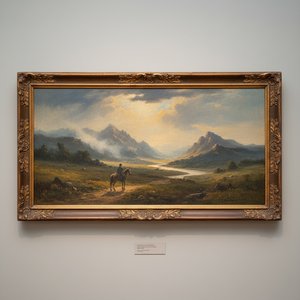
Discover the captivating landscapes of Anthony Vandyke Copley Fielding, a master of Romantic watercolour painting. Explore his life, technique, and legacy with WahooArt – your source for museum-quality art reproductions & expert appraisal.

ロマン派絵画の時代を彩る10選。巨匠たちの風景が織りなす感動の世界へ。ターナー、ルーベンスなど、名作の裏話と高精細複製でアートをお部屋に。WahooArt.comで至福のアート体験を。

ジョン・コンスタブルの傑作25選。英国風景画の巨匠が描く自然と光の詩の世界へ。ロマン主義を代表する絵画、デダム・ヴェールやヘイ・ウェインなど、WahooArtで高品質なアートプリントをお楽しみください。インテリアに深みと感動を。コレクションはこちら。

Explore the rich history of rural landscape painting with WahooArt. Discover Impressionist masterpieces, key artists & movements. Find your perfect serene artwork and bring nature's beauty home.
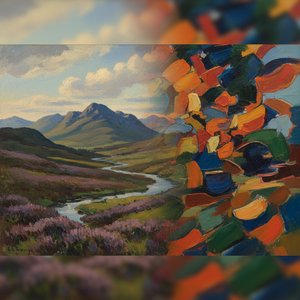
Explore the captivating world of Sir William George Gillies, a leading Scottish Colourist. Discover his journey from Cubism to iconic landscapes & still lifes. Expert insights for collectors and art enthusiasts.


 プレビュー
プレビュー
 シェアする
シェアする シェアする
シェアする
 詳細を見る
詳細を見る ガイド
ガイド

 ダウンロード
 似ている作品
 X線調査
X線調査 スライドショー
 統計情報
統計情報


 詳細を見る
詳細を見る









 ガラスオプションは、110cm未満のサイズでのみご利用いただけます。


