
 Oil On CanvasWallArtBaroque
 Late Medieval
 101.0 x 77.0 cm
オンラインプレビューをはるかに凌ぐ、高解像度で鮮明なデジタル画像をご購入いただけます。
各ファイルは、社内の専門家が高度なツールと熟練した手作業によるレタッチを用いて、細心の注意を払って準備されています。すべての画像において、卓越した鮮明度、正確な色彩再現性、そして繊細なディテールを保証いたします。
最終ファイルは、プロフェッショナルな編集・印刷環境ですぐにご利用いただけるよう最適化された状態で、72時間以内にメールにてお届けいたします。これは、一流のデザインスタジオ、出版社、ギャラリーから信頼されているものと同等の品質です。
個人での鑑賞、印刷、クリエイティブなプロジェクト用に、高解像度ファイルをダウンロードできます。 ( プリント版に切り替え 手描きの絵画を購入)
WahooArt.com を選ぶことは、単に画像を手に入れることではありません。それは、プロの手によって精密に仕上げられ、満足保証が付いた高品質なデジタルアートワークを受け取ることを意味します。ご注文いただいた際に自動的に付随する内容は、以下の通りです:

ご注文から72時間以内に、高解像度のデジタル画像ファイルがメールでお手元に届きます。すぐにそのままご利用いただけます。

お客様の作品は、高度なAIツールと専門家による手作業の編集を組み合わせてプロフェッショナルに最適化されており、細部のディテール、鮮明さ、そして正確な色再現性を最大限に引き出しています。

ファイルを誤って削除したり、紛失してしまったりしましたか?ご安心ください。いつでも無料で再送いたします。

関税や手数料、配送料を気にすることなく、お気に入りのアートワークをすぐにお楽しみいただけます。デジタルダウンロードは常に免税です。

プロ仕様のツールとカラーマネジメント技術を用いることで、デジタル画像が元の色を最大限に忠実に再現することを保証いたします。

ご購入いただいたデジタル画像にご満足いただけない場合は、100日以内であれば、理由を問わず修正または100%の返金対応をさせていただきます。

ご満足いただけない場合は、デジタルファイルを受け取ってから100日以内であれば、理由を問わず全額返金いたします。

3枚購入で10%OFF - 5枚購入で15%OFF - 10枚以上購入で20%OFF。クリエイティブなプロジェクト、ギャラリー、エージェンシーに最適です。
Peter Paul Rubens’ “Virgin and Child,” a masterpiece rendered in oil on panel around 1616, isn't merely a depiction of the Madonna; it’s an immersive experience—a vibrant testament to the power of faith, familial love, and the artist’s masterful command of Baroque dynamism. This intimate scene, often referred to as “The Virgin and Child Surrounded by the Holy Innocents,” immediately draws the viewer into a world saturated with warmth, color, and profound emotional resonance. It's a painting that speaks not just to the eye but also to the heart, inviting contemplation on themes of motherhood, protection, and divine grace.
Rubens’ genius lies in his ability to seamlessly blend religious iconography with an intensely human sensibility. The central figures—Mary cradling the infant Jesus—are rendered with a remarkable tenderness, their faces radiating serenity and maternal devotion. Yet, this isn't a static, idealized representation; Rubens imbues them with palpable life – the slight furrow of Mary’s brow, the gentle curve of her lips, the youthful innocence of Christ’s expression. The inclusion of the Holy Innocents, tiny figures scattered beneath their feet, adds another layer of poignant symbolism, representing the vulnerability and sacrifice inherent in the Christian narrative. The lamb upon which one infant sits is a potent emblem of Christ's future destiny, a foreshadowing of his sacrificial death and resurrection.
Technically, “The Virgin and Child” exemplifies the hallmarks of Rubens’ distinctive Baroque style. He employs a lavish palette—rich reds, deep blues, vibrant greens—creating an explosion of color that dominates the canvas. These hues aren't merely decorative; they are carefully chosen to evoke specific emotions and enhance the painting’s dramatic impact. The brushstrokes themselves are bold and expressive, creating a sense of movement and vitality. Rubens utilizes impasto – applying thick layers of paint – particularly in the drapery and figures, lending them a tactile quality that invites the viewer to reach out and touch them. The composition is carefully balanced, with the central group of figures anchoring the scene while the surrounding elements—the architectural backdrop, the scattered Holy Innocents—add depth and visual interest.
To fully appreciate “The Virgin and Child,” it’s crucial to understand the historical context in which it was created. The early 17th century witnessed a resurgence of religious fervor across Europe, particularly within the Catholic Church. Rubens, who had spent several years in Italy absorbing the influence of Renaissance masters like Raphael, returned to Antwerp with a renewed commitment to depicting religious subjects with both spiritual depth and artistic brilliance. He was commissioned extensively by wealthy patrons—including cardinals and nobles—to create altarpieces, devotional panels, and portraits that would adorn churches, private chapels, and aristocratic residences. This period saw a shift towards more intimate and emotionally charged depictions of biblical scenes, reflecting the growing emphasis on personal piety and devotion.
Beyond its immediate depiction of the Virgin Mary and Christ Child, “The Virgin and Child” is laden with symbolic meaning. The architectural setting—a vaguely classical structure with a receding perspective—suggests both earthly and heavenly realms. The presence of the Holy Innocents underscores the theme of innocence lost and the need for protection. The banner bearing the white pennant, representing the resurrection, subtly hints at the promise of eternal life. Even the positioning of Mary and Christ – Mary seated, cradling Jesus in a gesture of nurturing—reinforces the central themes of motherhood, care, and divine grace. The painting’s overall effect is one of profound serenity and spiritual comfort, inviting viewers to contemplate the enduring power of faith and family.
Rubens' "Virgin and Child" continues to captivate audiences today, inspiring artists and designers alike. High-quality reproductions offer a remarkable opportunity to experience the painting’s vibrant colors and dynamic composition firsthand. Whether adorning a private residence or gracing a museum wall, a reproduction of this masterpiece can infuse any space with a sense of timeless beauty, spiritual depth, and Baroque elegance. It serves as a potent reminder of the enduring power of art to evoke emotion, inspire contemplation, and connect us to the profound mysteries of faith and human experience.

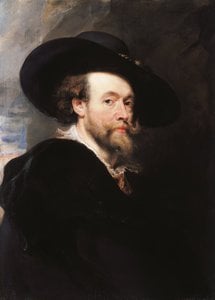
1577 - 1640 , ドイツ


 プレビュー
プレビュー
 シェアする
シェアする シェアする
シェアする
 詳細を見る
詳細を見る ガイド
ガイド

 ダウンロード
 似ている作品
 X線調査
X線調査 スライドショー
 統計情報
統計情報 詳細を見る
詳細を見る


