
オンラインプレビューをはるかに凌ぐ、高解像度で鮮明なデジタル画像をご購入いただけます。
各ファイルは、社内の専門家が高度なツールと熟練した手作業によるレタッチを用いて、細心の注意を払って準備されています。すべての画像において、卓越した鮮明度、正確な色彩再現性、そして繊細なディテールを保証いたします。
最終ファイルは、プロフェッショナルな編集・印刷環境ですぐにご利用いただけるよう最適化された状態で、72時間以内にメールにてお届けいたします。これは、一流のデザインスタジオ、出版社、ギャラリーから信頼されているものと同等の品質です。
個人での鑑賞、印刷、クリエイティブなプロジェクト用に、高解像度ファイルをダウンロードできます。 ( プリント版に切り替え 手描きの絵画を購入)
WahooArt.com を選ぶことは、単に画像を手に入れることではありません。それは、プロの手によって精密に仕上げられ、満足保証が付いた高品質なデジタルアートワークを受け取ることを意味します。ご注文いただいた際に自動的に付随する内容は、以下の通りです:

ご注文から72時間以内に、高解像度のデジタル画像ファイルがメールでお手元に届きます。すぐにそのままご利用いただけます。

お客様の作品は、高度なAIツールと専門家による手作業の編集を組み合わせてプロフェッショナルに最適化されており、細部のディテール、鮮明さ、そして正確な色再現性を最大限に引き出しています。

ファイルを誤って削除したり、紛失してしまったりしましたか?ご安心ください。いつでも無料で再送いたします。

関税や手数料、配送料を気にすることなく、お気に入りのアートワークをすぐにお楽しみいただけます。デジタルダウンロードは常に免税です。

プロ仕様のツールとカラーマネジメント技術を用いることで、デジタル画像が元の色を最大限に忠実に再現することを保証いたします。

ご購入いただいたデジタル画像にご満足いただけない場合は、100日以内であれば、理由を問わず修正または100%の返金対応をさせていただきます。

ご満足いただけない場合は、デジタルファイルを受け取ってから100日以内であれば、理由を問わず全額返金いたします。

3枚購入で10%OFF - 5枚購入で15%OFF - 10枚以上購入で20%OFF。クリエイティブなプロジェクト、ギャラリー、エージェンシーに最適です。
Peter Paul Rubens' "The Last Supper," painted around 1631 and now residing within the Gemaldegalerie Donaueschingen, Germany, isn’t merely a depiction of a biblical event; it’s a visceral experience. This monumental oil painting transcends its historical subject matter to become a profound meditation on betrayal, faith, and the very human drama of loss. Rubens, deeply influenced by his formative years in Italy, masterfully blends the dynamism of Caravaggio's tenebrism with the classical elegance he absorbed from Renaissance masters, creating an image that pulsates with both dramatic intensity and carefully considered composition.
The scene unfolds with arresting immediacy. Jesus Christ, seated at the center of a richly appointed table, is not presented as a divine figure removed from earthly concerns but as a man grappling with impending doom. His face, etched with sorrow and resignation, mirrors the palpable tension radiating from his disciples. The composition immediately draws the eye to Judas Iscariot, identifiable by his posture – subtly averted, clutching a small pouch containing the thirty pieces of silver – and his distinctively pale complexion, a deliberate artistic choice that highlights his treachery against the vibrant backdrop. Rubens’ genius lies in capturing not just what *happened* but how it *felt*, imbuing each figure with a unique emotional response to the impending betrayal.
Rubens' signature Baroque style is fully realized within this painting. He employs *chiaroscuro* – the dramatic contrast between light and dark – not as a mere technical device, but as a powerful tool for conveying emotion. The strong light illuminates Jesus and the figures closest to him, drawing attention to their suffering and highlighting the central drama of the scene. Conversely, the surrounding apostles are enveloped in shadow, suggesting their confusion, fear, and disbelief. This masterful manipulation of light creates a sense of depth and movement, as if we’re witnessing this pivotal moment unfold before our very eyes.
The artist's brushwork is remarkably energetic and expressive. Notice the loose, swirling strokes that define the drapery and the subtle variations in color that bring each figure to life. The palette itself is rich and vibrant – deep reds, blues, and golds dominate, reflecting the opulence of the setting and adding to the painting’s overall dramatic effect. Rubens wasn't interested in photographic realism; he sought to capture the *essence* of the scene, imbuing it with a sense of immediacy and emotional truth.
Beyond its immediate narrative, “The Last Supper” is laden with symbolic meaning. The table itself, laden with cups, bowls, knives, and wine glasses, represents the ritual significance of the Eucharist – the central sacrament of Christianity. The three cups on the table are particularly noteworthy; they traditionally symbolize the Holy Trinity, a subtle reminder of God’s presence within this earthly drama. The two bowls represent the bread and wine, the core elements of the communion meal. Even Judas's posture and the pouch he holds carry symbolic weight, representing not just monetary gain but also spiritual corruption.
Rubens’ “The Last Supper” stands as a testament to his unparalleled ability to capture human emotion and translate complex theological concepts into visually arresting art. It's a painting that continues to resonate with viewers centuries after its creation, prompting reflection on themes of betrayal, faith, and the enduring power of human drama. Comparisons to other interpretations of this iconic scene – such as Sebastiano Ricci’s version or Matthias Grünewald’s Coburg Panel – reveal how Rubens' approach, characterized by his dynamic composition and intense emotionality, set a new standard for depicting religious narratives. For those seeking a profound artistic experience, the Gemaldegalerie Donaueschingen offers a remarkable opportunity to witness this masterpiece firsthand.
Further exploration of Rubens’ work can be found at Peter Paul Rubens: The Last Supper on WahooArt, and by delving into the artist's life and style at Sir Peter Paul Rubens.
For a deeper dive, consider examining resources like Wikipedia’s entry on Rubens: Sir Peter Paul Rubens and the Art Institute of Chicago's detailed analysis: The Last Supper | The Art Institute of Chicago.

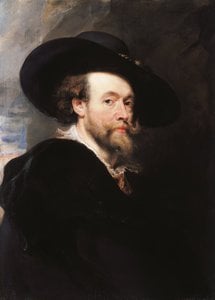
1577 - 1640 , ドイツ


 プレビュー
プレビュー
 シェアする
シェアする シェアする
シェアする
 詳細を見る
詳細を見る

 ダウンロード
 似ている作品
 X線調査
X線調査 スライドショー
 統計情報
統計情報

 詳細を見る
詳細を見る


