
 キャンバスに油彩ウォールアートBaroque
 1603Renaissance
 75.0 x 56.0 cm
迅速な制作と多彩な仕上げオプションを備えた、ミュージアムクオリティのジークレーまたはキャンバスプリント。 ( 手描きの絵画を購入 デジタル画像販売へ切り替え)





























作品のオリジナル比率に合わせた、当店の規定サイズからお選びください。

特定のフレームやスペースに合わせて、ご自身でサイズを指定することも可能です。選択されたサイズが元の画像の比率と一致しない場合、作品をトリミングするか、鏡面反射または単色での塗りつぶしによって画像を拡張いたします。制作を開始する前に、ご確認用のデジタルモックアップをお送りいたします。
画面上のプレビューには、実際のトリミングや拡張は反映されませんのでご注意ください。最終的な構図を正確に確認できるのは、モックアップのみとなります。
カスタムサイズも承っておりますが、元の比率を維持するためには、あらかじめ用意されたリストからサイズを選択することをお勧めいたします。

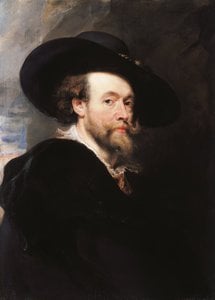
The Emperor Charles V
複製画のサイズ
Peter Paul Rubens’ “The Emperor Charles V,” painted in 1603, is more than just a portrait; it's a meticulously crafted embodiment of imperial authority and the burgeoning Baroque aesthetic. This oil-on-canvas masterpiece offers a captivating glimpse into the reign of one of Europe’s most complex figures – Holy Roman Emperor Charles V – while simultaneously showcasing Rubens’ unparalleled skill in capturing both physical likeness and psychological depth. Measuring 75 x 56 cm, the painting isn't imposing in scale, yet it commands attention through its dramatic lighting, rich textures, and the sheer weight of historical significance imbued within its frame.
At the heart of the composition stands Charles V himself, a figure radiating an aura of formidable power. He is depicted in full armor, a testament to his role as warrior-leader and sovereign ruler. The helmet, adorned with vibrant red feathers – a potent symbol of military prowess and victory – immediately draws the eye, while the meticulously rendered details of the armor itself speak volumes about the wealth and prestige of the Habsburg dynasty. Rubens masterfully employs chiaroscuro, utilizing dramatic contrasts between light and shadow to sculpt the figure’s form and emphasize his imposing stature. The beard and mustache, carefully painted with a sense of dignified gravitas, further contribute to this impression of regal authority.
Beyond the immediate subject, the painting is layered with symbolic meaning. The presence of two figures in the background, similarly clad in armor, reinforces Charles V’s position as a leader amongst his peers – a representation of his vast empire and the network of alliances that supported his rule. Rubens' choice to depict the Emperor looking directly at the viewer creates an immediate connection, inviting us into this moment of power and contemplation. The overall composition is carefully balanced, reflecting the stability and strength associated with imperial governance during a period of significant transition between the medieval and early modern worlds.
Rubens’ masterful technique lies in his ability to seamlessly blend realism with expressive dynamism. The oil on canvas medium allowed him to build up layers of color and texture, creating a surface that is both luminous and incredibly detailed. Notice the subtle variations in tone – the glint of metal, the sheen of fabric, the delicate rendering of feathers – all contribute to the painting’s remarkable sense of realism. The use of *tenebrism*, a technique popularized by Caravaggio, is particularly evident in the play of light across Charles V's face and armor, drawing our attention to key focal points and intensifying the emotional impact of the scene.
Furthermore, the color palette itself is carefully considered. The rich reds and golds dominate the composition, evoking a sense of wealth, power, and divine authority – colors frequently associated with royalty and imperial grandeur. The subtle blues and greens in the background provide a necessary contrast, grounding the figure and creating depth within the scene. Rubens’ attention to detail extends beyond mere color; he meticulously renders every element, from the intricate patterns on the armor to the folds of the Emperor's garments, demonstrating his unparalleled skill as a painter.
To fully appreciate “The Emperor Charles V,” it’s crucial to understand the historical context in which it was created. Charles V reigned over an immense empire encompassing much of Europe, including Spain, the Netherlands, parts of Italy, and territories in Central America. His reign coincided with a period of intense political upheaval, marked by religious conflict between Catholics and Protestants, and shifting alliances among European powers. Maximilian I, Holy Roman Emperor who preceded Charles V, also left a lasting legacy, as discussed in Cultural Depictions of Maximilian I, Holy Roman Emperor. Rubens’ portrait captures not just the outward appearance of Charles V but also the weight of his responsibilities and the challenges he faced as a ruler navigating a complex and volatile world.
“The Emperor Charles V” is just one example of Peter Paul Rubens’ prolific output. A true innovator, Rubens pushed the boundaries of artistic expression during the Baroque period, developing a distinctive style characterized by dynamic compositions, vibrant colors, and an intense emotionality. His other notable works include “Aeneas And His Family Departing From Troy,” “Study for an Equestrian Portrait of the Duke of Lerma,” and “Duke of Lerma” – each showcasing his remarkable versatility and mastery of technique. Rubens’ influence on subsequent generations of artists is undeniable, and his paintings continue to captivate audiences with their beauty, drama, and profound sense of human experience.
Experience the artistry of Peter Paul Rubens through WahooArt's hand-made oil painting reproductions. The Emperor Charles V and other works by Peter Paul Rubens are available at WahooArt.com.

1577 - 1640 , ドイツ

Explore the dramatic brilliance of the Flemish Baroque movement. Discover how masters like Peter Paul Rubens utilized chiaroscuro and dynamic composition to redefine art history through light, shadow, and unparalleled emotion.

Explore the breathtaking drama of the Baroque era. From the mastery of chiaroscuro to epic mythological narratives, discover a definitive guide to art's most powerful period of light, shadow, and emotion for the true classical art enthusiast.

Elevate your collection with the dramatic grandeur of Baroque oil masterpieces. WahooArt offers exquisite, hand-painted reproductions of the Great Masters, featuring authentic chiaroscuro and premium textures. Discover bespoke artistry and expert consultation for elite collectors worldwide.


 プレビュー
プレビュー
 シェアする
シェアする シェアする
シェアする
 詳細を見る
詳細を見る

 ダウンロード
 似ている作品
 X線調査
X線調査 スライドショー
 統計情報
統計情報 詳細を見る
詳細を見る









 ガラスオプションは、110cm未満のサイズでのみご利用いただけます。


