
 Oil On CanvasWallArtBaroque
 1614Early Modern
 200.0 x 120.0 cm
当社のアーティストが、お客様のご希望のサイズと額縁に合わせて、キャンバスに手描きで制作する油彩画です。 ( プリント版に切り替え デジタル画像販売へ切り替え)





























作品のオリジナル比率に合わせた、当店の規定サイズからお選びください。

特定のフレームやスペースに合わせて、ご希望のサイズをご入力いただけます。選択されたサイズが元の画像の比率と異なる場合、アートワークをトリミングするか、手描きで要素を追加して絵画を拡張いたします。デジタルモックアップ を制作し、制作開始前にご確認(承認)をいただきます。
画面上のプレビューは、実際のトリミングや拡張を正確に反映しているものではありません。最終的な構図は、モックアップによってのみ正確にご確認いただけます。
カスタムサイズもご利用いただけますが、元の比率を維持するためには、あらかじめ用意されたリストからサイズを選択することをお勧めいたします。

St. Sebastian
複製画のサイズ
To encounter Peter Paul Rubens’ St. Sebastian is to step directly into the heart of the Baroque era, where the boundaries between the divine and the mortal blur through intense emotion and physical struggle. Created around 1614, during a period of profound artistic maturation for the Flemish master, this monumental work serves as a breathtaking testament to the power of chiaroscuro. Rubens does not merely present a scene of martyrdom; he orchestrates a sensory experience that captures the very essence of human vulnerability and spiritual fortitude. The saint, bound to a rugged tree and pierced by arrows, becomes a focal point of both agony and grace, inviting the viewer to contemplate the profound cost of conviction.
The composition is a masterclass in theatricality, a hallmark of Rubens’ unique ability to engineer spectacles on canvas. Through a sophisticated manipulation of light and shadow, the artist sculptively defines the muscular anatomy of the saint, drawing the eye toward the torso where the arrows have struck. This dramatic lighting serves a dual purpose: it highlights the physical trauma inflicted upon the body while simultaneously illuminating the heroic dignity that remains unbowed by pain. The stark contrast between the luminous skin of St. Sebastian and the deep, brooding shadows of the surrounding landscape creates a sense of isolation, emphasizing his solitary struggle against the forces of persecution.
Beyond the immediate emotional impact, the painting reveals Rubens’ unparalleled technical prowess. His brushwork, though controlled, possesses an inherent vitality that breathes life into every element of the scene. One can almost feel the rough, weathered bark of the tree, the cold hardness of the rocks upon which the saint rests, and the soft, yielding texture of the flesh. This meticulous attention to detail is not merely decorative; it is essential to the painting's realism, grounding the spiritual narrative in a tangible, visceral reality. The landscape itself, though desolate and bleak, provides a necessary atmospheric weight, acting as a silent witness to the unfolding martyrdom.
For the discerning collector or interior designer, this piece offers more than just historical significance; it provides a profound aesthetic anchor. The dynamic movement within the composition—the tension of the bound limbs and the directional energy of the arrows—creates a sense of motion that can transform the atmosphere of a room. Whether placed in a grand gallery or a sophisticated private study, a high-quality reproduction of this masterpiece brings with it an air of intellectual depth and classical beauty. It is a work that demands attention, sparking conversation through its complex interplay of light, shadow, and the enduring human spirit.

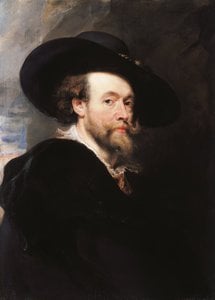
1577 - 1640 , ドイツ

Embark on a visual journey through the top 25 masterpieces of Paul Klee. Explore his iconic use of color, rhythm, and abstraction through museum-quality stories and art reproductions. Find perfect inspiration for your decor. Discover all masterpieces on WahooArt.com.

Embark on a visual journey through Paul Cézanne’s 25 most iconic Post-Impressionist masterpieces. Uncover the stories, textures, and revolutionary techniques that shaped modern art. Find museum-quality reproductions for inspired decor at WahooArt.com. Discover all masterpieces on WahooArt.com.


 プレビュー
プレビュー
 シェアする
シェアする シェアする
シェアする
 詳細を見る
詳細を見る

 ダウンロード
 似ている作品
 X線調査
X線調査 スライドショー
 統計情報
統計情報 詳細を見る
詳細を見る









 ガラスオプションは、110cm未満のサイズでのみご利用いただけます。


