
 Oil On PanelFlemish Baroque
 1638
1638 23.0 x 30.0 cm
迅速な制作と多彩な仕上げオプションを備えた、ミュージアムクオリティのジークレーまたはキャンバスプリント。 ( 手描きの絵画を購入 デジタル画像販売へ切り替え)





























作品のオリジナル比率に合わせた、当店の規定サイズからお選びください。

特定のフレームやスペースに合わせて、ご自身でサイズを指定することも可能です。選択されたサイズが元の画像の比率と一致しない場合、作品をトリミングするか、鏡面反射または単色での塗りつぶしによって画像を拡張いたします。制作を開始する前に、ご確認用のデジタルモックアップをお送りいたします。
画面上のプレビューには、実際のトリミングや拡張は反映されませんのでご注意ください。最終的な構図を正確に確認できるのは、モックアップのみとなります。
カスタムサイズも承っておりますが、元の比率を維持するためには、あらかじめ用意されたリストからサイズを選択することをお勧めいたします。

Landscape with Tower
複製画のサイズ
Peter Paul Rubens’s “Landscape with Tower,” painted in 1638, is more than just a depiction of a serene countryside; it's an immersive experience of the Baroque era. This oil-on-panel artwork, measuring 23 x 30 cm, captures the essence of Flemish artistic innovation – a masterful blend of natural beauty and architectural drama that speaks to the period’s fascination with movement, emotion, and opulent spectacle. The painting immediately draws the eye to its dramatic composition: a cloudy sky pressing down upon a castle silhouetted against the horizon, while figures and a horse punctuate the scene with a sense of human presence within this vast landscape.
Rubens was a pivotal figure in the development of the Baroque style, a movement characterized by its emotional intensity, dramatic lighting, and dynamic compositions. His work reflects the broader cultural currents of 17th-century Europe, where religious fervor, scientific inquiry, and artistic innovation converged. “Landscape with Tower” exemplifies this spirit perfectly. The painting’s scale – relatively small but powerfully rendered – was a common feature of Rubens's oeuvre, allowing for intimate engagement with his subjects.
Interestingly, the creation of "Landscape with Tower" coincided with the architectural innovations of Francesco Borromini in Rome. Borromini’s designs, particularly the Chiesa di San Carlo alle Quattro Fontane, were pushing the boundaries of spatial perception and architectural form – concepts that undoubtedly influenced Rubens's approach to composition and perspective. This connection highlights the interconnectedness of artistic movements and intellectual trends during this period.
Beyond its technical brilliance, “Landscape with Tower” is rich in symbolic meaning. The castle itself can be interpreted as a representation of power, both earthly and spiritual. The cloudy sky suggests uncertainty or impending change, while the figures evoke human vulnerability within the face of nature’s grandeur. Rubens was not simply depicting a scene; he was conveying an emotional response to it – a sense of awe, wonder, and perhaps even a touch of melancholy.
“Landscape with Tower” stands as a testament to Peter Paul Rubens's unparalleled skill and vision. This small yet powerful painting offers a glimpse into the heart of the Baroque era, showcasing the artist’s mastery of color, composition, and technique. Its dramatic intensity and evocative beauty continue to captivate viewers centuries later. For those seeking to own a piece of this artistic legacy, a hand-painted reproduction captures the essence of Rubens's genius with remarkable fidelity.

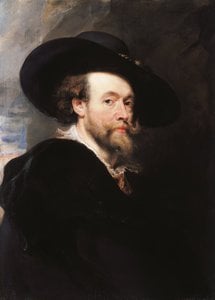
1577 - 1640 , ドイツ

Discover the enduring allure of oil on panel painting. Explore the technical mastery, historical significance, and luminous depth that define this prestigious medium, from Renaissance masters to modern fine art reproductions for discerning collectors.


 プレビュー
プレビュー
 シェアする
シェアする シェアする
シェアする
 詳細を見る
詳細を見る

 ダウンロード
 似ている作品
 X線調査
X線調査 スライドショー
 統計情報
統計情報 詳細を見る
詳細を見る









 ガラスオプションは、110cm未満のサイズでのみご利用いただけます。


