
 Baroque
 1618
1618 212.0 x 213.0 cm
 アルテ・ピナコテーク
当社のアーティストが、お客様のご希望のサイズと額縁に合わせて、キャンバスに手描きで制作する油彩画です。 ( プリント版に切り替え デジタル画像販売へ切り替え)





























作品のオリジナル比率に合わせた、当店の規定サイズからお選びください。

特定のフレームやスペースに合わせて、ご希望のサイズをご入力いただけます。選択されたサイズが元の画像の比率と異なる場合、アートワークをトリミングするか、手描きで要素を追加して絵画を拡張いたします。デジタルモックアップ を制作し、制作開始前にご確認(承認)をいただきます。
画面上のプレビューは、実際のトリミングや拡張を正確に反映しているものではありません。最終的な構図は、モックアップによってのみ正確にご確認いただけます。
カスタムサイズもご利用いただけますが、元の比率を維持するためには、あらかじめ用意されたリストからサイズを選択することをお勧めいたします。

Drunken Silenus
複製画のサイズ
Peter Paul Rubens' "Drunken Silenus," painted in 1618, is a vibrant and dynamic masterpiece that epitomizes the exuberance of the Baroque period. This oil on panel painting, measuring 212 x 213 cm and currently residing at the Alte Pinakothek in Munich, Germany, captures a scene of unrestrained joy and bacchanalian revelry. The artwork is not merely a depiction of intoxication; it's an exploration of human nature, sensuality, and the fleeting pleasures of life, rendered with Rubens’ signature mastery of color and composition.
At the heart of the painting lies Silenus, the mythological companion of Dionysus (Bacchus), god of wine and revelry. He is portrayed in a state of joyous abandon, leaning heavily on a support as if overcome by the effects of wine. Surrounding him is a lively throng of figures – men, women, and children – each engaged in their own expressions of merriment. Some are drinking from goblets, others handling bowls overflowing with fruit, while still others simply observe the scene with smiles or laughter. The composition is deliberately chaotic yet carefully orchestrated by Rubens, creating a sense of movement and energy that draws the viewer into the heart of the celebration. Details like the chair and potted plant in the background add depth and realism to the lively gathering.
“Drunken Silenus” is a quintessential example of Baroque art, characterized by its dramatic use of light and shadow (chiaroscuro), dynamic composition, and rich color palette. Rubens’ masterful technique involves layering oil paints to create depth and texture, resulting in a luminous quality that brings the scene to life. The figures are rendered with anatomical accuracy and expressive gestures, conveying a range of emotions from boisterous laughter to quiet contemplation. Rubens' use of warm colors – reds, golds, and browns – further enhances the sense of warmth and vitality within the painting. His ability to capture movement is particularly striking; the swirling robes, gesturing hands, and leaning bodies all contribute to the feeling that the scene is unfolding before our very eyes.
The subject matter itself – a bacchanal or drunken revelry – draws heavily from classical mythology. Silenus represents not only intoxication but also wisdom, as he is often depicted as a sage despite his inebriated state. The painting reflects the broader cultural context of the early 17th century, a period marked by both religious fervor and a renewed interest in classical antiquity. Rubens, deeply learned in classical literature and art, skillfully blended mythological themes with observations of everyday life, creating a work that is both entertaining and intellectually stimulating. The scene can be interpreted as an allegory for the fleeting nature of earthly pleasures and the importance of embracing joy while it lasts.
"Drunken Silenus" evokes a powerful sense of joy, vitality, and unrestrained human emotion. The painting’s dynamic composition and vibrant colors create an immersive experience for the viewer, inviting them to share in the revelry depicted on canvas. As one of Peter Paul Rubens' most celebrated works, "Drunken Silenus" continues to captivate audiences with its masterful technique, rich symbolism, and enduring celebration of life's pleasures. It stands as a testament to Rubens’ genius and his ability to capture the essence of the Baroque spirit.
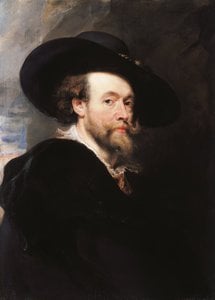
1577 - 1640 , ドイツ

Explore the breathtaking drama of the Baroque era. From the mastery of chiaroscuro to epic mythological narratives, discover a definitive guide to art's most powerful period of light, shadow, and emotion for the true classical art enthusiast.

Embark on a sophisticated journey through the eternal allure of mythological art. Discover how master painters breathe life into ancient legends, from Greek deities to Baroque masterpieces, and learn to curate these timeless narratives within your own exquisite art collection.

Explore the dramatic brilliance of the Flemish Baroque movement. Discover how masters like Peter Paul Rubens utilized chiaroscuro and dynamic composition to redefine art history through light, shadow, and unparalleled emotion.

Explore the exquisite precision of Flemish painting. From Jan van Eyck to Robert Campin, discover the revolutionary oil techniques and rich symbolism that defined the Northern Renaissance and continue to inspire fine art collectors today.


 プレビュー
プレビュー
 シェアする
シェアする シェアする
シェアする
 詳細を見る
詳細を見る

 ダウンロード
 似ている作品
 X線調査
X線調査 スライドショー
 統計情報
統計情報 詳細を見る
詳細を見る









 ガラスオプションは、110cm未満のサイズでのみご利用いただけます。


