オンラインプレビューをはるかに凌ぐ、高解像度で鮮明なデジタル画像をご購入いただけます。
各ファイルは、社内の専門家が高度なツールと熟練した手作業によるレタッチを用いて、細心の注意を払って準備されています。すべての画像において、卓越した鮮明度、正確な色彩再現性、そして繊細なディテールを保証いたします。
最終ファイルは、プロフェッショナルな編集・印刷環境ですぐにご利用いただけるよう最適化された状態で、72時間以内にメールにてお届けいたします。これは、一流のデザインスタジオ、出版社、ギャラリーから信頼されているものと同等の品質です。
個人での鑑賞、印刷、クリエイティブなプロジェクト用に、高解像度ファイルをダウンロードできます。 ( プリント版に切り替え 手描きの絵画を購入)
WahooArt.com を選ぶことは、単に画像を手に入れることではありません。それは、プロの手によって精密に仕上げられ、満足保証が付いた高品質なデジタルアートワークを受け取ることを意味します。ご注文いただいた際に自動的に付随する内容は、以下の通りです:

ご注文から72時間以内に、高解像度のデジタル画像ファイルがメールでお手元に届きます。すぐにそのままご利用いただけます。

お客様の作品は、高度なAIツールと専門家による手作業の編集を組み合わせてプロフェッショナルに最適化されており、細部のディテール、鮮明さ、そして正確な色再現性を最大限に引き出しています。

ファイルを誤って削除したり、紛失してしまったりしましたか?ご安心ください。いつでも無料で再送いたします。

関税や手数料、配送料を気にすることなく、お気に入りのアートワークをすぐにお楽しみいただけます。デジタルダウンロードは常に免税です。

プロ仕様のツールとカラーマネジメント技術を用いることで、デジタル画像が元の色を最大限に忠実に再現することを保証いたします。

ご購入いただいたデジタル画像にご満足いただけない場合は、100日以内であれば、理由を問わず修正または100%の返金対応をさせていただきます。

ご満足いただけない場合は、デジタルファイルを受け取ってから100日以内であれば、理由を問わず全額返金いたします。

3枚購入で10%OFF - 5枚購入で15%OFF - 10枚以上購入で20%OFF。クリエイティブなプロジェクト、ギャラリー、エージェンシーに最適です。
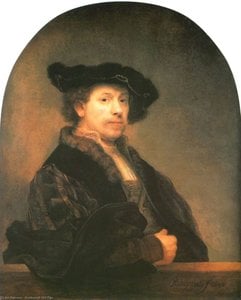
Sir Joshua Reynolds' "Self-Portrait," painted in 1747-1749, isn’t merely a likeness; it’s a carefully constructed declaration of an artist’s ambition and his understanding of the era. This captivating work, now residing within the esteemed collection of the SCAD Museum of Art in Savannah, offers a rare glimpse into the mind of one of Britain's most influential figures in 18th-century art – a man who fundamentally reshaped the very notion of portraiture. The painting immediately draws the eye with its dramatic lighting, a hallmark of Reynolds’ “Grand Style,” where shadows are sculpted to enhance form and create an atmosphere of both solemnity and vibrant energy. The artist himself is presented not as a humble craftsman, but as a figure of authority and intellectual prowess – his gaze direct and confident, suggesting a man acutely aware of his own importance within the cultural landscape.
Reynolds’ skill lies not just in capturing a physical likeness but in imbuing that likeness with character and depth. Observe the meticulous rendering of his wig, styled with an almost theatrical flourish – a deliberate choice reflecting the fashionable sensibilities of the time. The ruffled collar, meticulously detailed, speaks to his status and connection to the aristocratic circles he frequented. But it’s the subtle manipulation of light and shadow that truly elevates the portrait. Reynolds employed a technique known as *chiaroscuro*, expertly contrasting areas of bright illumination with deep shadows, creating a sense of three-dimensionality and drawing attention to key features. The impasto – the thick application of paint – adds texture and visual interest, particularly noticeable in the folds of his clothing and the suggestion of fabric beneath his jacket. This wasn’t simply about painting; it was about sculpting light and form onto canvas.
The “Self-Portrait” is deeply rooted in the artistic principles of the Enlightenment, a period characterized by a renewed interest in classical antiquity. Reynolds, heavily influenced by artists like Leonardo da Vinci and Michelangelo, sought to emulate their mastery of anatomy, perspective, and dramatic composition. The pose itself – reminiscent of Roman statues – deliberately connects him to this rich heritage. Furthermore, the inclusion of his ear trumpet, a symbol of his partial deafness acquired during his time in Rome, subtly acknowledges his artistic journey and intellectual pursuits. It’s a quiet testament to the challenges he overcame in pursuit of his craft. The painting also reflects Reynolds' belief that art should be idealized – not a slavish imitation of reality but an elevation of it, reflecting the beauty and harmony inherent within human form.
Sir Joshua Reynolds’ “Self-Portrait” is more than just a personal depiction; it's a pivotal document in the history of British art. His theories on painting, articulated in his influential *Discourses on Art*, established the "Grand Style," which dominated portraiture for decades and profoundly impacted subsequent generations of artists. He championed the idea that painters should study classical models and strive to create works of beauty and harmony – a philosophy that shifted the focus from mere likeness to artistic expression. The painting’s enduring appeal lies in its ability to transport us back to a pivotal moment in art history, offering a window into the mind of a visionary artist who shaped the course of British painting. Reproductions of this iconic work continue to inspire and captivate, reminding us of the power of art to both reflect and shape our understanding of the world.


1723 - 1792 , イギリス


 プレビュー
プレビュー
 シェアする
シェアする シェアする
シェアする
 詳細を見る
詳細を見る ガイド
ガイド

 ダウンロード
 似ている作品
 X線調査
X線調査 スライドショー
 統計情報
統計情報


 詳細を見る
詳細を見る