Oil On CanvasWallArtPre-Raphaelite Brotherhood
 187019th Century
 136.0 x 184.0 cm
スピーディーな制作と多彩な仕上げオプションが魅力の、ミュージアムクオリティなジークレー・キャンバスプリント。 ( 手描きの複製画を注文する デジタル画像販売へ切り替え)





























作品のオリジナル比率に合わせた、当店の規定サイズからお選びください。

額縁や壁のスペースに合わせて、ご希望の幅と高さを入力してください。プリントはカットすることは可能ですが、元の画像より大きくすることはできないため、異なる比率のサイズを選択された場合は、画像の一部が欠けることになります。印刷を開始する前に、内容を確認していただくためのデジタルモックアップをお送りいたします。このページに表示されている画像は、実際のカット後の状態を示すものではありません。実際の仕上がりはモックアップにてご確認ください。
The Knight Errant
複製画サイズ一覧
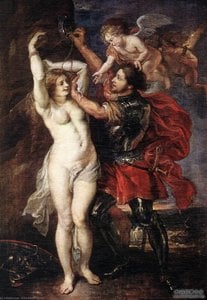
Sir John Everett Millais's “The Knight Errant,” completed in 1870, is a profoundly evocative work that immediately transports the viewer to the heart of Romanticism. Measuring 136 x 184 cm, this oil on canvas isn’t merely a depiction of a knight and a woman; it’s an intensely felt exploration of vulnerability, protection, and the enduring power of nature – themes central to the Pre-Raphaelite movement.
The scene depicts a knight, clad in gleaming armor, standing beside a naked woman. This juxtaposition is deliberately unsettling, radiating both chivalric duty and profound exposure. The woman’s expression, often interpreted as one of distress or discomfort, adds another layer to the painting's complex narrative. Millais masterfully utilizes light and shadow, creating a palpable sense of tension that draws the eye across the canvas, focusing on the stark contrast between the knight’s rigid form and the woman’s delicate vulnerability.
Millais was a pivotal figure in the Pre-Raphaelite movement, a group fiercely dedicated to rejecting the idealized forms and artificiality that had come to dominate academic art. Inspired by the clarity, detail, and emotional honesty of early Italian masters – notably Giotto and Duccio – Millais sought to return to a more direct engagement with reality. “The Knight Errant” exemplifies this approach perfectly. The artist’s meticulous technique is immediately apparent in the rendering of the knight's armor—each plate painstakingly detailed, reflecting light with a remarkable realism that suggests a sculptor’s eye. Similarly, the woman’s skin tones are rendered with an almost photographic precision, capturing subtle variations and textures that contribute to her palpable vulnerability.
The central figures—the knight and the woman—represent opposing forces, embodying themes of protection versus vulnerability, strength against weakness. The setting – a tree-lined area – serves to heighten the drama, contrasting the human conflict with the enduring power of nature. Some scholars interpret the scene as an allegory for the loss of innocence or the corruption of ideals. The knight’s armor, while representing order and defense, also suggests confinement and restriction, mirroring the woman's state of vulnerability.
Painted in 1870, “The Knight Errant” reflects a period of significant social and artistic change. The Victorian era was marked by both rapid industrialization and a renewed interest in medieval chivalry and romantic ideals. Millais’s work aligns with this cultural fascination while simultaneously challenging conventional representations of heroism and beauty. His dedication to meticulous detail and emotional honesty cemented his legacy as one of the most important artists of the Pre-Raphaelite movement, influencing generations of painters who followed.
「The Knight Errant」のスライドショーは、作品のスライドショーページでご覧いただけます。
ジョン・エバレット・ミレーズ作「The Knight Errant」は1870年に制作されたもので、Pre-Raphaelite Brotherhoodに属します。
「The Knight Errant」のプレビューページでは、ご注文前に作品をプレビューいただけます。


1829 - 1896 , イギリス

Explore the breathtaking world of the Pre-Raphaelite Brotherhood. Discover how this movement redefined Victorian art through vivid detail, mythological depth, and romanticism. An expert guide for classic art enthusiasts seeking to rediscover these timeless masterpieces.

Delve into the breathtaking Pre-Raphaelite Revolution. Explore the vivid colors, intricate details, and romantic symbolism of masters like Rossetti and Millais in this authoritative journey through 19th-century art history for true enthusiasts.

 設置イメージを確認
 送る
送る シェア
シェア
 詳細情報
詳細情報 ガイドを表示

 画像をダウンロード
 似ている作品
 X線調査
X線調査 スライドショー
 Q&A
Q&A 統計情報
統計情報 続きを読む
続きを読む









 ガラスオプションは、110cm未満のサイズでのみご利用いただけます。