
x































作品のオリジナル比率に合わせた、当店の規定サイズからお選びください。

特定のフレームやスペースに合わせて、ご希望のサイズをご入力いただけます。選択されたサイズが元の画像の比率と異なる場合、アートワークをトリミングするか、手描きで要素を追加して絵画を拡張いたします。デジタルモックアップ を制作し、制作開始前にご確認(承認)をいただきます。
画面上のプレビューは、実際のトリミングや拡張を正確に反映しているものではありません。最終的な構図は、モックアップによってのみ正確にご確認いただけます。
カスタムサイズもご利用いただけますが、元の比率を維持するためには、あらかじめ用意されたリストからサイズを選択することをお勧めいたします。

Lady Dacre
複製画のサイズ
Sir Anthony van Dyck’s “Lady Dacre” is not merely a portrait; it's a carefully constructed tableau of Renaissance elegance, imbued with subtle symbolism and the quiet dignity of a woman navigating a world shaped by both beauty and loss. Painted in 1633, this exquisite work captures Dorothy, Lady Dacre – a figure shrouded in historical intrigue and possessing a captivating presence that transcends the confines of her painted likeness. The painting immediately draws the eye to its subject’s somber attire: a rich black gown, meticulously draped, and a matching cap shaped like a widow's peak—a poignant visual echo of her recent bereavement. Yet, it is not simply mourning that dominates; there’s an underlying strength, a poised grace that speaks volumes about her character.
Van Dyck’s mastery lies in his ability to render texture and light with breathtaking precision. The velvet of the gown seems to shimmer beneath the subtle highlights, while the folds cascade with a realistic fluidity. Notice how he captures the delicate sheen of the pearl necklace, a symbol of wealth and status, yet also hinting at vulnerability. The muted palette—primarily deep blues, browns, and blacks—creates an atmosphere of contemplative stillness, drawing the viewer into the scene’s intimate space. The artist's use of chiaroscuro – the dramatic contrast between light and shadow – is particularly effective, sculpting the subject’s face and emphasizing her features with a masterful hand.
To fully appreciate “Lady Dacre,” it’s essential to understand the historical context in which she lived. Dorothy Fiennes was the daughter of George Neville, 5th Baron Bergavenny, and a woman deeply entwined with the tumultuous events surrounding King Charles I's reign. Her marriage to Thomas Fiennes, 9th Baron Dacre, a man who tragically met his end through a politically motivated murder in 1541, cast her into a life of widowhood and constant struggle for her family’s inheritance. The painting was created during this period of uncertainty and legal battles, reflecting the emotional weight she carried.
The inclusion of two birds within the composition adds layers of symbolic meaning. One bird is positioned on the left side of the canvas, while another appears towards the top right corner. These avian figures are often interpreted as symbols of hope and resurrection—a subtle nod to Dorothy’s enduring spirit amidst adversity. The rose held delicately in her hand further reinforces this theme, representing both the fading beauty of a widow's life and the promise of future love and renewal.
Sir Anthony van Dyck stands as one of the most influential portrait painters in European history. His work, particularly his portraits of the English aristocracy during Charles I's reign, revolutionized the genre by introducing a new level of intimacy and psychological depth. He moved away from the stiff formality of earlier court portraits, capturing subjects with a sense of relaxed elegance and genuine emotion. “Lady Dacre” exemplifies this shift—it’s not simply a likeness; it’s a carefully crafted portrayal of a woman's inner life.
Van Dyck’s influence on subsequent generations of artists is undeniable, and his techniques – particularly his mastery of light, color, and composition – continue to inspire painters today. Reproductions of “Lady Dacre” offer a remarkable opportunity to experience the beauty and sophistication of this iconic work firsthand, allowing us to connect with a woman whose story continues to resonate across centuries.


1599 - 1641 , ベルギー

Explore the life & legacy of Sir Anthony van Dyck, the leading court painter of his era. Discover his innovative portraiture, Baroque masterpieces, and investment potential for discerning collectors. Learn more at WahooArt.

レンブラントの傑作25選。光と影の魔術師が描いた魂を揺さぶる名画の世界へ。美術史に残る自画像、夜警、宗教画…WahooArtで高品質なアートプリントやインテリアアートをお楽しみください。コレクションはこちら→

Explore the grandeur of Baroque portraiture! Discover Rubens, Van Dyck & the masters of 17th-century art. Uncover symbolism, techniques & lasting influence. Expert insights for collectors and enthusiasts.
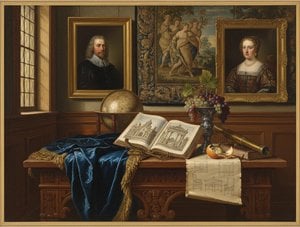
Journey through 17th century art with masterpieces by Rembrandt, Vermeer & Caravaggio. Explore Baroque paintings, Dutch Golden Age techniques & timeless beauty. Find museum-quality reproductions and elevate your home decor on WahooArt.com.
Explore the breathtaking drama of 17th-century Baroque art. Our expert guide decodes the use of chiaroscuro, emotional intensity, and historical grandeur to help you appreciate and curate timeless masterpieces for your collection.


最新の美術ニュース、限定オファー、そしてインテリアのアイデアをいち早くお届けします。
お客様のプロジェクトについてお聞かせください。当社の美術専門家が、お客様に合わせた3つのパーソナライズされた芸術提案をご提供いたします。
あなたにぴったりの3作品を無料で厳選いたします


 プレビュー
プレビュー
 プリントを購入
 シェアする
シェアする シェアする
シェアする
 詳細を見る
詳細を見る

 ダウンロード
 似ている作品
 X線調査
X線調査 スライドショー


 詳細を見る
詳細を見る









 ガラスオプションは、110cm未満のサイズでのみご利用いただけます。


