
 Oil On CanvasWallArtBaroque
 1617
1617 119.0 x 178.0 cm
 ナショナル・ギャラリー
迅速な制作と多彩な仕上げオプションを備えた、ミュージアムクオリティのジークレーまたはキャンバスプリント。 ( 手描きの絵画を購入 デジタル画像販売へ切り替え)





























作品のオリジナル比率に合わせた、当店の規定サイズからお選びください。

特定のフレームやスペースに合わせて、ご自身でサイズを指定することも可能です。選択されたサイズが元の画像の比率と一致しない場合、作品をトリミングするか、鏡面反射または単色での塗りつぶしによって画像を拡張いたします。制作を開始する前に、ご確認用のデジタルモックアップをお送りいたします。
画面上のプレビューには、実際のトリミングや拡張は反映されませんのでご注意ください。最終的な構図を正確に確認できるのは、モックアップのみとなります。
カスタムサイズも承っておりますが、元の比率を維持するためには、あらかじめ用意されたリストからサイズを選択することをお勧めいたします。

Abraham and Isaac
複製画のサイズ
Sir Anthony van Dyck's “Abraham and Isaac,” painted in 1617, is more than just a biblical scene; it’s a profound meditation on faith, obedience, and the agonizing weight of divine command. This masterful work transcends its religious subject matter to become a timeless exploration of human emotion and the complex relationship between man and God. Van Dyck, already establishing his signature style—characterized by elegant portraits and a remarkable ability to capture fleeting expressions—delves into this pivotal narrative with an intensity that resonates deeply even today.
The painting depicts the moment before Abraham is poised to sacrifice Isaac, as recounted in Genesis. The composition is remarkably balanced, drawing the eye immediately to the central figures of the father and son. Abraham, rendered with a dignified sorrow etched onto his face, holds Isaac firmly but gently, conveying both resolve and heartbreaking reluctance. Isaac’s youthful countenance reflects a mixture of apprehension and acceptance—a poignant testament to the boy's unwavering trust in his father’s judgment. The surrounding figures – servants, messengers, and the landscape itself – are rendered with subtle detail, contributing to the overall sense of drama and solemnity.
Van Dyck’s technical prowess is immediately evident in the painting's rich textures and masterful use of light. He employs a technique known as “sfumato,” blurring the edges of forms to create an atmospheric haze that envelops the scene, intensifying the emotional impact. The deep, saturated colors—particularly the earthy tones of Abraham’s robe and the muted blues of the sky—lend a sense of gravitas and timelessness to the composition. Van Dyck's brushwork is remarkably fluid, particularly in depicting the drapery, which flows with an almost sculptural quality. Note how he uses light to highlight key elements – Isaac’s face, Abraham’s hand – drawing attention to the central drama.
The painting adheres closely to the conventions of Baroque art, but Van Dyck infuses it with a distinctly personal touch. The composition is carefully structured around a triangular arrangement, anchoring the scene and directing the viewer's gaze towards the central figures. The use of perspective creates a sense of depth, drawing the viewer into the narrative and immersing them in the emotional intensity of the moment. Van Dyck’s ability to capture such nuanced emotion within a formal structure is a hallmark of his genius.
“Abraham and Isaac” is laden with symbolic meaning. The ram, sacrificed in place of Isaac, represents divine mercy and substitution—a powerful image of God's willingness to accept alternative offerings in lieu of human sacrifice. The mountain itself – Jehovah-jireh, “the Lord will provide” – symbolizes a moment of faith tested to its limits. It’s not merely a landscape; it’s a stage for the drama of divine revelation and humanity’s response to it.
Beyond the biblical narrative, the painting can be interpreted as an allegory of the human condition—a reflection on the challenges of obedience, the burden of responsibility, and the enduring struggle between faith and doubt. Abraham's anguish mirrors our own moments of uncertainty and moral dilemmas, while Isaac’s youthful acceptance speaks to the power of trust and unwavering belief. The painting invites viewers to contemplate their own relationship with faith, morality, and the choices they make in the face of adversity.
Sir Anthony van Dyck’s “Abraham and Isaac” stands as a testament to his artistic skill and profound understanding of human emotion. His masterful technique, combined with a keen awareness of symbolism and narrative depth, elevates the painting beyond a simple depiction of a biblical story. It remains a powerful and moving work of art, admired for its beauty, its emotional resonance, and its enduring relevance. Reproductions of this iconic piece capture the essence of Van Dyck’s genius, offering a glimpse into a world of elegance, drama, and timeless contemplation.


1599 - 1641 , ベルギー

レンブラントの傑作25選。光と影の魔術師が描いた魂を揺さぶる名画の世界へ。美術史に残る自画像、夜警、宗教画…WahooArtで高品質なアートプリントやインテリアアートをお楽しみください。コレクションはこちら→

バロック美術の華!カラヴァッジョ、ベルニーニら巨匠が創り上げた10大名作を徹底解剖。ドラマチックな色彩と豪華絢爛の世界観に触れ、至宝のアートプリントで空間を彩ろう。WahooArt.comで美術館品質の複製と洗練されたインテリアを見つけましょう!

Explore the life & legacy of Sir Anthony van Dyck, the leading court painter of his era. Discover his innovative portraiture, Baroque masterpieces, and investment potential for discerning collectors. Learn more at WahooArt.

Explore the grandeur of Baroque portraiture! Discover Rubens, Van Dyck & the masters of 17th-century art. Uncover symbolism, techniques & lasting influence. Expert insights for collectors and enthusiasts.
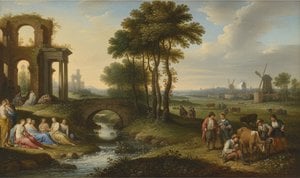
Discover Cornelis van Poelenburch, a pivotal Dutch Baroque landscape painter bridging Mannerism & Italianate styles. Explore his life, key works, and lasting influence on 17th-century art with WahooArt.


 プレビュー
プレビュー
 シェアする
シェアする シェアする
シェアする
 詳細を見る
詳細を見る ガイド
ガイド

 ダウンロード
 似ている作品
 X線調査
X線調査 スライドショー
 統計情報
統計情報 詳細を見る
詳細を見る









 ガラスオプションは、110cm未満のサイズでのみご利用いただけます。


