
 Acrylic On CanvasWallArtLate Medieval Gothic
 1320
1320 79.0 x 56.0 cm
 ウォールラフ・リヒャルトス美術館
当社のアーティストが、お客様のご希望のサイズと額縁に合わせて、キャンバスに手描きで制作する油彩画です。 ( プリント版に切り替え デジタル画像販売へ切り替え)





























作品のオリジナル比率に合わせた、当店の規定サイズからお選びください。

特定のフレームやスペースに合わせて、ご希望のサイズをご入力いただけます。選択されたサイズが元の画像の比率と異なる場合、アートワークをトリミングするか、手描きで要素を追加して絵画を拡張いたします。デジタルモックアップ を制作し、制作開始前にご確認(承認)をいただきます。
画面上のプレビューは、実際のトリミングや拡張を正確に反映しているものではありません。最終的な構図は、モックアップによってのみ正確にご確認いただけます。
カスタムサイズもご利用いただけますが、元の比率を維持するためには、あらかじめ用意されたリストからサイズを選択することをお勧めいたします。

Madonna and Child
複製画のサイズ
The year is 1320, and within the vibrant heart of Siena, Italy, Simone Martini was meticulously crafting a masterpiece – his “Madonna and Child.” This isn't merely a depiction of Mary cradling her infant son; it’s an immersion into a world where piety and elegance intertwine, revealing the burgeoning sophistication of Sienese art on the cusp of the Renaissance. The painting immediately draws the eye to its central figures: the Virgin Mary, rendered with a serene dignity that speaks volumes about her role as both mother and mediator between heaven and earth. Her crimson gown, a bold statement against the muted palette, isn’t simply decorative; it symbolizes royalty, divine grace, and perhaps even echoes of the rich fabrics favored by the Sienese aristocracy – a subtle nod to the worldly power of the city itself.
Martini's technique is characterized by an exquisite attention to detail and a masterful manipulation of line. He employs a *grisaille* approach, utilizing shades of grey and brown to build up forms with remarkable precision before layering in the vibrant colors. This method creates a sense of depth and volume that was revolutionary for its time. Notice how the folds of Mary’s robe ripple with an almost sculptural quality, while the delicate details of the Christ Child's face – his tiny hands, perfectly formed features – are rendered with breathtaking realism. The use of gold leaf, particularly in the halos and decorative elements, adds a luminous quality to the painting, elevating it beyond the purely earthly realm. The overall effect is one of shimmering beauty, achieved through painstaking observation and an unparalleled command of color.
Beyond the immediate depiction of the Madonna and Child, the painting offers a glimpse into the cultural landscape of 14th-century Siena. The presence of the secondary figures – two individuals on either side of the central scene – suggests a narrative context beyond the purely devotional. These figures, often interpreted as representing Joseph or perhaps members of Mary’s family, are rendered with a degree of formality and dignity that reflects the importance placed on lineage and social standing within Sienese society. The architectural elements subtly incorporated into the background—a stylized doorway or window—are characteristic of Siena's distinctive urban design, further anchoring the scene in its specific location.
The “Madonna and Child” is rich with symbolic meaning. The red dress, as previously mentioned, represents Mary’s role as Queen of Heaven. The halo surrounding Christ symbolizes his divinity and his connection to God the Father. The positioning of the figures – Mary holding her child close – evokes a sense of protection, nurturing, and unconditional love. It's a scene deeply rooted in Christian iconography, yet Martini imbues it with a uniquely Sienese sensibility—a blend of religious fervor and worldly refinement. The painting’s emotional impact is profound; it invites contemplation on themes of motherhood, faith, and the enduring power of divine grace.
WahooArt.com offers meticulously crafted, hand-painted reproductions of this iconic masterpiece, allowing you to bring the beauty and serenity of Simone Martini’s “Madonna and Child” into your home or office. Each reproduction is created using traditional techniques and archival materials, ensuring its longevity and preserving the exquisite detail of the original painting. Explore our collection today and experience the timeless allure of this Sienese treasure.

シモーネ・マルティニは、イタリアで活躍した芸術家でありました。彼は約1284年にシエナで生まれ、ドゥッチョ・ディ・ブオニンセグナの影響を受けながら、シエナにおける美術の中心として独自の道を歩みました。彼の兄弟の妻であるリッポ・メムミとの協力関係は、シエナ美術界をさらに豊かにしました。シエナという都市は、マルティニの美意識を形成する上で重要な役割を果たし、宗教的な信仰と世俗的な洗練さを融合させた環境を提供しました。
マルティニのスタイルは、フィレンツェのような壮大な形式とは異なり、優雅さと洗練さを特徴としていました。彼は繊細な感覚を追求し、流れるような線と柔らかな装飾的な詳細に注目しました。この美意識は単独で生まれたものではなく、フランスからの芸術潮流の影響を受けていました。特にフランスの写本や象牙彫刻における洗練された優雅さは、マルティニの作品に現れました。彼はこれらのスタイルを模倣するのではなく、既存のシエナ伝統と融合させ、全く新しいものを創造しました。彼の絵画は宗教的な場面を描いたものではなく、感情的な深みと視覚的な詩情が込められた物語でした。
マルティニの最も重要な業績の一つは、サンフランチェスコ・ダッシで制作されたフレスコ画です。彼はこの作品で国際ゴシック様式の特徴である優雅さと洗練さを表現し、広大な空間に美しい色彩と形状を配置しました。彼の技術は単なる技巧ではなく、当時の美意識に共鳴する視覚的な言語を作り出すことでした。特にサンフランチェスコ・ダッシの聖母マリアフレスコは、マルティニの卓越したフレスコ画技術を示すとともに、宗教的な信仰と芸術的表現を融合させた傑作です。
マルティニはイタリア文学の巨匠ペトラルカと深い友情を築き、彼の詩に影響を与えました。ペトラルカとの関係は特に感動的なものであり、マルティニの作品は単なる技術的なスキルだけでなく、美しさやインスピレーションという人間の精神の本質を捉える能力を示しました。彼は国際ゴシック様式の影響を受けながらも、シエナ美術界における独自の道を歩み、芸術家としての地位を高めました。
シモーネ・マルティニはイタリア美術の発展に大きな貢献を果たしました。彼は国際ゴシック様式をヨーロッパ大陸に広める上で重要な役割を果たし、そのスタイルは後の世代の芸術家に影響を与え続けました。彼の作品は単なる技術的なスキルではなく、美しさ、優雅さ、そして宗教的な信仰という当時の美意識に共鳴する視覚的な言語を作り出すことでした。マルティニの聖母マリアフレスコは特に優れた技術と美しい色彩で知られ、彼の芸術家としての地位を証明しています。彼はイタリア美術における重要な人物であり続けました。

1284 - 1344 , イタリア

Explore the exquisite elegance of Late Gothic art. Discover how masters like Carlo Crivelli and Stefan Lochner blended intricate detail and religious devotion to bridge the Middle Ages and the Renaissance in this expert art history guide for true connoisseurs.

Embark on a journey through the dramatic era of Gothic art. Discover the profound beauty of illuminated manuscripts, sacred gold leaf masterpieces, and the transition to naturalism in this expert-led exploration of medieval artistry and historical grandeur.
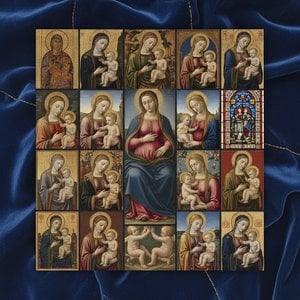
Embark on a sophisticated journey through art history with our curated guide to the most iconic Madonna and Child masterpieces. Discover the profound beauty, theological depth, and enduring legacy of these sacred Renaissance treasures.
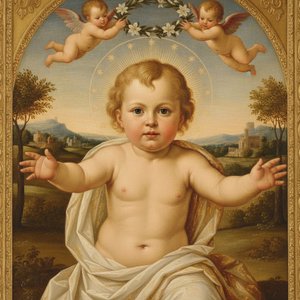
Explore the profound beauty of Baby Jesus in fine art history. From Raphael's Renaissance masterpieces to symbolic light, discover how classical painters captured divine innocence through masterful technique and sacred iconography.
Explore the exquisite elegance of International Gothic art. Discover the mastery of illuminated manuscripts, the brilliance of gold leaf, and the legacy of the Limbourg Brothers in this expert guide to Europe's sophisticated medieval dawn.


 プレビュー
プレビュー
 シェアする
シェアする シェアする
シェアする
 詳細を見る
詳細を見る

 ダウンロード
 似ている作品
 X線調査
X線調査 スライドショー
 統計情報
統計情報 詳細を見る
詳細を見る









 ガラスオプションは、110cm未満のサイズでのみご利用いただけます。


