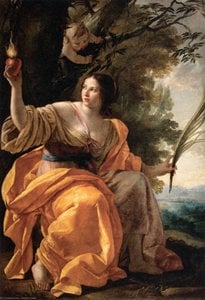
Acrylic On CanvasWallArtBaroque
 1630
1630 100.0 x 84.0 cm
 Szépművészeti Múzeum
スピーディーな制作と多彩な仕上げオプションが魅力の、ミュージアムクオリティなジークレー・キャンバスプリント。 ( 手描きの複製画を注文する デジタル画像販売へ切り替え)





























作品のオリジナル比率に合わせた、当店の規定サイズからお選びください。

額縁や壁のスペースに合わせて、ご希望の幅と高さを入力してください。プリントはカットすることは可能ですが、元の画像より大きくすることはできないため、異なる比率のサイズを選択された場合は、画像の一部が欠けることになります。印刷を開始する前に、内容を確認していただくためのデジタルモックアップをお送りいたします。このページに表示されている画像は、実際のカット後の状態を示すものではありません。実際の仕上がりはモックアップにてご確認ください。
Sleeping Venus
複製画サイズ一覧
Simon Vouet's "Sleeping Venus," painted around 1630, is not merely a depiction of a reclining nude; it’s an exquisite distillation of Renaissance ideals and the burgeoning Baroque aesthetic. This captivating work transcends simple portraiture, offering instead a profound meditation on beauty, repose, and the delicate balance between earthly pleasure and spiritual contemplation. The painting immediately draws the viewer into a world of hushed tranquility, inviting us to share in the woman's peaceful slumber – a rare and deliberate choice for art of that era.
Vouet, a pivotal figure in transitioning French painting from Mannerism to the Baroque, masterfully employed techniques honed during his extensive travels through Italy. He absorbed the influence of artists like Raphael and Leonardo da Vinci, particularly their understanding of light and shadow – crucial elements evident in the soft, diffused illumination that bathes Venus’s form. The artist's meticulous attention to detail is remarkable; from the subtle folds of her drapery to the delicate curve of her lips, every element contributes to a sense of palpable realism, yet imbued with an ethereal quality.
The choice of Venus asleep holds significant symbolic weight. In classical mythology, Venus is the goddess of love and beauty, but here she’s presented not as a vibrant, active force, but in a state of serene repose. This isn't simply an image of physical beauty; it speaks to a deeper concept – the ideal of inner grace and spiritual harmony. The clouds beneath her suggest a realm beyond earthly concerns, hinting at a connection with the divine. The positioning of her head, slightly tilted back, evokes a sense of vulnerability and trust, as if she’s surrendering entirely to the peace of her dreams.
Furthermore, the inclusion of the tree branch extending from the upper left corner adds another layer of meaning. Trees often symbolize life, growth, and connection to nature – elements that complement Venus's association with fertility and abundance. The branches subtly frame the figure, emphasizing her centrality within the composition and reinforcing the painting’s overall theme of harmonious integration.
"Sleeping Venus" is a quintessential example of the artistic climate in 17th-century France, a period marked by a renewed interest in classical antiquity and a shift towards more dynamic and emotionally charged forms of art. Vouet’s work reflects this transition, moving away from the stylized elegance of Mannerism toward the richer colors, dramatic lighting, and heightened realism characteristic of the Baroque. It was commissioned during a time when royal patronage fueled artistic innovation, allowing artists like Vouet to experiment with new techniques and explore ambitious subjects.
The painting’s creation coincided with the rise of Louis XIII and Cardinal Richelieu, who were both avid collectors of art and sought to elevate French culture through lavish displays of wealth and power. Vouet's work served as a powerful symbol of royal authority and artistic excellence, contributing to the grandeur of Versailles and other prominent palaces.
Reproducing "Sleeping Venus" today offers an opportunity to bring this timeless masterpiece into any setting. A carefully crafted print or canvas reproduction captures not only the painting’s visual beauty but also its underlying emotional resonance. The soft, luminous quality of the original is faithfully replicated, creating a piece that will grace any room with an air of serenity and sophistication. Consider framing it in a classic style to further enhance its historical context and artistic merit.
Whether you're an art enthusiast, a collector seeking to expand your collection, or simply someone looking for a stunning addition to your home décor, Simon Vouet’s “Sleeping Venus” remains a testament to the enduring power of beauty, tranquility, and artistic genius.
Baroqueのムーブメントにおいて、「Sleeping Venus」はTranquilなトーンで描かれています。
シモン・ヴーエ作「Sleeping Venus」は、明部と暗部の間にBoldなコントラストを描き出しています。
「Sleeping Venus」は、Baroqueの作品として1630年に制作されました。制作年と様式は、美術史におけるこの作品の位置付けを明確にするものです。

シモン・ヴーエは、フランス絵画がマニエリスムからバロック様式へと移行する過程において極めて重要な人物でした。画家であった父ローランと芸術を志した兄オーバンという芸術家一家に生まれ、幼少期からの訓練が彼の将来の成功の礎を築きました。彼の孫であるルドヴィコ・ドリニーは、この家の芸術的な系譜を受け継ぐことになります。
イタリア滞在中、ヴーエは多岐にわたる影響を吸収しました。彼はカラヴァッジョが切り開いた劇的な光の技法を研究し、イタリア・マニエリスムの要素を取り入れました。また、パオロ・ヴェロネーゼが用いた色彩パレットやdi sotto in su(下方から上方への遠近法)を丹念に分析しました。さらに、カラッチ、グエルチーノ、ランフランコ、グイド・レニらの作品からもインスピレーションを得て、これら多様な様式を独自の芸術的ビジョンへと昇華させていったのです。
シモン・ヴーエの遺産は、イタリアとフランスという二つの芸術文化を結ぶ架け橋としての彼の役割に根ざしています。彼はイタリアバロックの持つ躍動感と壮大さを巧みに輸入し、それをフランス宮廷や貴族の嗜好に響く様式へと昇華させたのです。17世紀のフランス絵画の発展における彼の影響力は否定できず、その貢献は今日に至るまで美術史家たちから認められ続けています。

1590 - 1649 , フランス

バロック様式の歴史、絵画、家具の魅力をご紹介。WahooArtでは、高品質な油絵複製やカスタムポートレートをご提供し、現代のインテリアに壮麗さと情感を取り入れます。アートコンサルテーションも承ります。

Explore the dramatic world of Baroque art! Discover iconic artists like Caravaggio & Rubens, defining techniques, and its lasting impact on art history. Expert insights for collectors & enthusiasts at WahooArt.

Explore the captivating history of nude art! Discover iconic paintings & artists from classical to modern eras. Uncover symbolism, techniques & find museum-quality reproductions at WahooArt.
Explore the life & art of Simon Vouet, a pivotal French Baroque painter who introduced Italian styles to France. Discover his masterpieces and lasting influence on 17th-century art.

Explore the life & art of Charles Le Brun, master of French Baroque Classicism. Discover his royal commissions, influence on Versailles, and enduring legacy through detailed analysis & stunning artworks.

 設置イメージを確認
 送る
送る シェア
シェア
 詳細情報
詳細情報 ガイドを表示

 画像をダウンロード
 似ている作品
 X線調査
X線調査 スライドショー
 統計情報
統計情報 続きを読む
続きを読む









 ガラスオプションは、110cm未満のサイズでのみご利用いただけます。