
 Oil On CanvasWallArtBaroque
 1621Early Modern
 129.0 x 95.0 cm
 ルーブル美術館
当社のアーティストが、お客様のご希望のサイズと額縁に合わせて、キャンバスに手描きで制作する油彩画です。 ( プリント版に切り替え デジタル画像販売へ切り替え)





























作品のオリジナル比率に合わせた、当店の規定サイズからお選びください。

特定のフレームやスペースに合わせて、ご希望のサイズをご入力いただけます。選択されたサイズが元の画像の比率と異なる場合、アートワークをトリミングするか、手描きで要素を追加して絵画を拡張いたします。デジタルモックアップ を制作し、制作開始前にご確認(承認)をいただきます。
画面上のプレビューは、実際のトリミングや拡張を正確に反映しているものではありません。最終的な構図は、モックアップによってのみ正確にご確認いただけます。
カスタムサイズもご利用いただけますが、元の比率を維持するためには、あらかじめ用意されたリストからサイズを選択することをお勧めいたします。

Prince Marcantonio Doria
複製画のサイズ
In the hallowed halls of the Musée du Louvre, there exists a window into the soul of the seventeenth century, captured through the masterful brushstrokes of Simon Vouet. His portrait of Prince Marcantonom Doria is far more than a mere likeness; it is a profound encounter with the weight of nobility and the dramatic intensity of the Baroque era. As one stands before this canvas, the Prince’s steady, piercing gaze seems to bridge the vast chasm of time, demanding an immediate and visceral connection from the viewer. Vouet, a pioneer who bridged the gap between Italian dynamism and French elegance, imbues this work with a psychological depth that transcends the formal requirements of aristocratic portraiture.
The composition is a masterclass in the use of chiaroscuro, the dramatic interplay of light and shadow that defines the Baroque spirit. The background remains shrouded in an enigmatic darkness, a void that serves to push the subject forward, making his presence feel almost sculptural. From the left, a soft yet decisive light washes over the Prince’s features, illuminating the intricate textures of his attire and the subtle contours of his face. This lighting does not merely reveal; it sculpts, creating a sense of three-dimensionality that breathes life into the dark pigments. The slight furrow in his brow and the meticulous rendering of his curly hair suggest a man of deep thought and formidable character, caught in a moment of quiet, commanding stillness.
Every element within this portrait serves as a silent herald of the subject's station and the cultural values of 1621. The Prince is adorned in the height of contemporary fashion, most notably the crisp, white ruff collar. This intricate piece of linen, with its rhythmic folds and delicate texture, acts as a luminous frame for his face, drawing the eye toward his expression. Beneath this, the dark, high-collared shirt provides a stark, somber contrast that emphasizes the brilliance of the white lace, signaling both wealth and the disciplined restraint expected of his rank.
Adding a layer of spiritual and social significance is the cross pendant suspended from a fine chain around his neck. This subtle detail serves as a poignant reminder of the era's deep religious devotion, suggesting that the Prince’s worldly power was inextricably linked to his faith. The grooming of his full beard and mustache—neat, dark, and precisely maintained—further reinforces an image of masculine authority and social refinement. For the collector or interior designer, such details offer a rich tapestry of meaning, making this piece an ideal centerpiece for spaces that celebrate heritage, history, and the enduring elegance of classical European tradition.
To possess a reproduction of Simon Vouet’s work is to invite the grandeur of the French Baroque into one's personal sanctuary. This painting is not merely an object of decoration; it is an atmospheric force. Its ability to command attention through subtle nuance rather than overwhelming color makes it a versatile choice for sophisticated interiors, ranging from traditional libraries to modern, minimalist galleries where a single, powerful focal point is desired. The emotional impact of the Prince’s serious, unwavering expression provides a sense of stability and timelessness.
As an art historian would observe, Vouet’s ability to balance the theatricality of his Italian training with a refined French sensibility makes this portrait a cornerstone of seventeenth-century achievement. For those seeking to surround themselves with works that evoke intellect, prestige, and a profound sense of history, the portrait of Prince Marcantonio Doria stands as an incomparable inspiration. It remains a testament to a period when art was used not just to decorate, but to immortalize the very essence of human dignity.

シモン・ヴーエは、フランス絵画がマニエリスムからバロック様式へと移行する過程において極めて重要な人物でした。画家であった父ローランと芸術を志した兄オーバンという芸術家一家に生まれ、幼少期からの訓練が彼の将来の成功の礎を築きました。彼の孫であるルドヴィコ・ドリニーは、この家の芸術的な系譜を受け継ぐことになります。
イタリア滞在中、ヴーエは多岐にわたる影響を吸収しました。彼はカラヴァッジョが切り開いた劇的な光の技法を研究し、イタリア・マニエリスムの要素を取り入れました。また、パオロ・ヴェロネーゼが用いた色彩パレットやdi sotto in su(下方から上方への遠近法)を丹念に分析しました。さらに、カラッチ、グエルチーノ、ランフランコ、グイド・レニらの作品からもインスピレーションを得て、これら多様な様式を独自の芸術的ビジョンへと昇華させていったのです。
シモン・ヴーエの遺産は、イタリアとフランスという二つの芸術文化を結ぶ架け橋としての彼の役割に根ざしています。彼はイタリアバロックの持つ躍動感と壮大さを巧みに輸入し、それをフランス宮廷や貴族の嗜好に響く様式へと昇華させたのです。17世紀のフランス絵画の発展における彼の影響力は否定できず、その貢献は今日に至るまで美術史家たちから認められ続けています。

1590 - 1649 , フランス

バロック様式の歴史、絵画、家具の魅力をご紹介。WahooArtでは、高品質な油絵複製やカスタムポートレートをご提供し、現代のインテリアに壮麗さと情感を取り入れます。アートコンサルテーションも承ります。
Explore 10 iconic white paintings by Monet, Whistler & Rothko! Discover the stories behind these serene masterpieces and their impact on art history. Find museum-quality reproductions for your home decor at .

Explore the dramatic world of Baroque art! Discover iconic masters like Caravaggio & Rembrandt, their techniques, and the movement's lasting impact. Expert insights for collectors & enthusiasts at WahooArt.

Explore the dramatic world of Baroque art! Discover iconic artists like Caravaggio & Rubens, defining techniques, and its lasting impact on art history. Expert insights for collectors & enthusiasts at WahooArt.
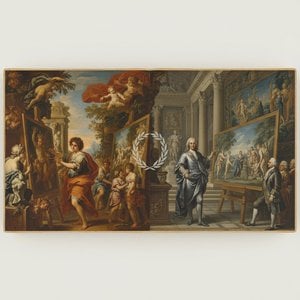
Explore the life & art of Simon Vouet, a pivotal French Baroque painter who introduced Italian styles to France. Discover his masterpieces and lasting influence on 17th-century art.


 プレビュー
プレビュー
 シェアする
シェアする シェアする
シェアする
 詳細を見る
詳細を見る ガイド
ガイド

 ダウンロード
 似ている作品
 X線調査
X線調査 スライドショー
 統計情報
統計情報 詳細を見る
詳細を見る









 ガラスオプションは、110cm未満のサイズでのみご利用いただけます。


