プレビュー ARで試着 プリント版に切り替え デジタル画像販売へ切り替え シェアする
詳細を見る お気に入りに追加 ダウンロード 似ている作品 X線調査 スライドショー 統計情報

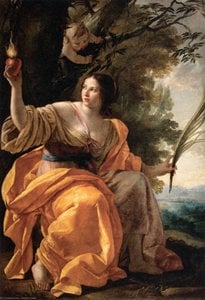
Parnassus or Apollo and the Muses

Simon Vouet's "Parnassus or Apollo & the Muses" (1640) depicts Greek gods and goddesses on Mount Parnassus, a masterpiece of French Baroque art with rich detail and harmonious composition.

シモン・ヴーエ(1590-1649)の生涯と芸術を探る。彼はイタリア様式を導入し、17世紀フランス美術を形作った重要なバロック画家でした。

手描き油彩複製画

当社のアーティストが、お客様のご希望のサイズと額縁に合わせて、キャンバスに手描きで制作する油彩画です。 ( プリント版に切り替え デジタル画像販売へ切り替え)

P118B $10
P118H $10
P118W $10
P438Z $10
P508JH $12
P508YH $12
P805H $10
P805Z $10
P919BZ $10
P919G $10
P919XJ $10
P959ZH $10
P968JZ $12
W106C $8
W218G $10
W218JH $8
W218Y $10
W307PJ $10
W316G $10
W316PJ $8
W316Y $10
W398PJ $8
W4111J $10
W500HY $15
W500JH $15
W692G $12
W849H $8
W940BG $15
W953PJ $8

標準サイズ
オーダーメイド
CM
INCH

作品のオリジナル比率に合わせた、当店の規定サイズからお選びください。

高さ

特定のフレームやスペースに合わせて、ご希望のサイズをご入力いただけます。選択されたサイズが元の画像の比率と異なる場合、アートワークをトリミングするか、手描きで要素を追加して絵画を拡張いたします。デジタルモックアップ を制作し、制作開始前にご確認(承認)をいただきます。
画面上のプレビューは、実際のトリミングや拡張を正確に反映しているものではありません。最終的な構図は、モックアップによってのみ正確にご確認いただけます。
カスタムサイズもご利用いただけますが、元の比率を維持するためには、あらかじめ用意されたリストからサイズを選択することをお勧めいたします。

カスタマイズの例:顔をお客様の写真に置き換える、ペットを追加する(例:猫を犬に変更)、背景に隠れたメッセージを入れる、背景の風景や要素を変更するなど。
ご注文後、WahooArt.com チームより詳細な指示をお送りするとともに、仕上がりイメージ(モックアップ)をご提供いたします。

世界中への配送()は、通常の5週間ではなく、3〜4週間でお届けいたします。(17 9月)。品質には一切妥協いたしません。

why_choose_icon
世界中へ無料エクスプレス配送
why_choose_icon
高品質なリネンキャンバス
why_choose_icon
配送時完全保険付
why_choose_icon
関税・輸入税の払い戻し保証
why_choose_icon
忠実な色彩再現保証
why_choose_icon
100日間返品保証(製造上の欠陥がある場合のみ)
why_choose_icon
100% 全額返金保証
why_choose_icon
まとめ買い割引のご案内

合計金額

$ 272

reproduction

Parnassus or Apollo and the Muses

複製技法

複製画のサイズ

-

合計金額

$ 272

作品詳細

  • Title: Parnassus or Apollo and the Muses
  • Year: 1640
  • Medium: Oil on panel
  • Location: Private Collection
  • Artist: Simon Vouet
  • Artistic style: Classicism, Italian Baroque
  • Dimensions: 88 x 221 cm

アート・クイズ

各質問の正解は1つだけです。

問題 1:
What is the primary subject depicted in Simon Vouet’s ‘Parnassus or Apollo and the Muses’?
問題 2:
According to the description, what artistic style is prominently featured in ‘Parnassus or Apollo and the Muses’?
問題 3:
In the image description, what is emphasized regarding Apollo's pose and expression?
問題 4:
Simon Vouet was a pivotal figure in the transition of French painting. What period did he primarily work during?
問題 5:
Based on the provided information, what was Simon Vouet’s role in French art during his career?

A Celestial Gathering: Simon Vouet’s “Parnassus or Apollo and the Muses”

Simon Vouet's "Parnassus or Apollo and the Muses," painted around 1640, isn’t merely a depiction of Greek mythology; it’s an immersive experience—a carefully constructed tableau of intellectual pursuit, divine inspiration, and harmonious beauty. The painting, now housed in collections worldwide, captures a pivotal moment on Mount Parnassus, the legendary home of the Muses – goddesses who preside over arts and sciences. Vouet, a key figure in transitioning French art from Mannerism to the Baroque, masterfully blends Italian influences with his own distinctly French sensibility, creating an image that resonates with both classical grandeur and intimate human connection. The sheer scale of the work—measuring 88 x 221 cm—draws the viewer into this vibrant scene, inviting them to become a silent participant in the gathering.

A Baroque Symphony of Light and Color

Vouet’s technique is characterized by a remarkable realism combined with an idealized elegance – hallmarks of the Baroque style. He employs *sfumato*, a subtle blurring of lines and colors, to create a sense of atmospheric depth and volume, particularly evident in the drapery and the figures themselves. The palette is rich and luminous, dominated by warm earth tones—ochres, siennas, and reds—contrasted with cooler blues and greens that suggest the ethereal quality of Mount Parnassus. Light plays a crucial role; it’s not merely illuminating the scene but actively shaping it, emanating from unseen sources to bathe the figures in a golden glow. This masterful use of light creates an almost theatrical effect, as if we are witnessing a sacred performance. The composition is carefully balanced, with Apollo, the central figure, positioned at the heart of the gathering, radiating authority and artistic inspiration.

The Muses and Their Domains

At the center of this intellectual haven stands Apollo Musagetes, the leader of the Muses, engaged in playing a lyre. Each Muse is depicted with distinct attributes reflecting her specific domain: Calliope, the muse of epic poetry, holds a scroll; Terpsichore, the muse of dance, carries a flute; and Clio, the muse of history, clutches a laurel wreath. The arrangement isn’t random; it represents the interconnectedness of all artistic disciplines. The figures are not simply posed but engaged in conversation and activity—a lively exchange of ideas and creative sparks. Notice the details: the instruments, the books, the gestures – each element contributes to the painting's narrative richness. The inclusion of musical instruments underscores the importance of music as a source of inspiration for all the arts.

Symbolism and the Pursuit of Knowledge

“Parnassus or Apollo and the Muses” is laden with symbolism, reflecting the Renaissance fascination with classical learning and the pursuit of knowledge. Mount Parnassus itself represents the highest point of intellectual achievement—a place where inspiration flows freely. The gathering embodies the ideal of *studia humanitatis* – the study of humanities – a cornerstone of Renaissance education. Apollo’s role as the patron of the arts reinforces this theme, suggesting that artistic creation is divinely inspired and fundamentally linked to reason and intellect. The painting isn't just about beautiful imagery; it’s a meditation on the nature of creativity, the importance of learning, and the enduring power of human imagination.

A Timeless Masterpiece for Reflection and Inspiration

Vouet’s “Parnassus or Apollo and the Muses” remains a profoundly moving work of art. Its harmonious composition, luminous colors, and rich symbolism continue to captivate viewers centuries after its creation. Whether admired as a historical document, a technical masterpiece, or simply a beautiful image, it serves as a potent reminder of the enduring value of knowledge, creativity, and the pursuit of beauty in all its forms. Reproductions of this painting offer an opportunity to bring this celestial gathering into any space, fostering contemplation and inspiring a deeper appreciation for the arts.

アーティストの略歴

シモン・ヴーエ:フランス・バロック絵画の先駆者

  • 生没年: 1590年1月9日、フランス、パリ
  • 没年: 1649年6月30日、フランス、パリ

シモン・ヴーエは、フランス絵画がマニエリスムからバロック様式へと移行する過程において極めて重要な人物でした。画家であった父ローランと芸術を志した兄オーバンという芸術家一家に生まれ、幼少期からの訓練が彼の将来の成功の礎を築きました。彼の孫であるルドヴィコ・ドリニーは、この家の芸術的な系譜を受け継ぐことになります。

初期のキャリアとイタリアの影響(1608年~1627年)

  • 肖像画による出発: ヴーエは肖像画家としてキャリアをスタートさせ、早い段階からその才能を発揮しました。
  • イングランドへの渡航(1608年): わずか14歳の若さでイングランドへ渡り、依頼された肖像画を描き、その芽生え始めた名声を世に示します。
  • オスマン帝国とヴェネツィア: 1611年、ヴーエはオスマン帝国駐在のフランス大使バロン・ド・サンシーの随行員となり、再び肖像画制作のために旅に出ます。この旅路はコンスタンティノープルを通り、やがて1612年にヴェネツィアへと彼を導きました。
  • ローマでの研鑽(1614年~1627年): ローマでの日々は彼の人生を変貌させました。彼はこの地に十三年間留まり、勃興しつつあったバロック期の活気に満ちた芸術の光景に身を浸したのです。

イタリア滞在中、ヴーエは多岐にわたる影響を吸収しました。彼はカラヴァッジョが切り開いた劇的な光の技法を研究し、イタリア・マニエリスムの要素を取り入れました。また、パオロ・ヴェロネーゼが用いた色彩パレットやdi sotto in su(下方から上方への遠近法)を丹念に分析しました。さらに、カラッチ、グエルチーノ、ランフランコ、グイド・レニらの作品からもインスピレーションを得て、これら多様な様式を独自の芸術的ビジョンへと昇華させていったのです。

ヴーエ独自の様式の確立

  • サン・ルカ美術アカデミーへの選出(1624年): ローマでの成功は、彼が権威あるサン・ルカ美術アカデミーの会長に選出されるという形で結実し、イタリア美術界における彼の技量と評価を証明しました。
  • 影響の統合: ヴーエの様式を特徴づけていたのは、様々な芸術的影響を受け入れ、それを精髄として抽出する能力でした。彼は単に模倣したのではなく、それらの要素を調和のとれた、紛れもなくイタリア的なバロック美学へと統合させたのです。
  • フランスへのバロック様式の導入: 1627年にフランスへ帰国した後、ヴーエはイタリアのバロック様式をフランス絵画にもたらす上で決定的な役割を果たし、この国の芸術景観に大きな影響を与えました。

主要な功績と遺産

  • 王宮首席画家: ヴーエはPremier peintre du Roi(国王首席画家)という、計り知れない威信と影響力を持つ地位に任命されました。
  • 活発な工房の維持: 彼は大規模で活動的な工房を維持し、後の世代のフランス絵画の巨匠たちを育成しました。
  • 著名な弟子たち: 最も影響力の大きかった弟子たちには、ヴェルサイユ宮殿の装飾絵画全般を組織したシャルル・ルブラン、ヴァランタン・ド・ブローニュ、シャルル=アルフォンス・デュフレノワ、ピエール・ミニャール、ユスタッシュ・ルシュール、クロード・メランらが名を連ねます。
  • フランス美術への影響: ヴーエの影響は彼自身の作品に留まりませんでした。彼の弟子たちはその様式と技法をフランス全土に広め、独特のバロック絵画学派を確立しました。特にルイ14世が命じた壮大な装飾計画の中に、その影響は明白に見出されます。

歴史的意義

シモン・ヴーエの遺産は、イタリアとフランスという二つの芸術文化を結ぶ架け橋としての彼の役割に根ざしています。彼はイタリアバロックの持つ躍動感と壮大さを巧みに輸入し、それをフランス宮廷や貴族の嗜好に響く様式へと昇華させたのです。17世紀のフランス絵画の発展における彼の影響力は否定できず、その貢献は今日に至るまで美術史家たちから認められ続けています。

シモン・ヴーエ

シモン・ヴーエ

1590 - 1649 , フランス

基本情報

  • Artistic Movement Or Style: バロック絵画
  • Artists Or Movements Influenced By This Artist:
    • シャルル・ルブラン
    • ヴァランタン・ド・ブローニュ
    • フランスのバロック絵画
  • Artists Who Influenced This Artist:
    • カラヴァッジオ
    • パオロ・ヴェロネーゼ
    • カラッチ
    • ゲルチーノ
    • ランフランコ
    • グイド・リニ
  • Date Of Birth: 1590年1月9日
  • Date Of Death: 1649年6月30日
  • Full Name: シモン・ヴーエ
  • Nationality: フランス人
  • Place Of Birth: パリ、フランス
テーマ、スタイル、特徴別に分類された作品を探索しましょう。