x


 Oil On CanvasWallArtImpressionism
 1864
1864 20.0 x 26.0 cm
 ピッティ宮殿




























作品のオリジナル比率に合わせた、当店の規定サイズからお選びください。

特定のフレームやスペースに合わせて、ご希望のサイズをご入力いただけます。選択されたサイズが元の画像の比率と異なる場合、アートワークをトリミングするか、手描きで要素を追加して絵画を拡張いたします。デジタルモックアップ を制作し、制作開始前にご確認(承認)をいただきます。
画面上のプレビューは、実際のトリミングや拡張を正確に反映しているものではありません。最終的な構図は、モックアップによってのみ正確にご確認いただけます。
カスタムサイズもご利用いただけますが、元の比率を維持するためには、あらかじめ用意されたリストからサイズを選択することをお勧めいたします。

The pergola
複製画のサイズ
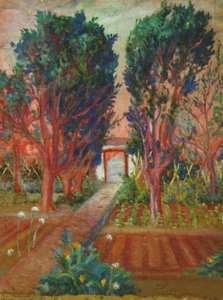
Silvestro Lega’s “The Pergola,” painted in 1864, isn't merely a depiction of an outdoor scene; it’s a carefully constructed tableau that invites the viewer to step into a moment of quiet contemplation. This oil on canvas, now housed within the Civica Galleria d’Arte Moderna in Milan, exemplifies Lega’s mastery of the Macchiaioli movement – a group dedicated to capturing the fleeting effects of light and color with an unprecedented immediacy. More than just a pretty landscape, “The Pergola” offers a glimpse into the heart of 19th-century Italian life, subtly imbued with themes of leisure, family, and the beauty of the everyday.
At first glance, the painting presents a simple composition: a central pathway winding through a meticulously rendered pergola, flanked by walls adorned with terracotta pots overflowing with greenery. A few figures – women seated on benches beneath the shade – engage in conversation, their postures relaxed and suggesting an intimate gathering. However, closer inspection reveals a sophisticated interplay of light, shadow, and texture that elevates the scene beyond mere representation. Lega’s technique is characterized by “macchia,” a hallmark of the Macchiaioli: areas of concentrated color applied with loose, expressive brushstrokes, creating a sense of vibrancy and immediacy. The colors are rich and earthy – ochres, browns, greens, and hints of terracotta – evoking the warmth of the Italian sun and the tactile quality of stone and foliage.
Lega’s association with the Macchiaioli profoundly shaped his artistic approach. Unlike traditional academic painting that prioritized meticulous detail and idealized forms, the Macchiaioli sought to capture the *impression* of a scene – the way light falls upon surfaces, the fleeting effects of atmosphere. “The Pergola” embodies this philosophy perfectly. Lega’s use of broken brushstrokes and unblended colors mimics the way our eyes perceive color and light in nature. This commitment to *plein air* painting—working directly from observation outdoors—allowed him to translate the immediacy of his experience onto the canvas, creating a sense of authenticity and spontaneity.
The influence of Luigi Mussini, Lega’s early mentor, is also evident. Mussini emphasized the importance of drawing and construction – principles that are subtly incorporated into Lega's work. The pergola itself is rendered with careful attention to its geometric structure, providing a stable anchor for the more loosely painted figures and foliage. This balance between structured form and expressive brushwork is a key characteristic of Lega’s style.
Beyond its aesthetic qualities, “The Pergola” carries subtle symbolic weight. The pergola itself represents a space of refuge and leisure – a place for relaxation and social interaction. The women depicted are likely members of the Batelli family, with whom Lega lived in his later years, providing a glimpse into the domestic life of the Italian countryside. The scene evokes a sense of *dolce far niente*—the sweetness of doing nothing—a concept deeply rooted in Italian culture.
Painted during a period of significant social and political change in Italy – the Risorgimento (unification movement) – “The Pergola” can also be interpreted as a celebration of national identity. Lega’s focus on everyday life and his commitment to capturing the beauty of the Italian landscape reflected a desire to preserve and celebrate the nation's cultural heritage.
Silvestro Lega’s “The Pergola” remains a captivating work of art, offering viewers a timeless glimpse into the heart of 19th-century Italian realism. WahooArt.com offers high-quality reproductions of this iconic painting, allowing you to bring its serene beauty and evocative atmosphere into your home or office. Whether you’re an art collector, interior designer, or simply someone who appreciates fine art, a reproduction of “The Pergola” is sure to be a cherished addition to your collection.

19世紀イタリア美術を代表する画家の一人、シルヴェストロ・レガ(Silvestro Lega)。彼の名は、マッキアイオーリ運動を牽引した芸術家として広く知られている。しかし、レガの真価は、単なるリアリズムの追求にとどまらず、その作品に息づく繊細な人間観察と、激動する時代精神との深い結びつきにあると言えるだろう。フォールーリ近郊のモディリアナに生まれた彼は、豊かな自然と家族の温かさに包まれた幼少期を過ごし、それが後の彼の絵画における穏やかな情景描写へと繋がっていく。
当初、レガの作風はアカデミックな様式から大きく逸脱することはなかった。同時代のディエゴ・マルテッリが指摘するように、彼はカフェ・ミケランジェロでの活発な議論に積極的に参加するタイプではなかった。しかし、1859年頃から彼の作品には変化が現れ始め、ムッシーニの厳格な様式から脱却し、より写実的な表現へと移行していく。この転換は、モディリアナの聖母マリア礼拝堂のために描かれた一連の壁画(1858-1863)に顕著に見られる。
レガの代表作としては、「庭での散歩」(1870年)、"Il Pergolato”(「食後のひととき」としても知られる)(1864年)、「ドン・ジョヴァンニ・ヴェリタ邸宅」(1885年)、「庭にて」(1883年)、そして「ベッラリーヴァの庭」(1884年)などが挙げられる。彼の作風は、伝統的な構図と現代的な色彩感覚のバランスが特徴的である。直接観察に基づいた緻密な描写と、透明感のある色彩表現によって、イタリアの風景や人々の生活を生き生きと描き出した。
レガの人生には悲劇も訪れた。1870年に同棲していたヴィルジニア・バテッリを亡くし、さらに3人の兄弟を失ったことで、深い悲しみと絶望に打ちひしがれ、4年間の沈黙(1874-1878)を余儀なくされた。しかし、彼は芸術への情熱を諦めなかった。カミーユ・ピサロの作品に感銘を受け、フィレンツェでオドアルド・ボラーニと共に画廊を開設したが、短期間で閉鎖してしまった。晩年にはトマッシ家の息子たちの家庭教師として生活を安定させ、新たな創作意欲を見出した。彼の最後の作品である「ガバッリジャーネ」は、視力の低下にもかかわらず、写実主義への揺るぎない姿勢を示している。
シルヴェストロ・レガの功績は、伝統的な構図技法とマッキアイオーリ運動の新しい写実主義的感覚を融合させた点にある。彼はイタリアの生活の本質を繊細な筆致で捉え、今日でも多くの人々に感動を与え続けている。彼の日常的な題材への着目によって、それまで芸術的に評価されていなかった人々や風景が新たな価値を見出し、19世紀ヨーロッパ美術における写実主義の発展に大きく貢献した。

1826 - 1895 , イタリア

Elevate your collection with the tactile elegance of hand-painted oil masterpieces. From bespoke reproductions to custom portraits from photography, discover museum-quality artistry crafted by academy-trained experts for discerning collectors and designers worldwide.

Master the nuances of Impressionism vs. Post-Impressionism with our expert guide. Explore the revolutionary shift from Monet’s fleeting light to Van Gogh’s emotional depth. Discover how these iconic movements continue to inspire fine art collectors and modern interiors today.

Discover the profound allure of oil on canvas. Explore the mastery of impasto textures, the science of pigment longevity, and expert guides to selecting museum-quality reproductions that elevate your collection with timeless elegance and tactile depth.


最新の美術ニュース、限定オファー、そしてインテリアのアイデアをいち早くお届けします。
お客様のプロジェクトについてお聞かせください。当社の美術専門家が、お客様に合わせた3つのパーソナライズされた芸術提案をご提供いたします。
あなたにぴったりの3作品を無料で厳選いたします


 プレビュー
プレビュー
 プリントを購入
 シェアする
シェアする シェアする
シェアする
 詳細を見る
詳細を見る

 ダウンロード
 似ている作品
 X線調査
X線調査 スライドショー
 詳細を見る
詳細を見る









 ガラスオプションは、110cm未満のサイズでのみご利用いただけます。