

 PastelBaroque Portraiture
 181019th Century
 51.0 x 38.0 cm
 Beethoven-Haus Bonn
当社のアーティストが、お客様のご希望のサイズと額縁に合わせて、キャンバスに手描きで制作する油彩画です。 ( Switch to Print Switch to Digital Image)





























作品のオリジナル比率に合わせた、当店の規定サイズからお選びください。

特定のフレームやスペースに合わせて、ご希望のサイズをご入力いただけます。選択されたサイズが元の画像の比率と異なる場合、アートワークをトリミングするか、手描きで要素を追加して絵画を拡張いたします。デジタルモックアップ を制作し、制作開始前にご確認(承認)をいただきます。
画面上のプレビューは、実際のトリミングや拡張を正確に反映しているものではありません。最終的な構図は、モックアップによってのみ正確にご確認いただけます。
カスタムサイズもご利用いただけますが、元の比率を維持するためには、あらかじめ用意されたリストからサイズを選択することをお勧めいたします。

Franz Brentano (1765-1844) with his daughters Maximiliane and Josepha - pastel painting by Nikolaus Lauer
複製画のサイズ
Nikolaus Lauer’s 1810 pastel painting, “Franz Brentano (1765-1844) with his daughters Maximiliane and Josepha,” offers a poignant glimpse into the domestic life of a German family during a pivotal era. Measuring a modest 51 x 38 cm, this work, currently residing at the Beethoven-Haus Bonn, transcends its physical dimensions to evoke a powerful sense of familial connection and quiet dignity. Lauer’s masterful use of pastel – a technique favored for its delicate hues and luminous effects – immediately draws the viewer into the scene, creating an atmosphere both intimate and timeless.
Created in 1810, the painting captures Franz Brentano – likely a respected member of his community – alongside his two daughters, Maximiliane and Josepha. The composition is remarkably naturalistic; Lauer avoids overly formal poses, instead presenting the family engaged in an activity that suggests everyday life. While the precise nature of their interaction isn’t explicitly depicted, the scene exudes warmth and affection. This was a time of significant social change in Europe, and portraits like this offer valuable insights into the lives of ordinary people – their roles within the family, their status in society, and their connection to the broader cultural landscape.
The painting’s emotional impact lies not just in its technical skill but also in its ability to evoke a sense of nostalgia and familial warmth. The soft pastel tones contribute significantly to this effect, creating an atmosphere of serenity and contemplation. The presence of the children adds a layer of innocence and vulnerability to the scene, reminding us of the preciousness of family bonds. Lauer’s careful attention to detail – from the texture of the fabric to the expressions on the subjects' faces – invites viewers to connect with this family on a deeply personal level. The work stands as a testament to Lauer’s ability to capture not just likenesses, but also the essence of human relationships.


1753 - 1824 , Germany
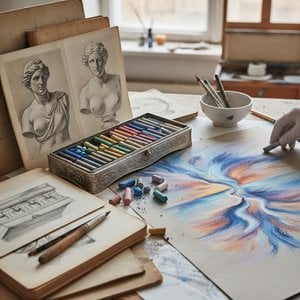
Explore the ethereal beauty of pastel art. Discover how Impressionist masters used soft hues and velvety textures to capture light. A professional guide for art enthusiasts seeking to understand, collect, and appreciate the delicate magic of this timeless medium.

 プレビュー
プレビュー
 シェアする
シェアする シェアする
シェアする
 詳細を見る
詳細を見る

 ダウンロード
 似ている作品
 X線調査
X線調査 スライドショー
 Stats
Stats 詳細を見る
詳細を見る









 ガラスオプションは、110cm未満のサイズでのみご利用いただけます。


