
当社のアーティストが、お客様のご希望のサイズと額縁に合わせて、キャンバスに手描きで制作する油彩画です。 ( プリント版に切り替え デジタル画像販売へ切り替え)





























作品のオリジナル比率に合わせた、当店の規定サイズからお選びください。

特定のフレームやスペースに合わせて、ご希望のサイズをご入力いただけます。選択されたサイズが元の画像の比率と異なる場合、アートワークをトリミングするか、手描きで要素を追加して絵画を拡張いたします。デジタルモックアップ を制作し、制作開始前にご確認(承認)をいただきます。
画面上のプレビューは、実際のトリミングや拡張を正確に反映しているものではありません。最終的な構図は、モックアップによってのみ正確にご確認いただけます。
カスタムサイズもご利用いただけますが、元の比率を維持するためには、あらかじめ用意されたリストからサイズを選択することをお勧めいたします。

Grass and Insects
複製画のサイズ
“Grass and Insects,” a captivating panel from Shin Saimdang’s renowned ten-panel folding screen, offers a remarkably intimate glimpse into the world of 16th-century Korea. More than just a beautiful depiction of nature, this artwork embodies the artistic sensibilities, philosophical leanings, and profound life experiences of one of Korea's most celebrated female artists – Shin Saimdang herself. Created during her time as a devoted mother and wife, it’s a poignant testament to her multifaceted talents and a rare opportunity to connect with a woman who defied societal expectations to leave an enduring legacy.
The painting itself is executed in the meticulous style characteristic of Joseon-era Korean art – a harmonious blend of delicate brushstrokes and vibrant colors. Shin Saimdang’s signature approach emphasizes fine detail, capturing the subtle textures of grass blades, the iridescent shimmer of insects' wings, and the verdant hues of foliage with remarkable precision. The composition is carefully balanced, drawing the eye through a layered landscape teeming with life. Notice how she masterfully utilizes negative space to create depth and movement, guiding the viewer’s gaze across the scene.
Beyond its aesthetic beauty, “Grass and Insects” is rich in symbolic meaning. The inclusion of a diverse array of flora and fauna – from delicate poppies and hibiscus to industrious dung beetles and graceful dragonflies – speaks volumes about Shin Saimdang’s understanding of the natural world. Each element carries specific connotations within Joseon culture: watermelons represent prosperity, eggplants symbolize longevity, while insects often represented transformation and rebirth. The careful arrangement suggests a deep appreciation for the interconnectedness of all living things.
The presence of rodents, particularly mice, is particularly noteworthy. In Korean folklore, mice were associated with good fortune and abundance – a subtle nod to Shin Saimdang’s own family's prosperity during her lifetime. The inclusion of elements like “long-headed grasshoppers” and “princess feathers” further adds layers of meaning, hinting at the artistry and refinement valued within Joseon society.
“Grass and Insects” is inextricably linked to Shin Saimdang’s personal life. The folding screen itself was a gift from her husband, Lee Won-su, a testament to his love and admiration for her artistic abilities. It's believed that the painting reflects her deep connection to nature, mirroring the serene beauty of Ojukheon, her family home in Gangneung – a place she cherished deeply. The inclusion of the critique by O Sechang, a prominent calligrapher and art critic of the late 19th and early 20th century, adds another layer of historical context, highlighting the enduring value placed on artistic merit within Korean culture.
Shin Saimdang’s story is one of remarkable resilience and creativity. Despite facing societal constraints as a woman in a patriarchal society, she pursued her passions with unwavering determination, leaving behind a body of work that continues to inspire and captivate audiences centuries later. “Grass and Insects” stands as a powerful reminder of her artistic genius and the profound impact of a truly exceptional individual.
Reproductions of “Grass and Insects” offer a beautiful way to bring this exquisite artwork into your home or office. Whether you choose a high-quality print on canvas, paper, or even a custom-framed textile reproduction, you'll be able to appreciate the intricate details and vibrant colors that define Shin Saimdang’s masterpiece. Consider how the painting’s serene imagery can contribute to a sense of tranquility and connection with nature – a timeless aesthetic appeal that transcends generations.
Explore further resources like the National Museum of Korea's collection, or delve into biographical accounts of Shin Saimdang to gain an even deeper understanding of this remarkable artist and her enduring legacy.


1504 - 1551 , 韓国
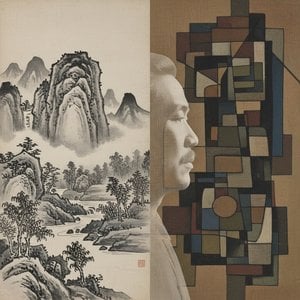
Explore the captivating world of Yi Eungro (Lee Ungno), a pivotal figure in Korean modernism. Discover his unique fusion of Eastern and Western artistic traditions, abstract masterpieces, and lasting legacy. A must-read for discerning art collectors.
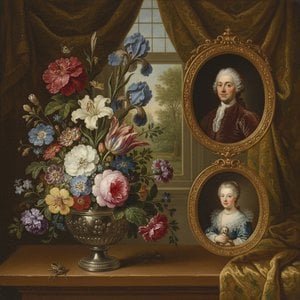
Discover the exquisite detail of Jan van Kessel the Elder's Baroque floral still lifes & captivating miniatures. Explore his artistic legacy, scientific precision, and lasting influence on 17th-century Flemish painting.


 プレビュー
プレビュー
 シェアする
シェアする シェアする
シェアする
 詳細を見る
詳細を見る

 ダウンロード
 似ている作品
 X線調査
X線調査 スライドショー
 統計情報
統計情報


 詳細を見る
詳細を見る









 ガラスオプションは、110cm未満のサイズでのみご利用いただけます。


