
x


迅速な制作と多彩な仕上げオプションを備えた、ミュージアムクオリティのジークレーまたはキャンバスプリント。 ( 手描きの絵画を購入 画像を購入)





























作品のオリジナル比率に合わせた、当店の規定サイズからお選びください。

特定のフレームやスペースに合わせて、ご自身でサイズを指定することも可能です。選択されたサイズが元の画像の比率と一致しない場合、作品をトリミングするか、鏡面反射または単色での塗りつぶしによって画像を拡張いたします。制作を開始する前に、ご確認用のデジタルモックアップをお送りいたします。
画面上のプレビューには、実際のトリミングや拡張は反映されませんのでご注意ください。最終的な構図を正確に確認できるのは、モックアップのみとなります。
カスタムサイズも承っておりますが、元の比率を維持するためには、あらかじめ用意されたリストからサイズを選択することをお勧めいたします。

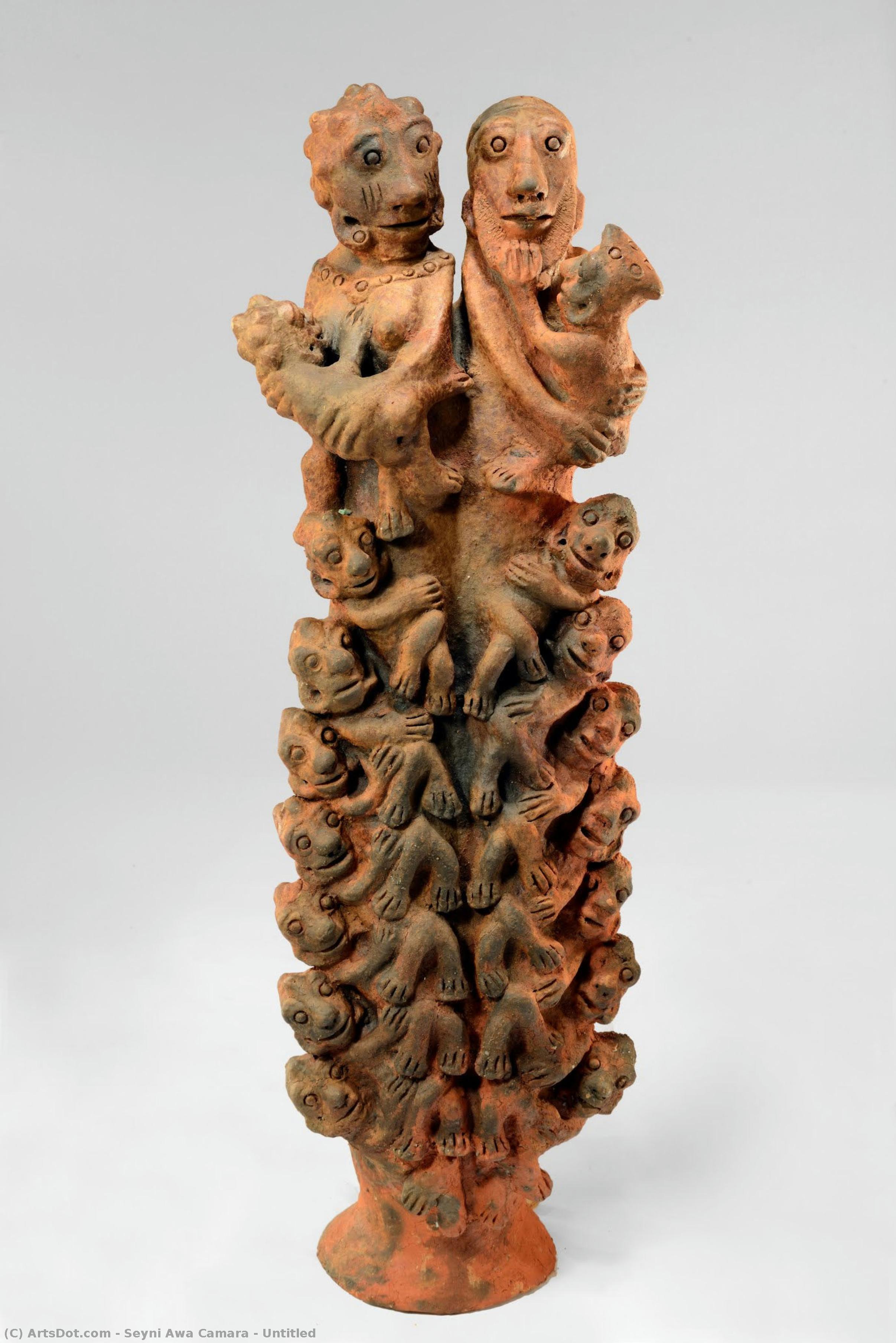
Untitled
複製画のサイズ
In the heart of Bignona, Senegal, where the air carries the weight of ancient stories and the scent of damp earth, the sculptures of Seyni Awa Camara emerge as profound witnesses to a vanishing world. Born around 1945, Camara did not merely practice an art form; she acted as a bridge between the tangible present and the ethereal realm of her ancestors. Her work, often described as totemic, transcends simple ceramic craft to become a spiritual dialogue. To encounter her figures is to meet the spirits of the Casamance region, rendered in clay with a raw, visceral energy that demands both reverence and reflection.
The genesis of Camara’s creative spirit is steeped in the mystical and the maternal. Raised in Oussouye, she was shaped by a dual heritage: the nomadic influence of her father, a Sousou man from Guinea, and the deep-rooted Senegalese traditions of her mother, a Sereer potter. While some accounts speak of a divine initiation—a period where she and her brothers wandered the forests of Casamançe, returning with sculptures gifted by the spirits themselves—others point to the practical, rhythmic labor of her mother’s pottery. Regardless of the origin, the result was an unbreakable bond with the earth. This connection allowed her to transform humble clay into monumental beings that range from small, intimate talismans to towering figures standing over eight feet tall.
Camara’s technique is a testament to the endurance of ancestral methods. Working largely in the open air of her front yard, she models her figures directly from the earth, a process that feels less like studio work and more like an act of summoning. These sculptures are often fired in open-hearth kilns, a traditional practice that imbues the finished pieces with a rugged, organic texture. Her aesthetic is intentionally evocative; she does not seek to replicate perfect human anatomy but rather to capture emotional truths. Through distorted faces and exaggerated proportions, she explores the complexities of the human condition—the beauty of maternity, the terror of the unknown, and the weight of spiritual responsibility.
The symbolism within her work is deeply layered, often touching upon themes of:
Despite the challenges of navigating an art historical landscape that was, for much of her career, dominated by male voices and Western-centric perspectives, Camara achieved significant international recognition. Her work found a home in prestigious collections, most notably through the support of Jean Pigozzi’s Collection Abri (CAAC), which brought her Senegalese storytelling to a global stage. She stood as a rare female presence in the celebrated Dakar “école des arts,” proving that the traditional medium of clay could hold the same intellectual and artistic weight as the more academic medium of painting.
Ultimately, the historical significance of Seyni Awa Camara lies in her ability to refuse the erasure of her culture. In an era of rapid globalization, she remained anchored to the soil of Senegal, using her art to ensure that the stories, the spirits, and the very texture of her heritage would remain indestructible. Her sculptures remain not just as objects of beauty, but as enduring monuments to a soul that found divinity in the mud.

Senegal

Explore the profound elegance of ceramic art. From master glazes to sculptural forms, our expert guide offers discerning collectors deep insights into the mastery, texture, and timeless value of fine ceramics for sophisticated collections and luxury interiors.

Master the nuances of three-dimensional art with our expert guide. Explore sculptural history, from Phidias to Neoclassicism, and learn to evaluate materiality, form, and technique like a true connoisseur. Elevate your collection with profound insights into the world of sculpture.


最新の美術ニュース、限定オファー、そしてインテリアのアイデアをいち早くお届けします。
お客様のプロジェクトについてお聞かせください。当社の美術専門家が、お客様に合わせた3つのパーソナライズされた芸術提案をご提供いたします。
あなたにぴったりの3作品を無料で厳選いたします

 プレビュー
プレビュー
 シェアする
シェアする シェアする
シェアする
 詳細を見る
詳細を見る

 ダウンロード
 似ている作品
 X線調査
X線調査 スライドショー

 詳細を見る
詳細を見る









 ガラスオプションは、110cm未満のサイズでのみご利用いただけます。


