
当社のアーティストが、お客様のご希望のサイズと額縁に合わせて、キャンバスに手描きで制作する油彩画です。 ( プリント版に切り替え デジタル画像販売へ切り替え)
作品のオリジナル比率に合わせた、当店の規定サイズからお選びください。

特定のフレームやスペースに合わせて、ご希望のサイズをご入力いただけます。選択されたサイズが元の画像の比率と異なる場合、アートワークをトリミングするか、手描きで要素を追加して絵画を拡張いたします。デジタルモックアップ を制作し、制作開始前にご確認(承認)をいただきます。
画面上のプレビューは、実際のトリミングや拡張を正確に反映しているものではありません。最終的な構図は、モックアップによってのみ正確にご確認いただけます。
カスタムサイズもご利用いただけますが、元の比率を維持するためには、あらかじめ用意されたリストからサイズを選択することをお勧めいたします。

Angel Island Immigration Museum Exhibit Map
複製画サイズ一覧
In the intersection of digital precision and historical reverence lies the Angel Island Immigration Museum Exhibit Map, a profound work by the visionary Second Story Interactive Studios. This piece is far more than a mere architectural blueprint; it is a hauntingly beautiful window into a pivotal chapter of American history. Through its meticulous rendering of the Angel Island Immigration Station in San Francisco, the artwork invites viewers to traverse the corridors of time, tracing the footsteps of those who once navigated the complex labyrinth of arrival and exclusion. The map serves as a structural narrative, where every labeled room—from the clinical stillness of the hospital to the shadowed depths of underground tunnels—whispers stories of hope, struggle, and the human spirit's resilience.
The technique employed by Second Story Interactive Studios reflects the studio's mastery over digital storytelling, blending the clarity of modern cartography with an evocative, almost atmospheric depth. While the medium is rooted in the digital realm of pixels and code, the visual impact mimics the weight of a historical document. The layout provides a comprehensive view of both the first and second floors, utilizing a precise aesthetic that allows the viewer to grasp the physical scale of the station while simultaneously feeling the psychological enclosure of its walls. This duality creates a tension between the objective reality of the architecture and the subjective experience of the immigrants who inhabited these spaces.
For the discerning collector or interior designer, this piece offers a unique opportunity to introduce a conversation starter into a curated space. It possesses a scholarly elegance that complements sophisticated, modern interiors, yet its subject matter carries an emotional gravity that demands attention. The map functions as a symbolic bridge between the past and the present, making it an ideal centerpiece for those who value art that stimulates intellectual inquiry and empathy. To possess a reproduction of this work is to hold a fragment of history, transformed into a visual journey that explores the very architecture of human destiny.

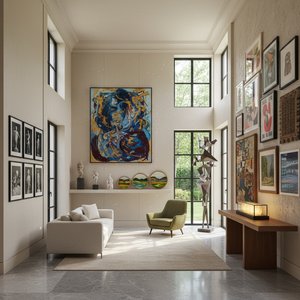
ヴェネツィア・ビエンナーレの至宝25選。印象派から現代アートまで、名画の背景にある物語と芸術家の情熱を紐解きます。WahooArtで、キャンバスアートや油絵複製をお楽しみください。今すぐコレクションをご覧ください。
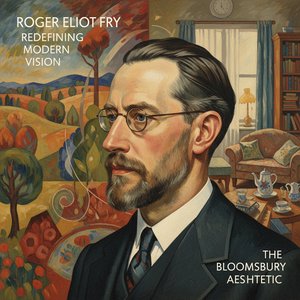
Explore the revolutionary impact of Roger Fry on modern art & the Bloomsbury Group. Discover his pivotal role in introducing Post-Impressionism to Britain and reshaping aesthetic understanding. Learn about his exhibitions, theories, and lasting legacy.
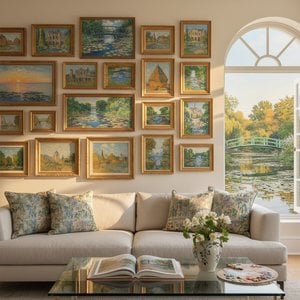
クロード・モネの傑作25選。印象派を代表する光の画家、モネの世界を旅しませんか?睡蓮や風景画など、名画の背景にある物語と芸術技法をご紹介。WahooArtで高品質な複製画とインテリアアートを見つけましょう。全コレクションはこちら。

Elevate your home with personalized art! Discover expert curation tips & bespoke solutions for a sophisticated interior. Trusted advice from art historians & designers.
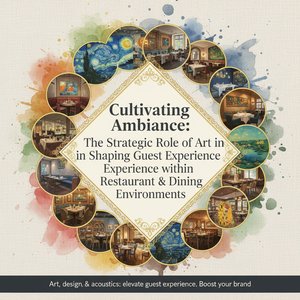
Discover how strategic art selection & design elevate the restaurant experience. Expert insights on color psychology, acoustics, layout & commissioning artwork to create lasting impressions and boost your brand.


 送る
送る シェア
シェア
 詳細情報
詳細情報 ガイドを表示

 画像をダウンロード
 似ている作品
 スライドショー
 統計情報
統計情報


 続きを読む
続きを読む






































 ガラスオプションは、110cm未満のサイズでのみご利用いただけます。


