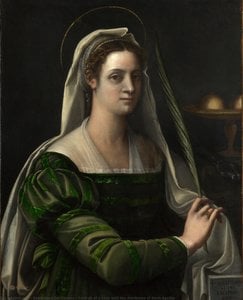
Acrylic On CanvasWallArtRenaissance
 1516
1516 270.0 x 225.0 cm
 Museo Civico
当社のアーティストが、お客様のご希望のサイズと額縁に合わせて、キャンバスに手描きで制作する油彩画です。 ( プリント版に切り替え デジタル画像販売へ切り替え)





























作品のオリジナル比率に合わせた、当店の規定サイズからお選びください。

特定のフレームやスペースに合わせて、ご希望のサイズをご入力いただけます。選択されたサイズが元の画像の比率と異なる場合、アートワークをトリミングするか、手描きで要素を追加して絵画を拡張いたします。デジタルモックアップ を制作し、制作開始前にご確認(承認)をいただきます。
画面上のプレビューは、実際のトリミングや拡張を正確に反映しているものではありません。最終的な構図は、モックアップによってのみ正確にご確認いただけます。
カスタムサイズもご利用いただけますが、元の比率を維持するためには、あらかじめ用意されたリストからサイズを選択することをお勧めいたします。

Pietà
複製画のサイズ
The Pietà, executed in 1516 by Sebastiano del Piombo and housed at the Museo Civico in Viterbo, Italy, stands as a monumental testament to the artistic fervor of the High Renaissance. More than just a depiction of grief—the Virgin Mary cradling the lifeless body of Jesus Christ—it embodies profound theological contemplation and masterful execution, cementing its place among the most iconic images of Christian iconography.
Del Piombo’s genius lay in his ability to synthesize Venetian colorism with Roman grandeur. Trained under Giovanni Bellini and Giorgione, he absorbed the luminous palettes and atmospheric perspective characteristic of Venice while simultaneously embracing the monumental scale and sculptural dynamism favored by Rome’s artistic elite. This dual influence is immediately apparent in “Pietà,” where a rich tapestry of blues and whites dominates the composition—a deliberate nod to Venetian tradition—yet simultaneously conveys an overwhelming sense of solemnity.
The Pietà represents a pivotal collaboration between Del Piombo and Michelangelo Buonarroti, marking the zenith of Renaissance artistic innovation. Michelangelo provided the cartoon for the painting—a preparatory sketch that meticulously outlined the figures and their poses—demonstrating his unwavering commitment to capturing human emotion with unparalleled accuracy. This partnership underscores the interconnectedness of artistic circles during the period and exemplifies the shared pursuit of sublime beauty.
Furthermore, “Pietà” embodies the Venetian legacy of expressive colorism, a stylistic approach championed by Giorgione and Bellini that prioritized emotional resonance over strict realism. Del Piombo’s masterful use of pigment—particularly blues and whites—captures the essence of sorrow and reverence—a testament to his artistic vision and enduring influence on subsequent generations of painters.
The Pietà transcends mere visual representation; it speaks to fundamental theological concepts. Mary’s grief symbolizes divine compassion and maternal love—the embodiment of Christian virtues—while Jesus's lifeless body represents sacrifice and redemption. The painting invites contemplation on themes of mortality and immortality, prompting viewers to grapple with questions of faith and spirituality.
Its placement in the Museo Civico Viterbo ensures that this masterpiece continues to inspire awe and admiration, offering a timeless glimpse into the artistic brilliance of the Renaissance—a period defined by its profound engagement with human emotion and spiritual aspiration.


1485 - 1547 , イタリア

Discover the enduring legacy of oil on board painting. Explore how historical techniques, rich impasto textures, and structural durability create timeless masterpieces that bridge Renaissance grandeur with modern art collecting excellence.

Discover the enduring allure of hand-painted oil reproductions. WahooArt offers museum-quality, archival masterpieces designed for discerning collectors seeking timeless beauty and a lasting legacy. Invest in fine art that transcends generations with our expert craftsmanship.

Discover the enduring allure of oil on canvas. Explore how master techniques like impasto and glazing create the depth, texture, and emotional resonance found in the world's greatest masterpieces. An essential guide for fine art enthusiasts and discerning collectors.

Discover the profound allure of oil on canvas. Explore the mastery of impasto textures, the science of pigment longevity, and expert guides to selecting museum-quality reproductions that elevate your collection with timeless elegance and tactile depth.

Explore the profound secrets of classical oil painting. From the delicate mastery of glazing to the dramatic depth of chiaroscuro, discover the timeless techniques used by Old Masters to create enduring, museum-quality masterpieces that capture light and emotion.


 プレビュー
プレビュー
 シェアする
シェアする シェアする
シェアする
 詳細を見る
詳細を見る ガイド
ガイド

 ダウンロード
 似ている作品
 X線調査
X線調査 スライドショー
 統計情報
統計情報 詳細を見る
詳細を見る









 ガラスオプションは、110cm未満のサイズでのみご利用いただけます。