
当社のアーティストが、お客様のご希望のサイズと額縁に合わせて、キャンバスに手描きで制作する油彩画です。 ( プリント版に切り替え デジタル画像販売へ切り替え)





























作品のオリジナル比率に合わせた、当店の規定サイズからお選びください。

特定のフレームやスペースに合わせて、ご希望のサイズをご入力いただけます。選択されたサイズが元の画像の比率と異なる場合、アートワークをトリミングするか、手描きで要素を追加して絵画を拡張いたします。デジタルモックアップ を制作し、制作開始前にご確認(承認)をいただきます。
画面上のプレビューは、実際のトリミングや拡張を正確に反映しているものではありません。最終的な構図は、モックアップによってのみ正確にご確認いただけます。
カスタムサイズもご利用いただけますが、元の比率を維持するためには、あらかじめ用意されたリストからサイズを選択することをお勧めいたします。

BOREE ENLEVANT ORITHYIE
複製画のサイズ
Sebastiano Conca's "Boreas Abducting Orithyia," a captivating work painted around 1720, isn’t merely a depiction of a classical myth; it’s a vibrant embodiment of dramatic tension and emotional turmoil. This Baroque masterpiece transports the viewer into a swirling vortex of desire, resistance, and ultimately, surrender, all rendered with Conca's signature mastery of light, color, and dynamic composition. The painting captures a pivotal moment from Ovid’s *Metamorphoses*, where the North Wind, Boreas, forcefully claims Orithyia, daughter of Erechtheus, defying her betrothal and plunging her into an unexpected marriage.
The scene unfolds on a richly textured riverbank, a carefully constructed stage for this tumultuous encounter. Conca skillfully employs atmospheric perspective – the subtle blurring of distant elements – to create a sense of depth that draws the eye towards the central action. The foreground is dominated by a cluster of figures: Orithyia, caught in Boreas’s grasp, her expression a mixture of surprise and burgeoning fear; her attendants, frozen in a desperate attempt to intervene; and the imposing figure of Boreas himself, depicted as a powerfully built man with windswept hair and wings – a potent symbol of untamed nature. The use of chiaroscuro—the dramatic interplay of light and shadow—intensifies the scene’s emotional impact, highlighting Orithyia's vulnerability against the overwhelming force of Boreas.
Conca’s compositional choices are deliberately theatrical. The painting adheres to a pyramidal structure, a hallmark of Baroque art, directing the viewer’s gaze upwards towards the central figures and reinforcing their importance. The swirling drapery of Boreas' cloak adds to the sense of movement and chaos, mirroring the turbulent emotions at play. Notice the meticulous detail in Conca’s brushwork – the delicate rendering of Orithyia’s skin, the rough texture of the foliage, and the intricate folds of the clothing. The artist masterfully layered oil paints to achieve a remarkable level of realism and luminosity, capturing the sheen of water and the warmth of light.
Beyond its narrative content, “Boreas Abducting Orithyia” is laden with symbolic meaning. Boreas represents primal desire, untamed power, and the disruption of established order. Orithyia’s resistance, though ultimately futile, embodies a struggle against fate – a poignant reminder of the limitations of human agency in the face of overwhelming forces. The presence of the attendants underscores the social constraints that govern Orithyia's life and highlight the tragedy of her situation. Even the swirling snow suggests the coldness and isolation associated with Boreas’ domain.
The painting also speaks to broader themes of transformation and metamorphosis, central to Ovid’s *Metamorphoses*. Orithyia’s abduction marks a dramatic shift in her life – from a promising future as a bride to an unexpected and potentially unhappy marriage. The scene invites contemplation on the capricious nature of love, the inevitability of change, and the enduring power of myth.
“Boreas Abducting Orithyia” stands as a testament to Sebastiano Conca’s artistic skill and his ability to capture the drama and emotion of classical mythology. It exemplifies the grandeur and theatricality of the Baroque style, while also revealing a subtle sensitivity to human psychology. Reproductions of this captivating work continue to resonate with viewers today, offering a glimpse into a world of mythic romance, turbulent emotions, and enduring artistic beauty. Its rich colors, dynamic composition, and evocative symbolism make it a compelling addition to any art collection or interior space—a window into the dramatic heart of Baroque artistry.

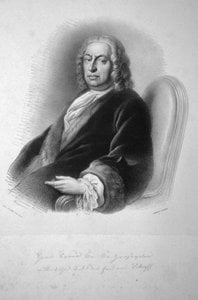
1680 - 1764 , イタリア

Embark on a sophisticated journey through the eternal allure of mythological art. Discover how master painters breathe life into ancient legends, from Greek deities to Baroque masterpieces, and learn to curate these timeless narratives within your own exquisite art collection.


 プレビュー
プレビュー
 シェアする
シェアする シェアする
シェアする
 詳細を見る
詳細を見る ガイド
ガイド

 ダウンロード
 似ている作品
 X線調査
X線調査 スライドショー
 統計情報
統計情報

 詳細を見る
詳細を見る









 ガラスオプションは、110cm未満のサイズでのみご利用いただけます。


