オンラインプレビューをはるかに凌ぐ、高解像度で鮮明なデジタル画像をご購入いただけます。
各ファイルは、社内の専門家が高度なツールと熟練した手作業によるレタッチを用いて、細心の注意を払って準備されています。すべての画像において、卓越した鮮明度、正確な色彩再現性、そして繊細なディテールを保証いたします。
最終ファイルは、プロフェッショナルな編集・印刷環境ですぐにご利用いただけるよう最適化された状態で、72時間以内にメールにてお届けいたします。これは、一流のデザインスタジオ、出版社、ギャラリーから信頼されているものと同等の品質です。
個人での鑑賞、印刷、クリエイティブなプロジェクト用に、高解像度ファイルをダウンロードできます。 ( プリント版に切り替え 手描きの絵画を購入)
WahooArt.com を選ぶことは、単に画像を手に入れることではありません。それは、プロの手によって精密に仕上げられ、満足保証が付いた高品質なデジタルアートワークを受け取ることを意味します。ご注文いただいた際に自動的に付随する内容は、以下の通りです:

ご注文から72時間以内に、高解像度のデジタル画像ファイルがメールでお手元に届きます。すぐにそのままご利用いただけます。

お客様の作品は、高度なAIツールと専門家による手作業の編集を組み合わせてプロフェッショナルに最適化されており、細部のディテール、鮮明さ、そして正確な色再現性を最大限に引き出しています。

ファイルを誤って削除したり、紛失してしまったりしましたか?ご安心ください。いつでも無料で再送いたします。

関税や手数料、配送料を気にすることなく、お気に入りのアートワークをすぐにお楽しみいただけます。デジタルダウンロードは常に免税です。

プロ仕様のツールとカラーマネジメント技術を用いることで、デジタル画像が元の色を最大限に忠実に再現することを保証いたします。

ご購入いただいたデジタル画像にご満足いただけない場合は、100日以内であれば、理由を問わず修正または100%の返金対応をさせていただきます。

ご満足いただけない場合は、デジタルファイルを受け取ってから100日以内であれば、理由を問わず全額返金いたします。

3枚購入で10%OFF - 5枚購入で15%OFF - 10枚以上購入で20%OFF。クリエイティブなプロジェクト、ギャラリー、エージェンシーに最適です。
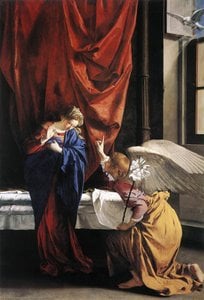
In the quiet, hallowed stillness of Scipione Pulzone’s 1587 masterpiece, The Annunciation, time seems to suspend itself. This profound work captures the precise, breathless moment when the Archangel Gabriel descends to deliver a divine decree to the Virgin Mary. It is not merely a depiction of a biblical event, but a carefully orchestrated visual drama that invites the viewer into a sacred dialogue. As your eyes wander through the composition, you encounter the tender presence of a young John the Baptist, whose excited gestures toward a blossoming lily serve as a poignant reminder of the life and purity about to unfold. The painting breathes with a sense of spiritual immediacy, pulling the observer into an intimate interior space where the earthly and the divine intersect through a soft, ethereal glow.
The technical brilliance of Pulzone lies in his ability to move beyond the artificiality of Mannerism toward a refined, luminous realism. Utilizing oil on canvas, the artist employs meticulous brushwork to sculpt the figures with anatomical precision and a palpable sense of volume. One cannot help but be captivated by the dramatic chiaroscuro—the masterful interplay of light and shadow that defines the scene. A celestial light source, seemingly emanating from an unseen heaven, bathes the central figures in a radiant warmth, creating a halo effect around the dove of the Holy Spirit. This light does more than illuminate; it sanctifies, casting deep, velvety shadows into the recesses of the room and highlighting the rich textures of flowing fabrics and smooth skin, making the scene feel both monumental and deeply human.
To understand this painting is to understand the heartbeat of the late Renaissance and the dawn of the Baroque era. Created in the wake of the Council of Trent, Pulzone’s work embodies the Counter-Reformation's mission: to use art as a vessel for intense religious devotion and emotional resonance. Every element within the frame is heavy with symbolic meaning, designed to inspire awe and contemplation in the faithful. The lily, held or gestured toward, stands as an eternal emblem of Mary’s purity, while the dove descending through the light represents the divine presence of the Holy Spirit. These symbols are not merely decorative; they are the theological anchors that ground the viewer's emotional response in a sense of profound grace and salvation.
For the discerning collector or interior designer, The Annunciation offers more than just historical significance; it provides a centerpiece of unparalleled emotional depth. The painting’s vertical orientation and balanced composition make it an exquisite addition to a space that seeks to evoke tranquility, dignity, and intellectual curiosity. Whether placed in a grand gallery or a quiet study, the rich palette of deep blues and vibrant reds, contrasted against the dramatic shadows, creates a focal point that commands attention while fostering a meditative atmosphere. Owning a high-quality reproduction of this Baroque treasure allows one to bring a piece of Italy's spiritual and artistic heritage into the modern home, transforming any environment into a sanctuary of beauty and light.

Scipione Pulzone (1544 – February 1, 1598), also known as Il Gaetano, was a prominent Neapolitan painter of the late Italian Renaissance. Born in Gaeta around 1550, he began his artistic journey within the workshop of Jacopino del Conte in Rome. This foundational training proved crucial to his development, shaping his early style and providing access to the vibrant Roman art scene.
Pulzone’s work distinguished itself from the prevailing Mannerist trends of his time. He developed a refined and detailed approach, characterized by precise rendering and a focus on naturalism. While influenced by earlier masters, he forged a unique style that blended elegance with religious fervor – particularly relevant during the period of the Counter-Reformation.
Pulzone’s career spanned Naples, Florence, and Rome, resulting in a diverse body of work. Some of his most significant achievements include:
Pulzone’s artistic development was shaped by several key influences:
Pulzone’s legacy lies in his ability to synthesize Renaissance ideals with the evolving artistic landscape of the late 16th century. He was one of the most esteemed artists active in Rome during this period, leaving behind a body of work that continues to be admired for its technical skill and expressive power.
Scipione Pulzone’s art reflects the religious and political climate of the Counter-Reformation. His detailed and emotionally resonant paintings served as powerful tools for conveying Catholic doctrine and inspiring devotion. He successfully navigated the artistic demands of both secular courts and the Church, establishing himself as a versatile and highly sought-after artist.

1550 - 1598 , Italy


 プレビュー
プレビュー
 シェアする
シェアする シェアする
シェアする
 詳細を見る
詳細を見る ガイド
ガイド

 ダウンロード
 似ている作品
 X線調査
X線調査 スライドショー
 統計情報
統計情報


 詳細を見る
詳細を見る