

スピーディーな制作と多彩な仕上げオプションが魅力の、ミュージアムクオリティなジークレー・キャンバスプリント。 ( 手描きの複製画を注文する デジタル画像販売へ切り替え)





























作品のオリジナル比率に合わせた、当店の規定サイズからお選びください。

額縁や壁のスペースに合わせて、ご希望の幅と高さを入力してください。プリントはカットすることは可能ですが、元の画像より大きくすることはできないため、異なる比率のサイズを選択された場合は、画像の一部が欠けることになります。印刷を開始する前に、内容を確認していただくためのデジタルモックアップをお送りいたします。このページに表示されている画像は、実際のカット後の状態を示すものではありません。実際の仕上がりはモックアップにてご確認ください。
Mystic Nativity
複製画サイズ一覧
In the twilight of the Quattrocento, as the political landscape of Italy fractured under the weight of papal ambitions and dynastic strife, Sandro Botticelli captured something far more profound than a mere religious milestone. His Mystic Nativity serves as an eloquent distillation of Renaissance ideals interwoven with the palpable anxieties of a world in flux. At first glance, the painting presents the serene, familiar scene of the Nativity—Mary cradling the infant Jesus amidst a pastoral landscape—yet the work breathes with a much deeper, more unsettling spiritual energy. It is not merely a depiction of a birth, but a complex theological vision that bridges the gap between the historical event of Christ's arrival and the apocalyptic prophecies of the Book of Revelation.
The composition guides the viewer’s eye upward through multiple narrative layers, emphasizing the sacredness of the moment while inviting contemplation of divine intervention and human humility. The central figures of Mary, Joseph, and the infant Jesus radiate divine grace, surrounded by celestial angels and humble earthly witnesses. There is a shimmering brilliance to the hues that seems to emanate from within the panel itself, creating a sense of divine light that transcends the physical medium. This luminosity serves to elevate the scene from a rustic outdoor setting into a celestial realm, where the boundaries between the earthly and the divine become beautifully blurred.
To gaze upon the Mystic Nativity is to engage in a silent dialogue with a dense web of symbolism. Botticelli meticulously constructed the composition to reflect a cosmic order. At the top of the work, a celestial dome of twelve angels encircles the heavens, representing both the twelve hours of the day and the twelve months of the year, acting as divine guardians over the unfolding drama. These angelic figures, draped in robes of white, red, and green, embody the virtues of faith, hope, and charity. Below this heavenly host, the landscape is punctuated by olive branches entwined with scrolls—symbols of peace and wisdom that stand in poignant contrast to the darker elements lurking in the shadows.
The emotional depth of the piece lies in its tension between salvation and peril. Beneath the rocky outcrops, demons emerge, embodying the evil forces that threaten the world. The painting employs a fascinating blend of styles; while it utilizes the emerging Renaissance naturalism, it also retains the earlier medieval convention of showing the Virgin Mary and infant Jesus on a larger scale than other figures. This deliberate distortion creates a powerful effect, emphasizing their importance above all else. Botticelli’s technical mastery is evident in his ability to manipulate oil on canvas to achieve an ethereal, luminous quality, capturing intricate textures—from flowing fabrics to natural foliage—that bring this biblical story to life.
For the discerning collector or interior designer, this masterpiece offers a profound sense of spiritual reverence and historical weight. Whether placed in a sacred space or an elegant, contemplative interior, the Mystic Nativity acts as a captivating focal point, inviting viewers to contemplate the sacred mystery of Christ’s birth and the enduring promise of peace amidst the darkness of the world.
ボッティチェリ作「Mystic Nativity」のEarthyな色彩は、おすすめの空間であるLiving Roomに調和します。
「Mystic Nativity」はOchre to Sepiaの色調が際立っています。
「Mystic Nativity」の作者であるボッティチェリには、他にサンドロ・ボッティチェリ, アレッサンドロ・ディ・マリアーノ・フィリペピといった名称でも記録されています。
1445年頃、フィレンツェで生まれたアレッサンドロ・ディ・マリアーノ・ディ・ヴァンニ・フィリペピ。後にサンドロ・ボッティチェリとして知られる彼は、初期ルネサンス期の最も重要な芸術家の一人であり、その作品は美と調和の象徴として、時代を超えて人々を魅了し続けています。彼の人生は、メディチ家の庇護のもと、フィレンツェという文化の中心地で展開され、芸術、哲学、文学が花開く時代を背景に、独自の芸術世界を築き上げました。
ボッティチェリの初期の教育については詳細は不明ですが、金細工師としての修行を経て、画家フィリッポ・リッピのもとで絵画技術を習得したことが知られています。リッピの影響を受けながらも、彼は独自のスタイルを確立し、アンтонио・デル・ポーライオーロやアンドレア・デル・ヴェロッキオといった同時代の巨匠からも影響を受けました。特に、彫刻的な人物描写と、繊細な線描が特徴的であり、彼の作品に独特の魅力を生み出しました。
ボッティチェリの芸術の特徴は、その優雅で詩情豊かな表現にあります。「ヴィーナスの誕生」や「春(プリマヴェーラ)」に見られるように、古典古代の神話や寓意を題材に取り入れながら、独自の解釈と美意識に基づいた作品を生み出しました。これらの作品は、単なる物語の描写ではなく、愛、美、そして精神的な高揚といった普遍的なテーマを探求するものであり、ルネサンス期の人文主義思想を体現するものとして高く評価されています。彼の描く人物たちは、洗練された衣装を身につけ、優雅なポーズをとっており、まるで生きているかのような生命力に満ち溢れています。
ボッティチェリの作品は、その繊細な色彩と線描によって特徴づけられます。彼は、テンペラ画という技法を多用し、鮮やかな色彩と緻密な描写を実現しました。また、彼の作品には、銀筆(シルバーポイント)による下絵が施されていることが多く、その繊細なタッチは、最終的な作品の完成度を高めています。特に「ヴィーナスの誕生」におけるヴェーヌス像の肌の表現や、「春」における人物たちの衣装の描写は、彼の卓越した技術力の証と言えるでしょう。
15世紀末には、ドミニコ会の修道士ジロラモ・サヴォナローラの布教活動の影響を受け、ボッティチェリの芸術にも変化が見られます。サヴォナローラは、当時のフィレンツェにおける奢侈や退廃を厳しく非難し、宗教的な清貧と禁欲を説きました。その結果、ボッティチェリもまた、自身の作品に宗教的なテーマを取り入れ、より内省的で精神的な表現へと傾倒していったのです。
しかし、彼の晩年の作品は、当時の世情に受け入れられず、忘れ去られてしまうという憂き目に遭いました。19世紀に入り、前ラファエロ派の画家たちがボッティチェリの作品を再評価し、その芸術的な価値を広く知らしめました。彼らの熱心な支持によって、ボッティチェリはルネサンス期の最も重要な芸術家の一人として、再び脚光を浴びることになったのです。
今日、ボッティチェリの作品は、世界中の美術館に所蔵されており、多くの人々を魅了し続けています。彼の作品は、ルネサンス期における美意識と精神性を象徴するものであり、芸術史において不朽の名声を確立しています。特に「ヴィーナスの誕生」や「春」は、西洋美術の金字塔として、その地位を不動のものとしているのです。

1445 - 1510 , イタリア

Discover the pinnacle of fine art reproduction with WahooArt.com’s premium textured Giclée prints. Our archival-quality, hand-enhanced masterpieces offer museum-grade depth and lasting value for the discerning collector seeking to elevate their private estate or luxury decor.

Elevate your design projects with WahooArt's premium canvas prints and hand-painted reproductions. From Giclée excellence to bespoke oil commissions, we provide professional decorators with museum-quality, affordable art solutions delivered worldwide with a 100% satisfaction guarantee.

WahooArt.comが贈る、至高のポスタープリント・ガイド。エリートコレクターのために、美術館品質を再現するGiclée(ジークレー)プリントの技術的卓越性や、アーカイブ級のインク、長期保存のための専門知識を解説します。本物の美しさを求める審美眼をお持ちの皆様へ、空間を格上げするアート選びの極意をお届けします。
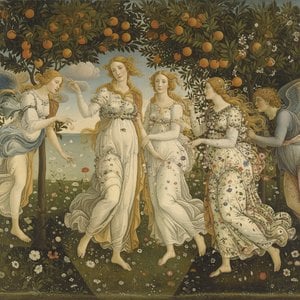
Explore the ethereal beauty of Sandro Botticelli's masterpieces. Delve into the profound symbolism, mythological grace, and technical mastery that define the Italian Renaissance through an expert art-historical lens.

Master the nuances of Giclée printing with our expert guide. Discover how pigment-based inks and museum-grade substrates create fade-resistant, high-fidelity art reproductions designed for discerning collectors seeking unparalleled quality and longevity.

 設置イメージを確認
 送る
送る シェア
シェア
 詳細情報
詳細情報 ガイドを表示

 画像をダウンロード
 似ている作品
 X線調査
X線調査 スライドショー
 統計情報
統計情報

 続きを読む
続きを読む









 ガラスオプションは、110cm未満のサイズでのみご利用いただけます。


