
当社のアーティストが、お客様のご希望のサイズと額縁に合わせて、キャンバスに手描きで制作する油彩画です。 ( プリント版に切り替え デジタル画像販売へ切り替え)





























作品のオリジナル比率に合わせた、当店の規定サイズからお選びください。

特定のフレームやスペースに合わせて、ご希望のサイズをご入力いただけます。選択されたサイズが元の画像の比率と異なる場合、アートワークをトリミングするか、手描きで要素を追加して絵画を拡張いたします。デジタルモックアップ を制作し、制作開始前にご確認(承認)をいただきます。
画面上のプレビューは、実際のトリミングや拡張を正確に反映しているものではありません。最終的な構図は、モックアップによってのみ正確にご確認いただけます。
カスタムサイズもご利用いただけますが、元の比率を維持するためには、あらかじめ用意されたリストからサイズを選択することをお勧めいたします。

Madonna And Child
複製画のサイズ
Sandro Botticelli, a name synonymous with the grace and ethereal beauty of the Early Renaissance, gifted the world with numerous depictions of the Virgin Mary and the Christ Child. While specific details regarding this particular “Madonna and Child” remain elusive – its exact date and current location not widely documented – it embodies all the hallmarks of Botticelli’s distinctive style and deeply resonant thematic concerns. The image presents a profoundly intimate scene: Mary, tenderly cradling her infant son, appears to be offering him nourishment, a gesture brimming with maternal love and divine sacrifice. This is not merely a portrayal of motherhood; it's an evocation of the very foundation of Christian belief – the incarnation of God in human form.
Born Alessandro di Mariano Filipepi in Florence around 1445, Botticelli flourished during a period of immense artistic and intellectual ferment. The city was a crucible of humanist thought, rediscovering the classical ideals of ancient Greece and Rome. While deeply rooted in Christian iconography, Botticelli’s work subtly reflects this renewed interest in antiquity. His figures possess an elegant linearity reminiscent of classical sculpture, yet they are imbued with a uniquely Florentine sensibility – a delicate grace and emotional depth. The presence of books scattered throughout the scene is particularly noteworthy. In Renaissance Florence, books were symbols of knowledge, learning, and spiritual enlightenment. Their inclusion suggests that this Madonna and Child isn’t simply a devotional image but also an affirmation of the importance of faith and intellect working in harmony.
Botticelli was a master of symbolism, imbuing his paintings with layers of meaning accessible to those familiar with Renaissance iconography. The act of nursing itself is rich in symbolic weight, representing not only Mary’s maternal role but also the nourishment – both physical and spiritual – that Christ offers humanity. The figures visible in the background, though somewhat indistinct, likely represent witnesses to this sacred moment or perhaps even donors who commissioned the work. Botticelli's use of color, while delicate, is carefully considered. The soft hues contribute to the overall sense of serenity and piety, drawing the viewer into a contemplative space. More than just technical skill, it’s the emotional impact that truly sets Botticelli apart. His Madonnas are not remote or idealized figures; they possess a human vulnerability and tenderness that resonates deeply with viewers across centuries.
The enduring appeal of Botticelli's “Madonna and Child” lies in its ability to transcend time and cultural boundaries. A hand-painted reproduction of this artwork brings a touch of Renaissance elegance and spiritual depth into any interior. The painting’s soft palette complements a variety of décor styles, from traditional to contemporary. Its intimate scale makes it suitable for both private devotional spaces and more public areas, offering a moment of quiet contemplation amidst the bustle of modern life. For collectors, owning a reproduction allows appreciation of Botticelli's genius without the constraints of rarity or cost. It’s an opportunity to invite beauty, history, and profound meaning into one’s home.

1445年頃、フィレンツェで生まれたアレッサンドロ・ディ・マリアーノ・ディ・ヴァンニ・フィリペピ。後にサンドロ・ボッティチェリとして知られる彼は、初期ルネサンス期の最も重要な芸術家の一人であり、その作品は美と調和の象徴として、時代を超えて人々を魅了し続けています。彼の人生は、メディチ家の庇護のもと、フィレンツェという文化の中心地で展開され、芸術、哲学、文学が花開く時代を背景に、独自の芸術世界を築き上げました。
ボッティチェリの初期の教育については詳細は不明ですが、金細工師としての修行を経て、画家フィリッポ・リッピのもとで絵画技術を習得したことが知られています。リッピの影響を受けながらも、彼は独自のスタイルを確立し、アンтонио・デル・ポーライオーロやアンドレア・デル・ヴェロッキオといった同時代の巨匠からも影響を受けました。特に、彫刻的な人物描写と、繊細な線描が特徴的であり、彼の作品に独特の魅力を生み出しました。
ボッティチェリの芸術の特徴は、その優雅で詩情豊かな表現にあります。「ヴィーナスの誕生」や「春(プリマヴェーラ)」に見られるように、古典古代の神話や寓意を題材に取り入れながら、独自の解釈と美意識に基づいた作品を生み出しました。これらの作品は、単なる物語の描写ではなく、愛、美、そして精神的な高揚といった普遍的なテーマを探求するものであり、ルネサンス期の人文主義思想を体現するものとして高く評価されています。彼の描く人物たちは、洗練された衣装を身につけ、優雅なポーズをとっており、まるで生きているかのような生命力に満ち溢れています。
ボッティチェリの作品は、その繊細な色彩と線描によって特徴づけられます。彼は、テンペラ画という技法を多用し、鮮やかな色彩と緻密な描写を実現しました。また、彼の作品には、銀筆(シルバーポイント)による下絵が施されていることが多く、その繊細なタッチは、最終的な作品の完成度を高めています。特に「ヴィーナスの誕生」におけるヴェーヌス像の肌の表現や、「春」における人物たちの衣装の描写は、彼の卓越した技術力の証と言えるでしょう。
15世紀末には、ドミニコ会の修道士ジロラモ・サヴォナローラの布教活動の影響を受け、ボッティチェリの芸術にも変化が見られます。サヴォナローラは、当時のフィレンツェにおける奢侈や退廃を厳しく非難し、宗教的な清貧と禁欲を説きました。その結果、ボッティチェリもまた、自身の作品に宗教的なテーマを取り入れ、より内省的で精神的な表現へと傾倒していったのです。
しかし、彼の晩年の作品は、当時の世情に受け入れられず、忘れ去られてしまうという憂き目に遭いました。19世紀に入り、前ラファエロ派の画家たちがボッティチェリの作品を再評価し、その芸術的な価値を広く知らしめました。彼らの熱心な支持によって、ボッティチェリはルネサンス期の最も重要な芸術家の一人として、再び脚光を浴びることになったのです。
今日、ボッティチェリの作品は、世界中の美術館に所蔵されており、多くの人々を魅了し続けています。彼の作品は、ルネサンス期における美意識と精神性を象徴するものであり、芸術史において不朽の名声を確立しています。特に「ヴィーナスの誕生」や「春」は、西洋美術の金字塔として、その地位を不動のものとしているのです。

1445 - 1510 , イタリア
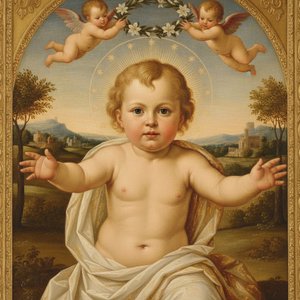
Explore the profound beauty of Baby Jesus in fine art history. From Raphael's Renaissance masterpieces to symbolic light, discover how classical painters captured divine innocence through masterful technique and sacred iconography.
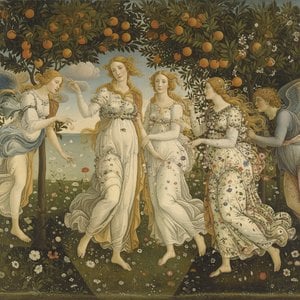
Explore the ethereal beauty of Sandro Botticelli's masterpieces. Delve into the profound symbolism, mythological grace, and technical mastery that define the Italian Renaissance through an expert art-historical lens.
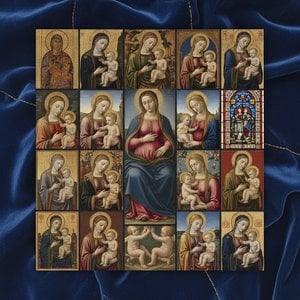
Embark on a sophisticated journey through art history with our curated guide to the most iconic Madonna and Child masterpieces. Discover the profound beauty, theological depth, and enduring legacy of these sacred Renaissance treasures.


 プレビュー
プレビュー
 シェアする
シェアする シェアする
シェアする
 詳細を見る
詳細を見る ガイド
ガイド

 ダウンロード
 似ている作品
 X線調査
X線調査 スライドショー
 統計情報
統計情報

 詳細を見る
詳細を見る









 ガラスオプションは、110cm未満のサイズでのみご利用いただけます。


