

オンラインプレビューをはるかに凌ぐ、高解像度で鮮明なデジタル画像をご購入いただけます。
各ファイルは、社内の専門家が高度なツールと熟練した手作業によるレタッチを駆使し、細心の注意を払って仕上げています。すべての画像において、卓越した鮮明度、正確な色彩再現性、そして繊細なディテールをお約束いたします。
最終ファイルは、プロフェッショナルな編集・印刷環境ですぐにご利用いただけるよう最適化された状態で、72時間以内にメールにてお届けいたします。これは、一流のデザインスタジオ、出版社、ギャラリーから信頼されているものと同等の品質です。
個人での鑑賞、印刷、クリエイティブなプロジェクトにご利用いただける高解像度ファイルをダウンロードできます。 ( プリント版に切り替え 手描きの複製画を注文する)
WahooArt.com を選ぶことは、単に画像を手に入れることではありません。プロの手によって精密に仕上げられ、満足保証が付いた高品質なデジタルアートワークを受け取ることを意味します。ご注文いただいた際に自動的に付随する内容は、以下の通りです:
ご注文から72時間以内に、高解像度のデジタル画像ファイルをメールでお送りいたします。お手元に届き次第、すぐにご利用いただけます。
お客様の作品は、高度なAI技術と専門家による手作業を組み合わせてプロフェッショナルに最適化されており、細部のディテール、鮮明さ、そして正確な色再現性を最大限に引き出しています。
ファイルを誤って削除したり、紛失してしまったりしましたか?ご安心ください。いつでも無料で再送いたします。
関税や手数料、配送料を気にすることなく、お気に入りのアートワークをすぐにお楽しみいただけます。デジタルダウンロードは常に免税です。
プロ仕様のツールとカラーマネジメント技術を用いることで、デジタル画像が元の色を最大限に忠実に再現することを保証いたします。
ご購入いただいたデジタル画像にご満足いただけない場合は、100日以内であれば、理由を問わず修正または100%の返金対応をさせていただきます。
ご満足いただけない場合は、デジタルファイルを受け取ってから100日以内であれば、理由を問わず全額返金いたします。
3枚購入で10%OFF、5枚購入で15%OFF、10枚以上のご購入で20%OFF。クリエイティブなプロジェクトやギャラリー、エージェンシーに最適です。

サンドル・ボルトニク(1893-1976)は、ハンガリー美術史において、今なお深く謎めいた存在であり続けています。彼の描く、どこか心を捉えて離さない作品群は、象徴主義、表現主義、そして建築的な精密さが力強く融合し、見る者の心に響き渡ります。当時ハンガリー王国の一部であったトランシルヴァニアのマロシュヴァシュヘリに生まれたボルトニクの生涯は、流浪と芸術的進化によって彩られていました。その歩みこそが、彼を同世代の中でも最も際立った表現者へと形作ったのです。彼の遺した功績は、膨大な数の絵画やグラフィックデザインにとどまりません。バウハウスの理念に基づき、次世代のハンガりとアーティストを育成した教育者としての極めて重要な役割にも、その真価が宿っています。
ボルトニクの芸術的修行はブダペストから始まりました。そこで彼は、フォーヴィスム(野獣派)が放つ鮮烈なエネルギーに瞬く間に魅了されました。しかし、第一次世界大戦後の政治的な激動は彼を亡命へと追いやり、1922年にはワイマールへと辿り着きます。この移住は、彼の人生を決定づける転換点となりました。革命的な空気が流れるバウハウスの環境に身を投じたことで、機能主義や幾何学的抽象、そして職人技へのこだわりといった理念が、彼の芸術的発展に深い影響を与えたのです。ヨハネス・イッテンやリオネル・ファイニンガーといった巨匠たちの下で学び、彼らの哲学を吸収しながらも、同時に彼自身の独自の視覚言語を築き上げていきました。初期の作品に見られるキュビスムの影響、特に形態の断片化や多角的な視点の探求は顕著であり、この技法は後に、象徴的なイメージと見事に融合していくことになります。
前衛的な運動に身を投じながらも、ボルトニクのキャリアは商業芸術の世界と分かちがたく結びついていました。彼は、ポスターデザイナーとして瞬く間にその名を確立しました。サボリのような香水メーカーからモディアーノのようなタバコ会社に至るまで、多種多様なクライアントのために、見る者を圧倒する視覚的コミュニケーションを生み出したのです。これらのポスターは単なる広告の枠を超え、大胆な色彩、ダイナミックな構図、そして時として漂う哀愁や予兆を感じさせる、まさに「小さな芸術作品」と呼ぶにふさわしいものでした。彼のデザインは当時において驚くほど革新的であり、ハンガリーの市場にモダニズムと構成主義の美学を導入することとなりました。
1928年、ボルトニクはブダペストに私立美術学校「ワークショップ(Mühely)」を設立しました。ここはハンガリーの芸術的才能が育まれる重要な揺籃となりました。彼はバウハウスの原則を色濃く反映させ、素材や技法、そして概念的なアプローチにおける実験を重視しました。そのカリキュラムは革新の精神を養い、学生たちが伝統的な芸術制作の概念に挑戦することを促したのです。また、1949年から1956年にかけてはハンガリー美術アカデミーの学長を務め、戦後ハンガリーの芸術的景観を形作りました。彼の教育への献身は、単なる形式的な指導にとどまりませんでした。彼は学生たちを国際的な芸術・デザインの動向へと積極的に導き、彼らの創造的な実践を豊かにする異文化間の対話を育んだのです。
ボルトニクの全作品を通底しているのは、死、腐敗、そして変容というテーマへの深い思索です。彼の最も有名な作品群――しばしば「トンネル・ペインティング」と呼ばれるもの――は、歪んだ人物や断片化された形態、そして蔓延する不安感に満着した、閉塞的な空間を描き出しています。これらのイメージは、近代特有の心理的不安を呼び起こし、死への執着や人間存在の脆さを反映しています。暗い色彩、劇的な光の演出、そして髑髏(どくろ)や朽ちゆく花、孤独な人物といった象徴的なモチーフの使用は、深い憂鬱の漂う空気を作り出します。しかし、その暗闇の中には、しばしば再生や再誕の可能性を示唆するような、かすかな希望や強靭さが宿っています。彼の絵画は頻繁に都市の風景を描き、現代生活における孤独や疎外感を捉えながら、同時に街の影に隠された美と神秘を探索しているのです。
ボルトニクの作品は、その心に突き刺さるような美しさ、卓越した技術、そして人間存在への深い洞察ゆえに、今なお研究され、称賛され続けています。彼はハンガリー美術史における極めて重要な人物であり、芸術的ヴィジョンの持つ力と、バウハウス運動が遺した不朽の遺産を証明する存在なのです。
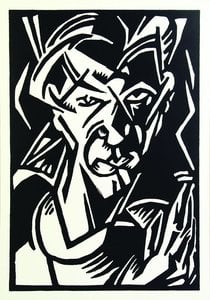
1893 - 1976 , ハンガリー

 設置イメージを確認
 送る
送る シェア
シェア
 詳細情報
詳細情報 ガイドを表示

 画像をダウンロード
 似ている作品
 X線調査
X線調査 スライドショー
 統計情報
統計情報 続きを読む
続きを読む


