

このページに掲載されている作品は著作権法によって保護されており、当社の許可なく同一の複製物を制作または販売することは法律で禁じられています。この保護は、以下のような国際条約に基づき執行されます。 ベルヌ条約 および、以下の条項に定められたものを含む各国の法律により、 米国著作権法 第17編。
この手法は、著作権で保護された作品の複製や複写を伴わないため、著作権法に完全に準拠しています。これは単なる模倣ではなく、創造的な再解釈です。元の作品からインスピレーションを受けつつも、それとは異なる、全く新しい絵画を生み出すものです。
スピーディーな制作と多彩な仕上げオプションが魅力の、ミュージアムクオリティなジークレー・キャンバスプリント。 ( 手描き複製画を注文する デジタル画像販売へ切り替え)
作品のオリジナル比率に合わせた、当店の規定サイズからお選びください。

額縁や壁のスペースに合わせて、ご希望の幅と高さを入力してください。プリントはカットすることは可能ですが、元の画像より大きくすることはできないため、異なる比率のサイズを選択された場合は、画像の一部が欠けることになります。印刷を開始する前に、内容を確認していただくためのデジタルモックアップをお送りいたします。このページに表示されている画像は、実際のカット後の状態を示すものではありません。実際の仕上がりはモックアップにてご確認ください。
Invisibile
複製画サイズ一覧
In 1947, Salvatore Ferragamo introduced "Invisibile," a design that challenged the structural conventions of mid-century footwear. The work, also known as the Invisible Sandal, emerged from the Italian designer's pursuit of anatomical innovation and material experimentation. It features a distinctive under-cut wedge heel, a sculptural form known as the F-heel.
The construction of "Invisibile" by Salvatore Ferragamo relied on the use of transparent nylon monofilament. This material was threaded through the insole to create the upper, a technique that dematerialized the traditional silhouette of the shoe. This specific approach to construction earned the designer the Neiman Marcus Award for Distinguished Services in 1947.
The design relies on a striking interplay between solid structure and transparency. Sleek black leather straps provide a dark, grounded foundation, while silver straps introduce a sense of sophistication through subtle metallic contrast. This interplay is heightened by the use of a continuous length of nylon monofilament. This thread passes through holes in the insole to construct the upper, creating a visual effect that dematerializes the shoe's structure.
The silhouette is defined by a distinctive F-shaped wooden wedge heel. This under-cut sole, inspired by the stern of an ocean liner, provides a sculptural, architectural quality to the footwear. The dimensions of the piece are 14cm in height, 8.5cm in width, and 23.5cm in length.
The construction of the sandal relies on a specialized use of nylon monofilament. A continuous length of this transparent nylon fishing line passes through holes in the insole, creating the upper structure. This technique allows the material to appear nearly invisible, dematerializing the traditional silhouette of the shoe. The upper is further composed of leather, specifically utilizing suede and calfskin to provide substance to the design.
The foundation of the footwear is an under-cut wedge heel, often referred to as the F-heel. This component is carved from wood and takes an undulating shape inspired by the stern of an ocean liner. The integration of rigid wooden elements with the flexible, translucent nylon creates a structural contrast between the solid base and the lightweight upper.
Created during World War II and the immediate post-war period, the design reflects the anxieties of an era defined by scarcity and uncertainty. The use of metallic leather was a deliberate choice to dematerialize the remaining structure of the shoe, creating an illusion of lightness. This approach represented a bold departure from traditional leather construction, utilizing unconventional materials to navigate the limitations of the time.
The work marks a milestone in the history of fashion. By integrating transparent nylon monofilament with sculptural forms, the design challenged established manufacturing practices. It transformed footwear from a purely functional object into a study of structural innovation and material experimentation.
Examples of this design are held in several prominent international institutions. The Brooklyn Museum Costume Collection at The Metropolitan Museum of Art possesses a pair, which was a gift of Mrs. R. L. Gilpatric in 1960. This specific acquisition is part of the Brooklyn Museum Costume Collection.
Other versions of the sandal are preserved in specialized collections. The Victoria and Albert Museum in London holds a pair, while the Kyoto Costume Institute in Kyoto maintains a version of the footwear. These holdings reflect the global presence of Ferragamo's mid-century innovations.
Ferragamo’s output spans various sculptural and functional forms, ranging from early prototypes to later experimental designs. His early career included the creation of the Prototipo di décolleté, dating to about 1929. This period of experimentation continued into the late 1930s with the Prototipo di sandalo in 1938.
The artist's later repertoire includes the 1952 Sandal, which emphasizes high-level craftsmanship. Beyond traditional footwear, his creative scope extended to sculptural objects, such as the Pollicino, a shoe sculpture characterized by Pop Art influences.
「Invisibile」はleather sandals, silver straps, shoemaking, hollywood glamour, italian design, sculptural shoes, salvatore ferragamoを描いていますが、サルヴァトーレ・フェラガモのこれまでの主要なテーマはitalian craftsmanship, hollywood style, luxury footwear, sculptural design, ferragamo legacyです。この二つを比較することで、本作が作家の恒常的な主題とどのように結びついているかが浮き彫りになります。
サルヴァトーレ・フェラガモ作「Invisibile」 の輝度は Luminous です。輝度とは、色がどれほど光を反射しているかを表す指標です。
「Invisibile」の設置イメージページでは、ご注文前に作品をプレビューいただけます。


1898 - 1960 , イタリア
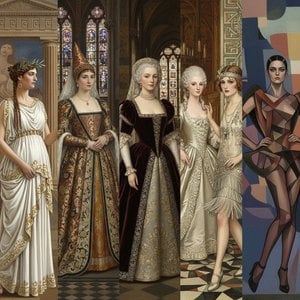
Explore the breathtaking intersection of fine art and high fashion. Discover how iconic masterpieces from Art Deco to Impressionism have shaped the world of luxury couture and timeless design in this curated visual journey.

Discover the exquisite world of fashion illustration art. From Art Deco elegance to bespoke oil reproductions, explore how timeless sartorial beauty transforms luxury interiors through masterfully crafted canvas works and curated historical masterpieces.

Explore the profound beauty of the Italian Renaissance. From Raphael's divine frescoes to Michelangelo's anatomical mastery, discover how this era of classical grandeur and humanistic ideals continues to inspire the world's most sophisticated art collectors and designers.

Discover the unparalleled elegance of Art Deco through the lens of Erté. Explore a masterclass in linear precision, theatrical costume design, and high-fashion illustration that continues to define modern luxury and sophisticated interior aesthetics.

Embark on a visual journey through the evolution of fashion photography. Discover how masters like Gianfranco Ferré blended geometry, surrealism, and texture to redefine high-fashion art for collectors and connoisseurs of luxury imagery.
 シェアする
シェアする シェアする
シェアする
 詳細を見る
詳細を見る ガイドを表示

 ダウンロード
 似ている作品
 スライドショーを表示
 Q&A
Q&A
 統計情報
統計情報


 詳細を表示
詳細を表示






































 ガラスオプションは、110cm未満のサイズでのみご利用いただけます。


