迅速な制作と多彩な仕上げオプションを備えた、ミュージアムクオリティのジークレーまたはキャンバスプリント。 ( 手描きの絵画を購入 デジタル画像販売へ切り替え)





























作品のオリジナル比率に合わせた、当店の規定サイズからお選びください。

特定のフレームやスペースに合わせて、ご自身でサイズを指定することも可能です。選択されたサイズが元の画像の比率と一致しない場合、作品をトリミングするか、鏡面反射または単色での塗りつぶしによって画像を拡張いたします。制作を開始する前に、ご確認用のデジタルモックアップをお送りいたします。
画面上のプレビューには、実際のトリミングや拡張は反映されませんのでご注意ください。最終的な構図を正確に確認できるのは、モックアップのみとなります。
カスタムサイズも承っておりますが、元の比率を維持するためには、あらかじめ用意されたリストからサイズを選択することをお勧めいたします。

Monks Fishing
複製画のサイズ
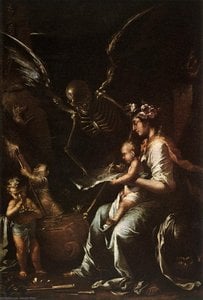
Salvator Rosa’s “Monks Fishing” isn't merely a depiction of two figures casting lines into a river; it’s a profound meditation on humanity’s relationship with the untamed forces of nature, rendered through the lens of the Baroque painter’s distinctive vision. Painted circa 1646-1648, this oil on canvas captures a moment suspended in time – a quiet ritual performed within a landscape that simultaneously invites and threatens the viewer. The scene unfolds against a dramatic backdrop of towering rock formations, a brooding sky pregnant with clouds, and a dense, almost claustrophobic forest, all rendered with an intensity characteristic of Rosa’s mature style.
Rosa, a figure perpetually at odds with the established artistic conventions of his day, rejected the polished elegance favored by many of his contemporaries. Instead, he embraced a raw, emotive approach, prioritizing naturalism and psychological depth over idealized beauty. “Monks Fishing” exemplifies this philosophy; it’s not a picturesque scene designed for easy consumption but rather a complex tableau brimming with symbolic weight and emotional resonance. The figures themselves – two weathered monks, their faces etched with contemplation – are dwarfed by the immensity of the landscape, emphasizing their vulnerability and suggesting a profound connection to something far greater than themselves.
Rosa’s technical skill is immediately apparent in his masterful manipulation of light and shadow. The painting is dominated by a diffused, atmospheric light that seems to emanate from an unseen source, casting long, dramatic shadows across the rocks and foliage. This chiaroscuro effect – a hallmark of Baroque art – not only creates a sense of depth and volume but also imbues the scene with a palpable mood of melancholy and introspection. Notice how he uses subtle highlights to draw attention to the texture of the bark on the trees, the rough surface of the rocks, and the folds in the monks’ garments, inviting us to engage with the painting on a tactile level.
Beyond its immediate visual appeal, “Monks Fishing” is rich in symbolic meaning. The solitary monks, engaged in their humble task, can be interpreted as metaphors for humanity’s search for spiritual enlightenment within the context of a challenging and often unforgiving world. Their isolation underscores the difficulty of achieving inner peace amidst the chaos of existence. The river itself – a recurring motif in Rosa's work – represents both sustenance and danger, life and death. The towering trees, with their gnarled branches reaching towards the sky, symbolize resilience and endurance, while the rocky terrain suggests the obstacles that must be overcome on the path to spiritual growth.
Rosa’s choice of subject matter—monks fishing in a wild landscape—was deliberately provocative. It challenged the prevailing artistic conventions of his time, which typically favored grand historical scenes or mythological narratives. By depicting a simple, everyday activity within an extraordinary setting, Rosa elevated the mundane to the level of profound contemplation.
“Monks Fishing” stands as a testament to Salvator Rosa’s unique artistic vision and his enduring influence on subsequent generations of artists. It's a painting that rewards careful observation, inviting viewers to lose themselves in its atmospheric depth and contemplate the timeless themes of solitude, spirituality, and the relationship between humanity and nature. Reproductions of this powerful work capture much of the original’s emotional intensity, offering a window into the soul of one of Italy’s most enigmatic and compelling Baroque masters.


1615 - 1673 , イタリア

Master the art of drama with our ultimate guide to Baroque landscapes. Discover the power of chiaroscuro, explore legendary masters, and learn how to curate epic, dark-vibe masterpieces for your collection with expert insights from WahooArt.

Explore the breathtaking drama of Baroque landscapes. From Rubens's grand vistas to the mastery of chiaroscuro, discover how 17th-century artists transformed nature into a theatrical stage of emotion and light. A deep dive for true art enthusiasts.

ロマン派絵画の時代を彩る10選。巨匠たちの風景が織りなす感動の世界へ。ターナー、ルーベンスなど、名作の裏話と高精細複製でアートをお部屋に。WahooArt.comで至福のアート体験を。

Explore the rich history of landscape art with WahooArt. Discover renowned artists, movements like Impressionism & Romanticism, and expert guidance for collecting timeless pieces. Find your perfect serene escape today!

Explore the captivating world of Salvator Rosa, a rebellious Baroque master. Discover his dramatic landscapes, allegorical paintings & lasting influence on Romanticism. Hand-painted reproductions available at WahooArt.


 プレビュー
プレビュー
 シェアする
シェアする シェアする
シェアする
 詳細を見る
詳細を見る ガイド
ガイド

 ダウンロード
 似ている作品
 X線調査
X線調査 スライドショー
 統計情報
統計情報


 詳細を見る
詳細を見る









 ガラスオプションは、110cm未満のサイズでのみご利用いただけます。