x


迅速な制作と多彩な仕上げオプションを備えた、ミュージアムクオリティのジークレーまたはキャンバスプリント。 ( 手描きの絵画を購入 画像を購入)





























作品のオリジナル比率に合わせた、当店の規定サイズからお選びください。

特定のフレームやスペースに合わせて、ご自身でサイズを指定することも可能です。選択されたサイズが元の画像の比率と一致しない場合、作品をトリミングするか、鏡面反射または単色での塗りつぶしによって画像を拡張いたします。制作を開始する前に、ご確認用のデジタルモックアップをお送りいたします。
画面上のプレビューには、実際のトリミングや拡張は反映されませんのでご注意ください。最終的な構図を正確に確認できるのは、モックアップのみとなります。
カスタムサイズも承っておりますが、元の比率を維持するためには、あらかじめ用意されたリストからサイズを選択することをお勧めいたします。

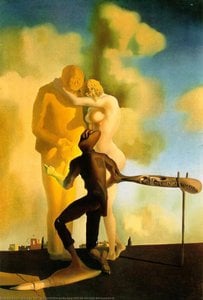
Warrior, 1982
複製画のサイズ
Salvador Dalí's 1982 painting, ‘Warrior,’ is not a depiction of battlefield heroism in the traditional sense. Instead, it presents a startlingly intimate and psychologically charged portrait—a figure encased in the trappings of authority yet radiating an unsettling vulnerability. The subject, formally dressed in a suit and tie beneath a gleaming helmet, immediately disrupts expectations. This isn’t a soldier prepared for combat; it's a man *playing* at being one, his expression caught somewhere between a grimace and a playful mockery. The exaggerated features, so characteristic of Dalí’s later style, lend the figure an almost grotesque quality, forcing us to confront not strength but fragility hidden beneath a facade of power. The presence of two birds—one soaring near the top left corner, the other perched towards the bottom right—adds layers of symbolic complexity, hinting at freedom and perhaps even impending doom or watchful observation.
Created toward the end of his prolific career, ‘Warrior’ reveals Dalí deeply engaged with art historical precedent. He wasn't simply painting *from* history; he was actively conversing with it. The composition and pose bear a striking resemblance to Michelangelo’s sculptures, particularly those depicting figures of power and contemplation like Lorenzo di Medici. However, Dalí doesn’t merely replicate—he subverts. He takes the classical ideal and infuses it with his signature surrealist sensibility, twisting familiar forms into something unsettlingly new. This period saw Dalí intensely studying the techniques of masters such as Velázquez, attempting to decipher their secrets and integrate them into his own unique visual language. The meticulous detail in the rendering of the suit and helmet contrasts sharply with the distorted facial features, creating a tension that is both captivating and disquieting. This late-life style demonstrates Dalí’s continued exploration of form and meaning, even as he revisited established artistic traditions.
The symbolism within ‘Warrior’ is rich and open to interpretation, a hallmark of Dalí's work. The helmet, traditionally a symbol of protection and courage, feels strangely isolating here, almost imprisoning the figure. The suit and tie suggest societal constraints and conformity, while the distorted face hints at an inner turmoil—a rebellion against those very structures. The birds, often associated with freedom and spirituality, could represent either hope or a sense of foreboding. Are they messengers, witnesses, or simply detached observers? Dalí rarely offered definitive explanations for his symbolism, preferring to leave room for individual interpretation. The painting’s power lies in its ability to tap into universal anxieties about identity, authority, and the masks we wear to navigate the world. It's a potent exploration of the human condition, rendered with Dalí’s characteristic blend of technical brilliance and psychological insight.
For collectors and interior designers, a hand-painted reproduction of ‘Warrior’ offers a unique opportunity to introduce a touch of surrealist drama into any space. The painting's bold composition and striking color palette make it a focal point, capable of sparking conversation and challenging perceptions. Its relatively compact size—approximately 100x99 cm—makes it versatile enough for both residential and commercial settings. Imagine this piece gracing a modern living room, adding an unexpected edge to minimalist décor, or lending intellectual weight to a contemporary office space. The reproduction captures the nuances of Dalí’s brushwork and color choices, ensuring that the emotional impact of the original is faithfully preserved. ‘Warrior’ isn't just a painting; it’s a statement—a testament to the enduring power of surrealism and the boundless imagination of one of art history’s most iconic figures.

1904年5月11日、スペインのフィゲラスで生まれたサルバドール・Domingo Felipe Jacinto Dalí i Domènechは、単なる画家ではなく、パフォーマンスであり、自己創造の化身でした。幼少期から兄を亡くした喪失感、厳格な父と愛情深い母との複雑な関係が、彼の芸術に二重性や代替といったテーマを深く刻み込みました。サン・フェルナンド美術アカデミーでの正式な訓練を経て、印象派やルネサンスの巨匠との出会いが、伝統からの脱却と独自の道を切り開くための情熱を燃え上がらせました。
1926年のパリへの旅は、ダリにとって芸術的な変革の瞬間となりました。彼はダダイズムの反逆精神に惹かれ、やがてシュルレアリスムを深く理解し、アンドレ・ブルトン、パブロ・ピカソ、ホアン・ミロといったキーパーソンたちと交流しました。しかし、ダリは単なるスタイルを受け入れるだけでなく、シュルレアリスム運動そのものを革命的に変革しました。「偏執的批判法」と呼ばれる独自の技法を開発し、自らを妄想状態に陥らせることで潜在意識の隠されたイメージを引き出し、夢や不安といった内面世界を驚くべき鮮明さで表現しました。記憶の固執は、その代表的な作品であり、時間の流動性、記憶の儚さ、そして避けられない衰退というシュルレアリスム探求の本質を凝縮した傑作です。
ダリの創造性は絵画に留まらず、彫刻、映画(アルフレッド・ヒッチコックとのSpellboundやウォルト・ディズニーとの共同制作など)、グラフィックアート、宝飾デザイン、舞台美術へと広がりました。彼は伝統的な芸術媒体にとらわれず、商業アートにも積極的に取り組み、広告やウィンドウディスプレイのデザインを手がけました。アリの象徴する腐敗、卵が表す胎生と希望、松葉杖が示す支持と脆弱性、引き出しが暗示する隠された秘密といったモチーフは、彼の作品に繰り返し登場します。これらのシンボルは単なる装飾ではなく、自身の不安、欲望、記憶に深く根ざした個人的なものであり、ジュリエットの墓における喪失への探求や、マネキン(バルセロナ・マネキン)における人工性とアイデンティティへの考察、そして風景とハエにおける死の描写など、彼の作品は幅広いテーマを扱っています。長年の鍛錬によって培われた緻密な技術により、彼はこれらの幻想的なビジョンを写真のようなリアリズムで描き出し、その不気味さをさらに増幅させています。
ダリは生涯を通じて、彼の芸術と同様に風変わりでエキセントリックな人物像を演じ続けました。自己宣伝の才能を持ち、大衆の注目を集めるためのスペクタクルを理解していました。1934年のガラの結婚は、個人的なだけでなく芸術的にも重要な転換点となり、彼女は彼のミューズ、ビジネスマネージャー、そして揺るぎない支持者となりました。晩年は商業的な活動が増え、フランコ政権への賛同といった物議を醸す行動もありましたが、彼の芸術的遺産は計り知れません。1989年1月23日にその生涯を閉じましたが、彼の作品は今なお観る者を魅了し、挑戦し、そして刺激を与え続けています。フロリダ州セントピーターズバーグのサルバドール・ダリ美術館は、彼の不朽の名声を称えるものであり、世界中の人々が彼の芸術の世界に浸ることができる広大なコレクションを収蔵しています。ダリは芸術の境界を超越し、ファッション、映画、広告、そして大衆文化に影響を与えた文化的アイコンとなりました。彼は20世紀で最も認知度が高く、影響力のある芸術家の一人として、夢と現実の狭間を探求し、その神秘をキャンバスに描き出した真のビジョナリーです。
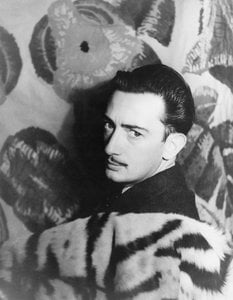
1904 - 1989 , スペイン

Embark on a visual journey through the subconscious. Explore the profound symbolism of Surrealist masterpieces, from Dalí's melting clocks to dreamlike landscapes, and learn how to curate these evocative visions into your private art collection with expert guidance.


最新の美術ニュース、限定オファー、そしてインテリアのアイデアをいち早くお届けします。
お客様のプロジェクトについてお聞かせください。当社の美術専門家が、お客様に合わせた3つのパーソナライズされた芸術提案をご提供いたします。
あなたにぴったりの3作品を無料で厳選いたします


 プレビュー
プレビュー
 シェアする
シェアする シェアする
シェアする
 詳細を見る
詳細を見る

 ダウンロード
 似ている作品
 X線調査
X線調査 スライドショー
 詳細を見る
詳細を見る









 ガラスオプションは、110cm未満のサイズでのみご利用いただけます。