
迅速な制作と多彩な仕上げオプションを備えた、ミュージアムクオリティのジークレーまたはキャンバスプリント。 ( 手描きの絵画を購入 デジタル画像販売へ切り替え)





























作品のオリジナル比率に合わせた、当店の規定サイズからお選びください。

特定のフレームやスペースに合わせて、ご自身でサイズを指定することも可能です。選択されたサイズが元の画像の比率と一致しない場合、作品をトリミングするか、鏡面反射または単色での塗りつぶしによって画像を拡張いたします。制作を開始する前に、ご確認用のデジタルモックアップをお送りいたします。
画面上のプレビューには、実際のトリミングや拡張は反映されませんのでご注意ください。最終的な構図を正確に確認できるのは、モックアップのみとなります。
カスタムサイズも承っておりますが、元の比率を維持するためには、あらかじめ用意されたリストからサイズを選択することをお勧めいたします。

Pine and Wisteria
複製画のサイズ
Sakai Hōitsu's "Pine and Wisteria" is more than just a painting; it’s a distillation of Edo-period aesthetics, a testament to the revival of Ogata Kōrin’s style, and an invitation into a world of serene beauty. Completed between 1810 and 1819, this pair of folding screens – known as byōbu – captures a fleeting moment in nature, imbued with both profound symbolism and exquisite technical skill. The scene unfolds within a meticulously rendered landscape dominated by two majestic pine trees, their branches reaching skyward like ancient guardians. Delicate wisteria vines cascade downwards, adding a touch of ethereal grace to the composition. It’s a visual poem, carefully crafted to evoke feelings of tranquility, harmony, and the cyclical rhythms of nature.
Hōitsu's genius lies in his ability to seamlessly blend influences. Initially trained within the formal confines of the Kanō school – renowned for its precise realism and adherence to tradition – he ultimately embraced the more fluid and decorative style championed by Ogata Kōrin, a master known for his vibrant colors, dynamic brushwork, and masterful use of perspective. This deliberate shift marked a pivotal moment in Japanese painting, establishing Hōitsu as a key figure in the Rinpa school, which prioritized beauty and artistic expression over strict adherence to academic rules. The work is not simply a representation of pine trees and wisteria; it’s an interpretation, filtered through Hōitsu's unique sensibility and his deep understanding of Kōrin’s legacy.
Beyond its aesthetic appeal, “Pine and Wisteria” is rich in symbolic meaning. The pine tree itself holds a profound significance in Japanese culture, representing longevity, resilience, and steadfastness – qualities deeply admired in both nature and human character. Its enduring presence symbolizes strength and permanence, anchoring the composition with an aura of stability. Conversely, the wisteria vine embodies femininity, grace, and beauty, its cascading blooms suggesting fertility and renewal. The pairing of these two elements creates a powerful metaphor for the harmonious union of masculine and feminine energies, mirroring the balance sought in traditional Japanese aesthetics.
The inclusion of gold leaf is particularly noteworthy. It elevates the painting to a realm of luxury and spiritual significance, adding an element of luminosity and suggesting a connection to the divine. The subtle gradations of color – from the deep greens of the pines to the pale blues and purples of the wisteria – are achieved through meticulous layering of ink washes, demonstrating Hōitsu’s mastery of brushwork and his ability to create a sense of depth and atmosphere. The use of bird's-eye perspective, a hallmark of Rinpa painting, further enhances the illusion of space and draws the viewer into the scene.
Created during the late Edo period (1603–1868), “Pine and Wisteria” offers a captivating glimpse into the artistic and cultural landscape of 19th-century Japan. This era witnessed a flourishing of art, driven by patronage from wealthy merchants and samurai families. The Rinpa school, in particular, played a crucial role in revitalizing traditional Japanese painting styles, challenging established conventions and embracing new approaches to composition, color, and technique. Hōitsu’s work exemplifies this spirit of innovation, demonstrating his ability to both honor the past and forge a distinctive artistic identity.
The meticulous detail evident in every brushstroke speaks volumes about the dedication and skill required to produce such a masterpiece. The painting was created on paper with gold leaf, a testament to the high standards of craftsmanship prevalent during this period. It’s believed that Hōitsu meticulously recreated elements from Kōrin's original works, demonstrating his deep respect for his predecessor while simultaneously establishing his own unique style. This careful reproduction and subsequent revival cemented Hōitsu’s place as one of the most important artists of the Rinpa school.
Today, “Pine and Wisteria” continues to captivate audiences with its timeless beauty and profound symbolism. High-quality reproductions offer a remarkable opportunity to bring this exquisite artwork into your home or office, adding a touch of serenity and sophistication to any space. WahooArt offers meticulously crafted giclee prints that faithfully capture the essence of Hōitsu’s original masterpiece, allowing you to appreciate its beauty for generations to come. Consider it not just a decoration, but a window into the rich artistic heritage of Japan.


1761 - 1829 , 日本

Explore the profound beauty of Japanese Ukiyo-e art. Discover the legacy of Hokusai and the Utagawa school through an expert exploration of Edo-period aesthetics, seasonal motifs, and the enduring global influence of Japan's 'Floating World' on fine art history.

Explore the profound beauty of Japanese landscape painting. From Hokusai's iconic vistas to Zen-inspired compositions, discover the spiritual depth and historical mastery of Ukiyo-e art in this expert cultural retrospective.
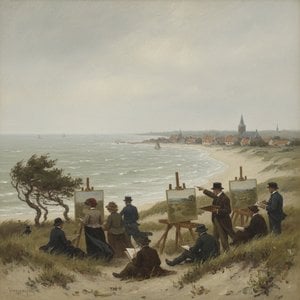
Explore the ethereal beauty of the Hague School art movement. Discover how masters like Jan Weissenbruch captured the atmospheric grey light of the Dutch landscape through unparalleled technique and emotive, misty compositions.

Explore the ephemeral beauty of Japanese Ukiyo-e art. From the dynamic warriors of Kuniyoshi to serene landscapes, discover the profound history, masterful techniques, and global influence of these iconic woodblock prints in our deep cultural retrospective.


 プレビュー
プレビュー
 シェアする
シェアする シェアする
シェアする
 詳細を見る
詳細を見る

 ダウンロード
 似ている作品
 X線調査
X線調査 スライドショー
 統計情報
統計情報

 詳細を見る
詳細を見る









 ガラスオプションは、110cm未満のサイズでのみご利用いただけます。


