

このページに掲載されている作品は著作権法によって保護されており、当社の許可なく同一の複製物を制作または販売することは法律で禁じられています。この保護は、以下のような国際条約に基づき執行されます。 ベルヌ条約 および、以下の条項に定められたものを含む各国の法律により、 米国著作権法 第17編。
この手法は、著作権で保護された作品の複製や複写を伴わないため、著作権法に完全に準拠しています。これは単なる模倣ではなく、創造的な再解釈です。元の作品からインスピレーションを受けつつも、それとは異なる、全く新しい絵画を生み出すものです。
スピーディーな制作と多彩な仕上げオプションが魅力の、ミュージアムクオリティなジークレー・キャンバスプリント。 ( 手描きの複製画を注文する デジタル画像販売へ切り替え)
作品のオリジナル比率に合わせた、当店の規定サイズからお選びください。

額縁や壁のスペースに合わせて、ご希望の幅と高さを入力してください。プリントはカットすることは可能ですが、元の画像より大きくすることはできないため、異なる比率のサイズを選択された場合は、画像の一部が欠けることになります。印刷を開始する前に、内容を確認していただくためのデジタルモックアップをお送りいたします。このページに表示されている画像は、実際のカット後の状態を示すものではありません。実際の仕上がりはモックアップにてご確認ください。
Abstract Bear
複製画サイズ一覧
Rudolph Patterson作「Abstract Bear」のX線解析ページは、X線写真のような表示を含む、作品画像の11層にわたる光学レイヤーをスライドして閲覧できるインタラクティブ・ビューアです。
Rudolph Patterson作「Abstract Bear」のデジタルイメージは、こちらのデジタル画像ページにてご購入いただけます:高解像度デジタル画像のダウンロード
「Abstract Bear」の著作権の状態について — 著作権により保護されています — は、作者の没年である2013に基づいています。

The story of Rudolph Patterson is one of profound transformation, a journey that began far from the canvas in the vibrant, rhythmic world of performance. Born in Duckenfield, Jamaica, in 1933, Patterson first captured the public imagination not through pigment and brush, but through his commanding presence on screen and stage. His early career was marked by a cosmopolitan flair, navigating the worlds of theatre, film, and television with an ease that led to notable roles in productions such as Z-Cars and The Professionals. This period of his life, characterized by collaborations with global icons like Stevie Wonder and Cliff Richard, instilled in him a deep, intuitive understanding of storytelling—a skill that would later breathe life into his visual masterpieces.
It was not until 1974 that Patterson underwent a pivotal artistic awakening. Transitioning from the ephemeral nature of acting to the permanent medium of painting, he embarked on a self-taught odyssey that would redefine his identity. Without formal academic training, he relied instead on an intimate connection with the Jamaican landscape and an uninhibited experimentation with color. This autodidactic path allowed him to bypass traditional constraints, fostering a style that was purely instinctive. His work became a celebration of light, shadow, and the lush, tropical atmosphere of his homeland, blending the structural influences of Impressionism and Fauvism with a uniquely Caribbean sensibility.
Patterson’s technical mastery lies in his ability to translate the heat and humidity of the tropics into fluid watercolor compositions. His paintings are often characterized by an exuberant, almost breathless use of color, where bold brushstrokes dance across the paper to capture fleeting moments of natural beauty. In works such as Tropical Heat, one can witness his skill in rendering dramatic sunset landscapes, using a palette that mirrors the fiery intensity of a Caribbean dusk. His approach to impressionistic realism allows the viewer to feel the warmth of the sun and the weight of the tropical air through the sheer vibrancy of his pigments.
Beyond the sweeping landscapes, Patterson found profound beauty in the intricate details of the natural world. He possessed a remarkable ability to elevate simple botanical subjects into emotive icons. In Forget Me Not, he captures the delicate interplay between wildflowers and bees, using light to create a sense of movement and life. Similarly, his piece Flowers demonstrates a more graphic, illustrative side of his talent, utilizing bold outlines and a cool, refreshing palette to depict blue blooms amidst lush foliage. This versatility—moving from the grand scale of a landscape to the intimate study of a single petal—showcases an artist deeply attuned to the rhythms of nature.
The significance of Rudolph Patterson’s oeuvre extends far beyond the borders of Jamaica. His ability to capture the essence of island life through a sophisticated, international lens earned him the admiration of a diverse and influential global audience. The fact that his works were collected by legendary figures such as Freddie Mercury, Twiggy, and Stevie Wonder serves as a testament to the universal emotional resonance of his art. His paintings do not merely depict scenery; they evoke a sense of nostalgia, joy, and the enduring spirit of the Caribbean.
As we reflect on his life, which concluded in 2013, we see an artist who successfully bridged the gap between different forms of expression. Patterson’s legacy is defined by several key artistic pillars:

1933 - 2013 , Jamaica

Explore the captivating world of watercolor painting! Discover its rich history, essential techniques, influential artists & collecting tips. A comprehensive guide for art enthusiasts from WahooArt.
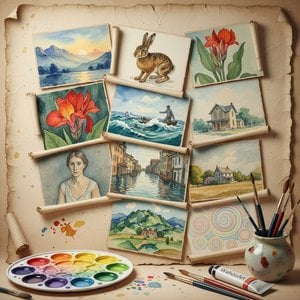
Journey through 10 legendary watercolor masterpieces by Sargent, Turner & Homer! Explore iconic landscapes, portraits & floral art that redefined history. Find museum-quality reproductions and curated decor ideas at WahooArt.com.

Journey through Wassily Kandinsky's 25 most iconic abstract paintings. Explore his revolutionary use of color, form & spiritual expressionism. Find museum-quality Kandinsky reproductions and elevate your home decor with WahooArt.com. Discover all masterpieces on WahooArt.com!

抽象表現主義を定義する10の傑作。ポロック、ロスコら巨匠たちの情熱と色彩の世界へ。各作品に込められた物語と技法を紐解き、至高のアート体験を。WahooArt.comで、ミュージアムクオリティの複製画や洗練されたインテリアアイデアを発見してください。
Explore the captivating history of watercolor painting, from ancient techniques to modern masters like Kandinsky & Blake. Discover essential artists, collecting tips & the emotional power of this luminous medium. Expert insights for art enthusiasts.

 設置イメージを確認
 送る
送る シェア
シェア
 詳細情報
詳細情報 ガイドを表示

 画像をダウンロード
 似ている作品
 X線調査
X線調査 スライドショー
 統計情報
統計情報

 続きを読む
続きを読む






































 ガラスオプションは、110cm未満のサイズでのみご利用いただけます。


![Abstract Composition [triptych] — Vaclav Vytlacil, Abstract Expressionism](/media/artworks/images-thumb/08/3c/083c0675045645fd42d4e6c6d63f1ced.jpg)


