
x


 Acrylic On CanvasWallArtEarly Netherlandish Painting
 1460
1460 180.0 x 92.0 cm
 フィラデルフィア美術館
迅速な制作と多彩な仕上げオプションを備えた、ミュージアムクオリティのジークレーまたはキャンバスプリント。 ( 手描きの絵画を購入 画像を購入)





























作品のオリジナル比率に合わせた、当店の規定サイズからお選びください。

特定のフレームやスペースに合わせて、ご自身でサイズを指定することも可能です。選択されたサイズが元の画像の比率と一致しない場合、作品をトリミングするか、鏡面反射または単色での塗りつぶしによって画像を拡張いたします。制作を開始する前に、ご確認用のデジタルモックアップをお送りいたします。
画面上のプレビューには、実際のトリミングや拡張は反映されませんのでご注意ください。最終的な構図を正確に確認できるのは、モックアップのみとなります。
カスタムサイズも承っておりますが、元の比率を維持するためには、あらかじめ用意されたリストからサイズを選択することをお勧めいたします。

Crucifixion Diptych (left panel)
複製画のサイズ
The left panel of Rogier van der Weyden's "Crucifixion Diptych," painted around 1460, is not merely a depiction of a biblical scene; it’s an exquisitely rendered tableau of human emotion and contemplation. Created during the height of Early Netherlandish painting, this work transcends simple narrative to become a profound meditation on grief, faith, and the weight of witnessing suffering. Van der Weyden, a master whose meticulous approach bordered on obsessive, doesn't simply paint figures; he sculpts them from light and shadow, imbuing each face with an almost unbearable intensity.
Beyond the immediate depiction of Christ’s suffering, the panel is rich in symbolic meaning. The two figures observing the crucifixion represent a broader human experience – the witnessing of pain and the struggle to comprehend it. They are not participants in the event, but rather observers, burdened by its gravity. This deliberate separation highlights the emotional distance between the viewer and the spectacle, forcing us to confront our own capacity for empathy and sorrow. The gesture of one figure, a subtle incline of the head, suggests an attempt to understand or perhaps even absorb the pain radiating from the central figure.
The setting itself contributes to this atmosphere of solemnity. The muted palette – dominated by browns, grays, and deep blues – reinforces the sense of mourning and despair. Van der Weyden’s use of *chiaroscuro*—the dramatic contrast between light and dark—further emphasizes the figures' emotional states, drawing our attention to their faces and bodies while simultaneously creating a feeling of profound darkness.
Rogier van der Weyden’s work emerged during a period of significant artistic innovation in Bruges (then Ieper), Belgium. He was part of a collective of artists known as the “Bruges School,” which distinguished itself through its realism, psychological depth, and sophisticated use of color and light. His "Crucifixion Diptych," along with works by Jan van Eyck and Hans Memling, exemplifies this burgeoning artistic movement – a shift away from the stylized representations of the Gothic period towards a more naturalistic and emotionally resonant style.
The diptych format itself was popular during this era, allowing artists to explore complex narratives through multiple panels. Van der Weyden’s masterful execution in both panels creates a powerful visual dialogue, inviting viewers to contemplate the events depicted and their profound implications. The work stands as a testament to his skill and a poignant reminder of one of history's most enduring stories.
WahooArt offers meticulously crafted hand-painted reproductions of Rogier van der Weyden’s “Crucifixion Diptych (left panel).” We utilize traditional painting techniques and archival-quality materials to ensure that our reproductions capture the essence of Van der Weyden's original masterpiece – its rich colors, intricate details, and profound emotional impact. Whether you are an art collector, a design enthusiast, or simply seeking a stunning piece for your home, our reproduction provides an authentic and captivating representation of this iconic work. Experience the power of this timeless image in exquisite detail.

1400年頃、現在のベルギー、トゥルネーで生まれたロギエ・ファン・デル・ヴェイデン(Roger de la Pasture)は、初期フランドル絵画における最も重要な芸術家の一人として、その名を知られています。彼の作品は主に宗教的な三連祭壇画や肖像画で構成されており、その繊細な感情表現と卓越した技術は、当時のヨーロッパの美術に大きな影響を与えました。幼少期に関する情報はほとんど残されていませんが、金細工職人の息子として生まれ、その精密さと美への感性は、後の絵画作品にも色濃く反映されています。トゥルネーで芸術家としてのキャリアをスタートさせ、ロバート・カンピンの工房で修行を経て、独自のスタイルを確立していきました。
1435年、ファン・デル・ヴェイデンはブルゴーニュ公フィリップ善良公に仕えるようになり、宮廷画家としての地位を確立しました。この庇護のもとで、彼はより洗練された芸術的ビジョンを追求し、初期フランドル絵画の伝統を受け継ぎながらも、感情表現の深さと自然主義的な描写を重視する独自のスタイルを開発していきました。彼の作品は単なる宗教画ではなく、登場人物の内面にある感情や苦悩を鮮やかに描き出し、鑑賞者に深い感動を与えました。特に、聖ルカがマリアを描く場面や、哀悼の場面における悲しみと絶望の表現は、当時の絵画には見られなかった革新的な試みであり、後の芸術家たちに大きな影響を与えました。
ファン・デル・ヴェイデンの作品を特徴づけるのは、その卓越した感情表現です。彼は登場人物の表情や身振りを通して、喜び、悲しみ、絶望といった様々な感情を繊細に描き出しました。例えば、『哀悼』におけるマリアの涙は、単なる描写にとどまらず、人間の苦悩と信仰の深さを象徴するものであり、鑑賞者の心に深く響きます。また、彼の作品には自然主義的な描写も見られます。人物の肌の色や質感、衣服の素材感など、細部に至るまで緻密な観察眼が反映されており、まるで生きているかのようなリアリティを生み出しています。彼は油彩技法を巧みに使いこなし、透明感のある色彩と光の表現によって、作品に奥行きと立体感を付与しました。
ファン・デル・ヴェイデンの作品は、当時のヨーロッパ各地で高く評価され、イタリアやスペインなどにも多くの作品が輸出されました。彼の革新的な感情表現と自然主義的な描写は、後の芸術家たちに大きな影響を与え、特にイタリアのルネサンス美術には、その足跡を見ることができます。しかし、17世紀以降、彼の作品は一時的に忘れ去られてしまいますが、19世紀に入り、再評価が進み、現在では初期フランドル絵画を代表する芸術家の一人として、世界中で愛されています。彼の三連祭壇画や肖像画は、美術史における重要な遺産であり、その感情豊かな表現と卓越した技術は、今なお多くの人々を魅了し続けています。
ファン・デル・ヴェイデンの代表的な作品としては、『聖ルカがマリアを描く』、『哀悼』、『降下』などが挙げられます。『哀悼』は、彼の感情表現の深さを最もよく示す作品の一つであり、その劇的な構図と登場人物の表情は、鑑賞者の心を揺さぶります。また、『降下』は、彼の卓越した技術力と宗教的テーマに対する深い理解を示す作品であり、フランドル絵画の最高傑作の一つとして知られています。

1400 - 1464 , ベルギー
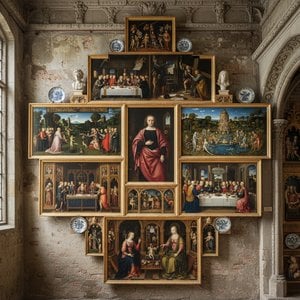
Journey into the Early Netherlandish Renaissance! Explore 10 iconic paintings by Jan van Eyck, Rogier van der Weyden & more. Discover stunning detail, symbolism, and oil painting techniques. Find museum-quality art reproductions for your home at WahooArt.com.
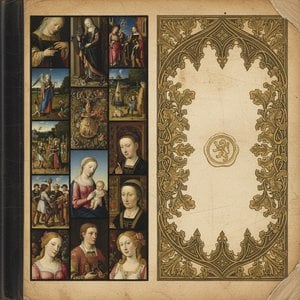
Journey into the world of Early Netherlandish painting! Explore 10 masterpieces by Jan van Eyck, Rogier van der Weyden & more. Discover stunning detail, symbolism & Renaissance art for your home decor. Find museum-quality reproductions on WahooArt.com

Explore the revolutionary art of Rogier van der Weyden, a pivotal figure of the Early Netherlandish Renaissance. Discover his emotional realism, innovative compositions, and lasting impact on painting history.

Explore the revolutionary art of Hugo van der Goes – a master of Early Netherlandish painting renowned for his dramatic realism, psychological depth & profound influence on Renaissance artists. Discover his iconic works and lasting legacy.

レンブラントの傑作25選。光と影の魔術師が描いた魂を揺さぶる名画の世界へ。美術史に残る自画像、夜警、宗教画…WahooArtで高品質なアートプリントやインテリアアートをお楽しみください。コレクションはこちら→


最新の美術ニュース、限定オファー、そしてインテリアのアイデアをいち早くお届けします。
お客様のプロジェクトについてお聞かせください。当社の美術専門家が、お客様に合わせた3つのパーソナライズされた芸術提案をご提供いたします。
あなたにぴったりの3作品を無料で厳選いたします


 プレビュー
プレビュー
 シェアする
シェアする シェアする
シェアする
 詳細を見る
詳細を見る

 ダウンロード
 似ている作品
 X線調査
X線調査 スライドショー
 詳細を見る
詳細を見る









 ガラスオプションは、110cm未満のサイズでのみご利用いただけます。


