
このページに掲載されている作品は著作権法によって保護されており、当社の許可なく同一の複製物を制作または販売することは法律で禁じられています。この保護は、以下のような国際条約に基づき執行されます。 ベルヌ条約 および、以下の条項に定められたものを含む各国の法律により、 米国著作権法 第17編。
敬意を払った法的な代替手段として、私たちはオリジナルにインスピレーションを与えられた、カスタムの手描きアートワークを提供しています。私たちの熟練したプロのアーティストは、元の作品が持つスタイル、情緒、そして芸術的なエッセンスを注意深く研究し、独自の創作物でありながら、同じ感性を呼び起こすような、新しくユニークな作品を作り上げます。
この手法は、著作権で保護された作品の複製や複写を伴わないため、著作権法に完全に準拠しています。これは単なる模倣ではなく、創造的な再解釈です。元の作品からインスピレーションを受けつつも、それとは異なる、全く新しい絵画を生み出すものです。
当社のアーティストが、お客様のご希望のサイズと額縁に合わせて、キャンバスに手描きで制作する油彩画です。 ( プリント版に切り替え デジタル画像販売へ切り替え)
作品のオリジナル比率に合わせた、当店の規定サイズからお選びください。

フレームや壁のスペースに合わせて、ご希望の幅と高さを入力してください。本作品は手描きのため、異なる比率のサイズをご希望の場合、絵画の周囲を少し広げて描くか、あるいは端を少しカットして調整することが可能です。お客様のご要望に合わせます。制作を開始する前に、仕上がりを確認するためのデジタルモックアップをお送りいたします。このページに表示されている画像は完成品の実物ではなく、あくまでモックアップによるイメージです。
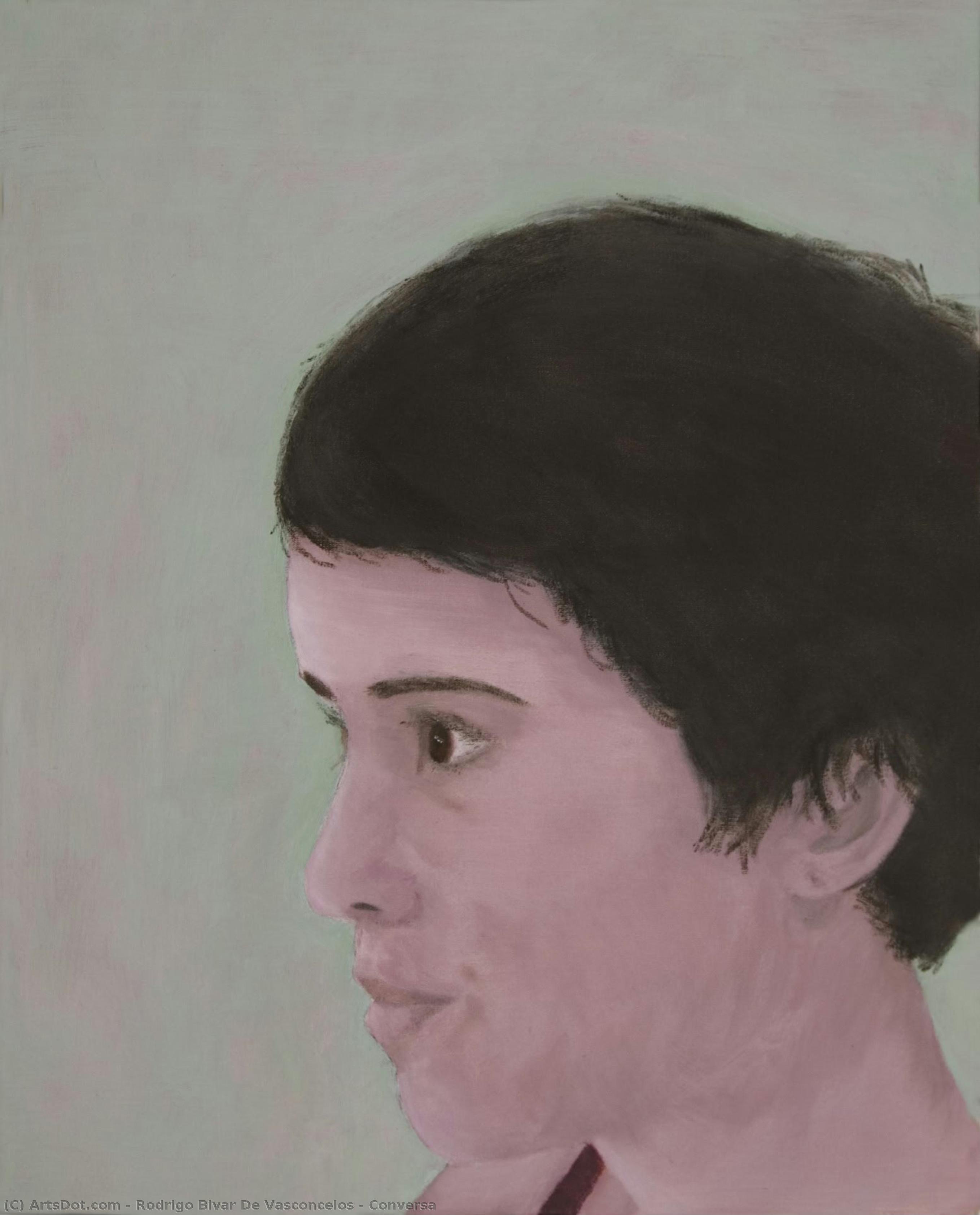
Conversa
複製画サイズ一覧

Born in Lisbon, Portugal, in 1965, Rodrigo Bivar de Vasconcelos has cultivated a career defined by a profound dialogue between form and feeling. His artistic journey began within the hallowed halls of the Faculty of Fine Arts at Universidade Lisboa, an environment that provided him with a rigorous foundation in painting, drawing, and sculpture. This multidisciplinary training allowed Bivar to develop a visual language that is as much about the physical texture of the medium as it is about the ephemeral nature of thought. Throughout his development, he has demonstrated a rare ability to balance meticulous craftsmanship with a spirit of expressive experimentation, creating works that invite the viewer into a deeply contemplative space.
The early sensibilities of Bivar were significantly shaped by the giants of modernism, particularly the surrealist whimsy of Joan Miró and the raw, gestural energy of Willem de Kooning. These influences are palpable in his ability to navigate the boundary between the subconscious and the tangible. His early work often leaned toward the figurative, utilizing photographic references to anchor his compositions. However, as his career progressed, Bivar underwent a transformative "abstract raid," a period where he intentionally abandoned established systems to explore the purity of color and shape. This transition was not merely an aesthetic shift but a philosophical one, moving away from the representation of external reality toward an exploration of internal, emotional landscapes.
Bivar’s technique is characterized by a sophisticated manipulation of light and materiality. In his more recent abstract explorations, he has embraced a unique method of paint preparation, incorporating egg yolk into his oils to achieve a heightened transparency and an expanded luminous range. To temper the brilliance of these colors, he often utilizes beeswax, which removes excess shine and lends a matte, organic quality to the surface. This careful layering creates a sense of depth that mirrors his thematic preoccupations with memory and the passage of time.
Much of his recent inspiration can be traced to the architectural textures of the Lapa neighborhood in São Paulo, where he maintains his studio. The decay of walls, the geometry of doors, and the rhythmic patterns of windows in this historic district serve as a catalyst for his compositions. In these works, Bivar translates urban residue into abstract motifs—fragmented figures and geometric shapes that seem to drift across the canvas. His art seeks to counteract the rapid pace of modern perception with a deliberate slowness, forcing the viewer to linger on the subtle imperfections and asymmetrical passages that define his oeuvre.
The significance of Rodrigo Bivar’s work lies in its ability to engage the viewer in a silent, profound conversation about the human experience. His exhibitions have traveled far beyond the borders of Portugal, reaching prestigious galleries in Spain, France, and the United States, including notable presentations in New York City’s Chelsea district. Whether through the expansive color fields showcased at the Museu Nacional de Arte Contemporânea – Serralves or his more intimate, symbolic sculptures, Bivar continues to push the boundaries of contemporary art.
His achievements are marked by a consistent commitment to exploring the following themes:
Ultimately, Bivar stands as a pivotal figure in contemporary Portuguese art, an artist whose work serves as a bridge between the structured traditions of the past and the spontaneous, abstract possibilities of the future.

1965 - , Portugal

 設置イメージを確認
 送る
送る シェア
シェア
 詳細情報
詳細情報 ガイドを表示

 画像をダウンロード
 似ている作品
 X線調査
X線調査 スライドショー
 統計情報
統計情報

 続きを読む
続きを読む






































 ガラスオプションは、110cm未満のサイズでのみご利用いただけます。


