
 Acrylic On CanvasWallArtCamden Town Group
 191919th Century
 58.0 x 71.0 cm
 アシュモリアン美術館
当社のアーティストが、お客様のご希望のサイズと額縁に合わせて、キャンバスに手描きで制作する油彩画です。 ( プリント版に切り替え デジタル画像販売へ切り替え)





























作品のオリジナル比率に合わせた、当店の規定サイズからお選びください。

特定のフレームやスペースに合わせて、ご希望のサイズをご入力いただけます。選択されたサイズが元の画像の比率と異なる場合、アートワークをトリミングするか、手描きで要素を追加して絵画を拡張いたします。デジタルモックアップ を制作し、制作開始前にご確認(承認)をいただきます。
画面上のプレビューは、実際のトリミングや拡張を正確に反映しているものではありません。最終的な構図は、モックアップによってのみ正確にご確認いただけます。
カスタムサイズもご利用いただけますが、元の比率を維持するためには、あらかじめ用意されたリストからサイズを選択することをお勧めいたします。

Showing at Tattersalls
複製画のサイズ
Robert Polhill Bevan's "Showing at Tattersalls" isn’t merely a depiction of a horse race; it’s a meticulously crafted tableau vivant, a frozen moment brimming with the energy and social significance of Victorian England’s most prestigious racing event. Painted in 1919, during a period of significant artistic transition – moving away from the rigid formality of academic art towards the vibrant expressiveness of early modernism – the canvas offers a surprisingly intimate view of an elite world. The painting transports us to Tattersalls, not just as a venue for horse trading, but as a microcosm of Victorian society, a place where wealth, status, and tradition converged.
Bevan’s masterful use of light and shadow immediately draws the eye. A diffused daylight filters through the windows, casting long, dramatic shadows across the brick flooring, creating an atmospheric depth that anchors the scene. The figures are rendered with a remarkable degree of realism, yet imbued with a subtle sense of abstraction – their faces often obscured by hats or coats, suggesting a detachment and emphasizing the spectacle itself rather than individual personalities. This deliberate ambiguity invites the viewer to become part of the scene, observing from a slightly removed perspective.
Bevan was a key figure in the Camden Town Group, a collective of artists who sought to capture the gritty realities of London life with bold colors and expressive brushstrokes. “Showing at Tattersalls” exemplifies this approach, though it’s arguably more restrained than some of his later works. The painting showcases Bevan's distinctive style – characterized by smooth planes of color, sharp outlines, and a deliberate flattening of perspective. He employs a technique reminiscent of Impressionism but pushes beyond mere representation, prioritizing the emotional impact of color and form.
Tattersalls, established in 1763, held immense importance within British society. It was more than just a horse sales venue; it represented the pinnacle of equestrian achievement and a significant indicator of wealth and social standing. The presence of numerous spectators – gentlemen in top hats and coats, ladies elegantly dressed – underscores this status. The clock visible in the upper left corner subtly reinforces the importance of time and schedule within this world of racing and commerce.
Beyond the immediate depiction of a horse race, “Showing at Tattersalls” offers a glimpse into Victorian values: the emphasis on tradition, social hierarchy, and the pursuit of excellence. The meticulous detail given to the horses themselves – their powerful legs, flowing manes – speaks volumes about the value placed on these animals as symbols of status and prestige.
Robert Polhill Bevan’s “Showing at Tattersalls” stands as a pivotal work in British art history. It represents a crucial bridge between Impressionism and modernism, demonstrating Bevan's willingness to experiment with color and form while retaining a strong sense of realism. His ability to capture the energy and atmosphere of a specific moment in time – a bustling scene within a world of privilege – solidifies his place as a pioneering figure in the development of British art at the turn of the 20th century. Reproductions of this painting offer a captivating window into a bygone era, inviting viewers to contemplate the enduring appeal of spectacle and social observation.


1865 - 1925
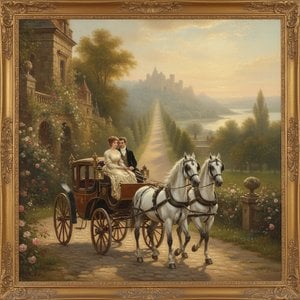
Embark on a visual journey through the romantic world of horse carriage art. Discover the mastery of equestrian oil paintings, from Impressionist textures to classical realism, and learn how to bring timeless elegance into your home with museum-quality reproductions.

Explore the profound beauty of equestrian art. From the realism of Meissonier to impressionistic studies, discover how master techniques capture the noble spirit of the horse in fine oil reproductions and custom commissions.


 プレビュー
プレビュー
 シェアする
シェアする シェアする
シェアする
 詳細を見る
詳細を見る ガイド
ガイド

 ダウンロード
 似ている作品
 X線調査
X線調査 スライドショー
 統計情報
統計情報 詳細を見る
詳細を見る









 ガラスオプションは、110cm未満のサイズでのみご利用いただけます。


