


x

作品のオリジナル比率に合わせた、当店の規定サイズからお選びください。

特定のフレームやスペースに合わせて、ご希望のサイズをご入力いただけます。選択されたサイズが元の画像の比率と異なる場合、アートワークをトリミングするか、手描きで要素を追加して絵画を拡張いたします。デジタルモックアップ を制作し、制作開始前にご確認(承認)をいただきます。
画面上のプレビューは、実際のトリミングや拡張を正確に反映しているものではありません。最終的な構図は、モックアップによってのみ正確にご確認いただけます。
カスタムサイズもご利用いただけますが、元の比率を維持するためには、あらかじめ用意されたリストからサイズを選択することをお勧めいたします。

The
複製画のサイズ
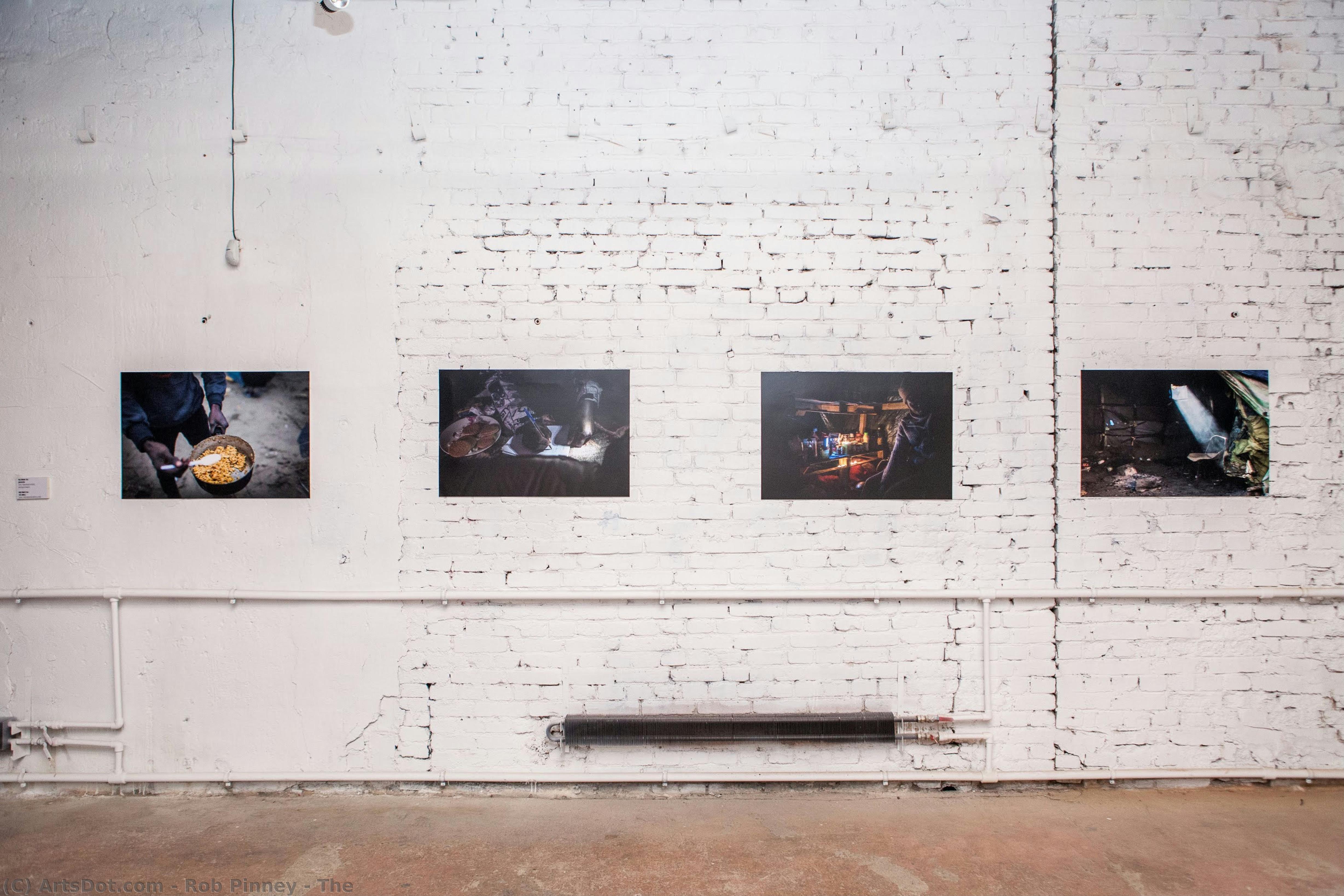
Rob Pinney isn't a name instantly recognizable to the general public, yet his photographs have borne witness to some of humanity’s most harrowing and transformative moments. A British documentary photographer and photojournalist, he’s spent decades immersed in conflict zones, refugee camps, and marginalized communities, crafting images that transcend mere documentation and instead become poignant narratives of survival, resilience, and the enduring human spirit. Pinney's work isn’t about sensationalism; it’s a deeply considered exploration of displacement, loss, and the often-invisible realities faced by those caught in the currents of global instability.
Born in the United Kingdom, Pinney’s journey into photojournalism began with a fascination for film and a desire to understand the world beyond his immediate surroundings. Early influences included classic documentary photographers like Dorothea Lange and Robert Capa, whose ability to capture both the starkness of circumstance and the dignity of the subject resonated deeply. However, Pinney's approach quickly diverged from purely observational work. He sought not just to record events but to engage with them on a human level, building trust with individuals and communities often caught in the crosshairs of conflict.
Pinney’s breakthrough came with his extensive coverage of the “Calais Jungle,” the sprawling makeshift camp housing thousands of refugees and migrants attempting to reach Europe. This project, spanning several years, offered an unflinching portrait of a desperate situation – a landscape of tents, uncertainty, and bureaucratic indifference. His photographs weren't simply images of suffering; they captured moments of quiet dignity, familial bonds amidst chaos, and the fierce determination of individuals seeking a better life.
The “Call Me By My Name” series, born from this experience, is particularly powerful. It’s not just about documenting the physical conditions of the camp but also about giving voice to the individual stories behind the faces – tracing journeys through war, persecution, and economic hardship. Pinney's work in Calais challenged conventional notions of “refugee,” revealing a diverse group of people with complex histories and aspirations. He actively sought out personal narratives, often spending weeks or months embedded within the community, building relationships that allowed him to capture authentic moments of vulnerability and strength.
Following Calais, Pinney’s work has continued to focus on areas grappling with conflict and displacement. He's documented the Syrian refugee crisis in Lebanon, explored the realities of migration in Europe, and reported from war-torn regions across Africa and the Middle East. His approach remains consistent: a commitment to ethical storytelling, prioritizing human connection over sensationalism.
Pinney’s photographic style is characterized by its raw honesty and understated power. He avoids overly dramatic compositions or exploitative imagery, instead favoring natural light and intimate framing that draws the viewer into the scene. His photographs are often imbued with a sense of melancholy but also resilience – reflecting the enduring spirit of those who have been forced to flee their homes.
While deeply committed to human-centered storytelling, Pinney’s technical skills are undeniable. He's adept at capturing fleeting moments of emotion and conveying complex narratives through simple compositions. His work demonstrates a keen understanding of light, shadow, and perspective – elements that contribute to the emotional impact of his images.
Pinney has also explored the ethical considerations surrounding photojournalism, particularly in relation to conflict zones. He’s engaged in critical discussions about the responsibility of photographers to represent marginalized communities accurately and avoid perpetuating harmful stereotypes. His work with Al Jazeera's "Listening Post" program highlighted the complexities of portraying war and its impact on individuals, urging a more nuanced approach than simply depicting violence.
Rob Pinney’s photographs are not merely historical records; they are powerful reminders of the human cost of conflict and displacement. His work has contributed significantly to raising awareness about humanitarian crises and challenging dominant narratives surrounding migration and refugees. As global instability continues, Pinney's commitment to documenting these realities ensures that his images will remain vital tools for understanding and empathy.

United Kingdom


最新の美術ニュース、限定オファー、そしてインテリアのアイデアをいち早くお届けします。
お客様のプロジェクトについてお聞かせください。当社の美術専門家が、お客様に合わせた3つのパーソナライズされた芸術提案をご提供いたします。
あなたにぴったりの3作品を無料で厳選いたします
 プリントを購入
 シェアする
シェアする シェアする
シェアする
 詳細を見る
詳細を見る

 ダウンロード
 似ている作品
 X線調査
X線調査 スライドショー

 詳細を見る
詳細を見る






































 ガラスオプションは、110cm未満のサイズでのみご利用いただけます。


