GouacheWallArtSurrealism
 1948Modern
 50.0 x 84.0 cm
迅速な制作と多彩な仕上げオプションを備えた、ミュージアムクオリティのジークレーまたはキャンバスプリント。 ( 手描きの絵画を購入 デジタル画像販売へ切り替え)





























作品のオリジナル比率に合わせた、当店の規定サイズからお選びください。

特定のフレームやスペースに合わせて、ご自身でサイズを指定することも可能です。選択されたサイズが元の画像の比率と一致しない場合、作品をトリミングするか、鏡面反射または単色での塗りつぶしによって画像を拡張いたします。制作を開始する前に、ご確認用のデジタルモックアップをお送りいたします。
画面上のプレビューには、実際のトリミングや拡張は反映されませんのでご注意ください。最終的な構図を正確に確認できるのは、モックアップのみとなります。
カスタムサイズも承っておりますが、元の比率を維持するためには、あらかじめ用意されたリストからサイズを選択することをお勧めいたします。

The lost jockey
複製画のサイズ
In the quiet, frost-bitten expanse of René Magritte’s The Lost Jockey, the boundaries between the familiar and the impossible begin to dissolve. Created in 1948, this masterpiece serves as a profound window into the surrealist psyche, where the logic of the waking world is suspended in favor of a dreamlike stillness. At first glance, the viewer encounters a scene of stark beauty: a jockey mounted upon his horse, navigating a landscape blanketed in pristine snow, flanked by the skeletal silhouettes of trees. Yet, there is an unmistakable tension beneath this wintry tranquility. The placement of such a dynamic, sporting figure within this desolate, frozen environment creates a sense of profound disorientation, inviting us to question why this rider has wandered so far from the racetrack and into the heart of a silent, snowy wilderness.
Magritte’s technical mastery is on full display through his meticulous use of gouache on canvas. This medium allows for a remarkable precision that defines the sharp edges of the horse's musculature and the intricate details of the jockey’s attire, while simultaneously providing a soft, matte texture that enhances the ethereal atmosphere of the falling snow. The artist employs a palette that balances the cold, biting whites and blues of the winter landscape with more grounded, earthy tones, creating a visual depth that draws the eye toward the central figures. This juxtaposition of sharp detail and atmospheric haze is a hallmark of Magritte’s ability to make the impossible feel tangibly real, a quality that makes this piece an irresistible focal point for any sophisticated collection.
To understand The Lost Jockey, one must delve into the philosophical currents of Surrealism that Magritte so expertly navigated. Influenced by the psychoanalytic theories of Sigmund Freud, the movement sought to unearth the truths hidden within the unconscious mind. In this painting, the "lost" nature of the jockey serves as a potent metaphor for the human condition—the feeling of being adrift in a world that no longer adheres to known rules. The snow acts not just as a seasonal element, but as a shroud, a white veil that obscures the path and muffles sound, much like the way our subconscious can obscure our true perceptions. The trees, standing like silent sentinels in the background, add to this sense of isolation and mystery, suggesting a world that is watching yet remains unreachable.
For the discerning collector or interior designer, this artwork offers more than mere decoration; it provides an intellectual and emotional anchor. Its ability to provoke thought and conversation makes it a perfect centerpiece for spaces designed for contemplation, such as a private study, a minimalist gallery, or a modern living salon. The painting’s unique composition—centering the action while surrounding it with vast, empty space—creates a rhythmic balance that can breathe life into a room, offering a sense of quiet drama and timeless elegance. Owning a high-quality reproduction of this work is an invitation to live alongside one of art history's most enduring enigmas, bringing the haunting beauty of Magritte’s vision into the contemporary home.

1898年11月21日、ベルギーのレシーヌで生まれたルネ・マグリットは、20世紀美術史における最も重要なシュルレアリストの一人として、その名を刻みました。幼少期のトラウマ的な出来事——母親の自殺——は、彼の芸術的探求に深く影を落とし、隠された現実、喪失感、そして見えないものへの執着というテーマを作品全体に織り込みました。マグリットの初期は印象派の影響を受けましたが、すぐに独自の視覚言語を確立し、日常的なオブジェクトを予期せぬ文脈で配置することで、私たちの認識と現実に対する固定観念を揺さぶるようになりました。
マグリットの芸術的転換点となったのは、1922年にジョルジュ・ド・キリコの絵画『愛の歌』に出会った瞬間でした。ド・キリコの夢幻的な風景と不条理な組み合わせは、マグリットに新たな視覚的可能性を提示し、シュルレアリスムへの道を切り開きました。しかし、マグリットのシュルレアリスムは、他の多くの芸術家とは一線を画していました。彼は無意識からの自動的な表現や夢の解釈といった手法を避け、むしろ緻密な描写と論理的な構成を用いて、現実の矛盾を浮き彫りにすることに焦点を当てました。彼の作品は、まるで精密な写真のように見える一方で、その配置や組み合わせによって、見る者を混乱させ、思考を刺激するのです。
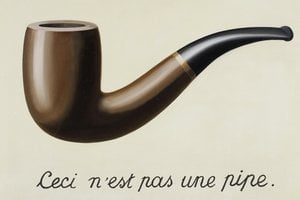
マグリットの作品における象徴性は、単なる装飾ではなく、彼の哲学的な探求の中心です。パイプが「これはパイプではありません」と宣言する『イメージの裏切り』は、最も有名な例の一つであり、表現と現実の関係について深く考えさせられます。また、『愛人たち』に見られるベールで顔を覆われた人物は、隠蔽、秘密、そして人間関係における不可解さを暗示しています。マグリットは、日常的なオブジェクトを組み合わせることで、視覚的トリックを生み出し、私たちの認識を欺きます。『時の停止』では、機関車が壁を突き破り、時間と空間の概念を混乱させます。これらの作品は、単なる奇抜なイメージではなく、現実の本質に対するマグリットの深い問いかけなのです。
マグリットは生涯を通じて、自身の芸術的探求を深め続けました。1960年代には、反復や錯覚、そして言語の力をテーマにした作品を発表し、その表現はますます洗練されていきました。1967年8月15日、マグリットは68歳でこの世を去りましたが、彼の遺産は美術界に深く刻まれています。ポップアート、ミニマリズム、そしてコンセプチュアルアートなど、20世紀の様々な芸術運動に影響を与え、現代においても多くのアーティストにインスピレーションを与え続けています。現在では、ブリュッセルの王立美術館内にマグリット博物館が設立され、彼の作品を包括的に展示しています。ルネ・マグリットは、日常の中に潜む謎を解き明かし、現実の境界線を揺さぶる視覚的パラドックスを通して、私たちに新たな視点を与え続けているのです。

1898 - 1967 , ベルギー

Step into a dreamscape of iconic Surrealist masterpieces. From Dali to Magritte, explore the stories behind the world's most famous artworks and find museum-quality reproductions for your home. Discover all masterpieces on WahooArt.com.

Step into a world of dreams with our curated guide to 10 iconic surrealist masterpieces. From Dali to Magritte, explore the stories and techniques behind these timeless works. Find museum-quality art reproductions and decor inspiration at WahooArt.com. Explore the full collection online.

Step into a dreamscape of iconic Surrealist paintings. From Dali to Magritte, explore the stories behind 10 timeless masterpieces. Find museum-quality art reproductions and curated decor inspiration for your space. Discover all masterpieces on WahooArt.com.
Step into the enigmatic world of René Magritte. Explore 25 iconic Surrealist masterpieces, uncovering the stories behind his dreamlike imagery and mysterious techniques. Find museum-quality art reproductions and decor inspiration. Discover all masterpieces on WahooArt.com.
Step into a dreamscape of Surrealism. Uncover the stories behind 10 iconic masterpieces by legends like Salvador Dalí and René Magritte. Find museum-quality art reproductions and curated decor inspiration to transform your space. Discover all masterpieces on WahooArt.com.


 プレビュー
プレビュー
 シェアする
シェアする シェアする
シェアする
 詳細を見る
詳細を見る

 ダウンロード
 似ている作品
 X線調査
X線調査 スライドショー
 統計情報
統計情報 詳細を見る
詳細を見る









 ガラスオプションは、110cm未満のサイズでのみご利用いただけます。