
x


 Oil On BoardWallArtNeoclassical American
 1639Early Modern
 81.0 x 63.0 cm
 ルーブル美術館




























作品のオリジナル比率に合わせた、当店の規定サイズからお選びください。

特定のフレームやスペースに合わせて、ご希望のサイズをご入力いただけます。選択されたサイズが元の画像の比率と異なる場合、アートワークをトリミングするか、手描きで要素を追加して絵画を拡張いたします。デジタルモックアップ を制作し、制作開始前にご確認(承認)をいただきます。
画面上のプレビューは、実際のトリミングや拡張を正確に反映しているものではありません。最終的な構図は、モックアップによってのみ正確にご確認いただけます。
カスタムサイズもご利用いただけますが、元の比率を維持するためには、あらかじめ用意されたリストからサイズを選択することをお勧めいたします。

Self-portrait
複製画のサイズ
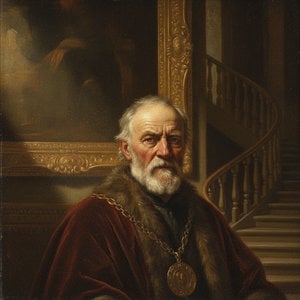
In the quiet, shadowed corners of early American history, few images capture the burgeoning identity of a new nation as poignantly as Rembrandt Peale’s Self-Portrait. This is not merely a record of a face, but a profound window into the psyche of an artist navigating the intersection of European tradition and American ambition. Executed with a masterful command of light and shadow, the portrait presents Peale seated before a draped doorway, a compositional choice that suggests a threshold between the private self and the public persona. The soft, directional light bathes his features, highlighting a gaze that is both intense and deeply contemplative, inviting the viewer to step into his personal sanctuary.
The painting serves as a cornerstone of American Neoclassicism, a style that sought to marry the clarity and precision of classical ideals with a burgeoning sense of realism. Peale’s technique, rendered in oil on board, demonstrates an extraordinary ability to manipulate tonal gradations. Through subtle transitions of pigment, he achieves a lifelike texture—from the soft skin of his visage to the heavy, tactile presence of the drapery behind him. This meticulous attention to detail reflects the influence of the Baroque masters, yet it is infused with a uniquely American spirit of scientific observation and psychological depth.
Every element within this frame carries a weight of meaning far beyond its aesthetic value. The hat worn by Peale is more than a mere accessory; it serves as a visual declaration of status, dignity, and professional ambition. It anchors him in his time, presenting him as a man of distinction and intellectual standing. Furthermore, the presence of the doorway acts as a powerful metaphor for introspection. It symbolizes the artist’s role as a mediator between worlds—the internal world of thought and the external world of nature and society.
To understand this work, one must also consider the fertile ground from which Peale grew. As the son of the legendary Charles Willson Peale, Rembrandt was raised in an environment where art, science, and museum curation were inextricably linked. This familial ethos—the belief that art could illuminate the natural world and the human condition alike—is palpable in the painting’s execution. There is a quiet, scholarly gravity to the piece, a sense that the artist is not just painting himself, but documenting the very evolution of American cultural identity.
For the art lover, the collector, or the interior designer, a high-quality reproduction of this Self-Portrait offers much more than visual elegance. It brings a sense of historical gravity and intellectual sophistication to any space. The painting’s muted palette and dramatic chiaroscuro make it an incredibly versatile piece for curated interiors, providing a focal point that commands attention without overwhelming the room. Whether placed in a private study, a library, or a grand salon, Peale’s work acts as a conversation starter, evoking themes of legacy, identity, and the enduring power of the human spirit.
Investing in such a piece is an opportunity to possess a fragment of the American Renaissance. It is an invitation to engage with a moment in time when the foundations of American art were being laid with precision, passion, and an unwavering eye for the truth of the human experience.


1778 - 1860 , アメリカ合衆国
Immerse yourself in the dramatic chiaroscuro of Rembrandt van Rijn’s greatest works. Explore 25 iconic Dutch Golden Age masterpieces, perfect for inspiring fine art decor and museum-quality reproductions. Elevate your space with timeless beauty. Discover all masterpieces on WahooArt.com.

Elevate your collection with the tactile elegance of hand-painted oil masterpieces. From bespoke reproductions to custom portraits from photography, discover museum-quality artistry crafted by academy-trained experts for discerning collectors and designers worldwide.


最新の美術ニュース、限定オファー、そしてインテリアのアイデアをいち早くお届けします。
お客様のプロジェクトについてお聞かせください。当社の美術専門家が、お客様に合わせた3つのパーソナライズされた芸術提案をご提供いたします。
あなたにぴったりの3作品を無料で厳選いたします


 プレビュー
プレビュー
 プリントを購入
 シェアする
シェアする シェアする
シェアする
 詳細を見る
詳細を見る

 ダウンロード
 似ている作品
 X線調査
X線調査 スライドショー
 詳細を見る
詳細を見る









 ガラスオプションは、110cm未満のサイズでのみご利用いただけます。


