
x


 Oil On CanvasWallArtContemporary Realism
 2016Contemporary
 182.0 x 213.0 cm
 Nasher Museum of Art at Duke University
迅速な制作と多彩な仕上げオプションを備えた、ミュージアムクオリティのジークレーまたはキャンバスプリント。 ( 手描きの絵画を購入 画像を購入)





























作品のオリジナル比率に合わせた、当店の規定サイズからお選びください。

特定のフレームやスペースに合わせて、ご自身でサイズを指定することも可能です。選択されたサイズが元の画像の比率と一致しない場合、作品をトリミングするか、鏡面反射または単色での塗りつぶしによって画像を拡張いたします。制作を開始する前に、ご確認用のデジタルモックアップをお送りいたします。
画面上のプレビューには、実際のトリミングや拡張は反映されませんのでご注意ください。最終的な構図を正確に確認できるのは、モックアップのみとなります。
カスタムサイズも承っておりますが、元の比率を維持するためには、あらかじめ用意されたリストからサイズを選択することをお勧めいたします。

Kiss (Clear Pond)
複製画のサイズ
In the evocative oil painting Kiss (Clear Pond), artist Ratheesh T. Kumar invites the viewer into a sanctuary of profound intimacy and quiet contemplation. The work captures a fleeting, tender moment between the artist and his daughter, an embrace that transcends mere physical contact to become a symbol of universal connection. Set against the lush, verdant backdrop of Trivandrum, India, the scene is far more than a literal depiction of a family outing; it is a dream-like exploration of memory and presence. Through his masterful use of light and texture, Kumar transforms a specific location outside his studio into an ethereal realm where the boundaries between the tangible world and the subconscious begin to blur.
The composition is anchored by the striking interplay of reflection and reality. As the figures stand near the edge of a tranquil pond, the water serves as a liquid mirror, presenting an inverted world that challenges our perception of space. The surface of the pond intermingles with nearby vegetation, creating a complex tapestry of light and shadow where the distinction between the sky, the trees, and the water becomes beautifully elusive. This technique of layering reflections adds a rhythmic depth to the canvas, drawing the eye into a swirling, impressionistic dance of color that mimics the way a cherished memory might flicker and shift in the mind's eye.
Kumar’s technical prowess is evident in his ability to manipulate oil on canvas to achieve both structural clarity and atmospheric softness. His approach is deeply rooted in his training at the College of Fine Arts in Trivandrum, yet it is infused with a contemporary, introspective spirit. The artist employs a rich palette that celebrates the vibrant life of the Indian landscape, using bold yet harmonious tones to define the lush greenery and the shimmering water. There is a deliberate, painterly quality to his brushwork; he does not merely paint leaves or ripples, but rather captures the essence of movement and light. This creates a sense of "living" texture that makes the painting feel as though it is breathing alongside its subjects.
For the discerning collector or interior designer, Kiss (Clear Pond) offers a sophisticated balance of complexity and serenity. The inclusion of subtle, grounded elements—such as the distant car parked near the pond—provides a touch of realism that prevents the dream-like atmosphere from becoming untethered from the earth. This juxtaposition of the mundane and the magical makes the piece exceptionally versatile for high-end decor. Whether placed in a quiet study or a grand living space, the painting acts as a window into a peaceful state of being, offering an emotional anchor of tranquility and warmth to any environment.
Beyond its visual splendor, the painting serves as a profound meditation on the concept of "home"—not just as a geographical location, but as an emotional state. The embrace between father and child symbolizes the enduring strength of human bonds amidst the ever-changing flow of time, much like the steady presence of the trees surrounding the pond. The water, with its ability to distort and reflect, acts as a metaphor for the fluidity of identity and the way our surroundings shape our inner lives. To gaze upon this work is to experience a sense of nostalgia and peace, making it an irresistible acquisition for those who seek art that speaks to the soul and celebrates the quiet beauty found in life's most intimate intersections.

Born in the vibrant, culturally rich landscape of Kilimanjaro, India – a location that subtly informs his artistic vision – Ratheesh T. Kumar’s journey as an artist is one of quiet intensity and deliberate exploration. Emerging from the College of Fine Arts in Trivandrum, he didn't simply inherit technical skill; he cultivated a deeply personal style rooted in observation, introspection, and a nuanced understanding of color and form. His work isn’t merely representation; it’s a carefully constructed dialogue between the self and the world, rendered primarily through the evocative medium of oil on canvas.
Kumar's artistic trajectory began with a foundational education that emphasized both classical techniques and an appreciation for experimentation. The College of Fine Arts in Trivandrum provided him with a rigorous grounding in painting fundamentals, but it was his innate curiosity and willingness to push boundaries that truly shaped his distinctive approach. This early training is evident in the depth of texture he achieves – layers of paint build upon each other, creating surfaces that seem to breathe with life. His use of bold colors isn’t arbitrary; they are carefully chosen to evoke specific emotions and contribute to the overall narrative of each piece.
Kumar's artistic style is immediately recognizable for its integration of geometric shapes alongside figurative elements. These aren’t simply decorative flourishes; they serve as a visual vocabulary, conveying complex ideas about perception, space, and the human condition. The interplay between organic forms – often depicting himself – and precise geometric structures creates a dynamic tension that draws the viewer into a contemplative state. This deliberate juxtaposition invites interpretation, prompting us to consider the relationship between our internal world and the external environment.
The influence of Raja Ravi Varma, a towering figure in Indian art history, is subtly present in Kumar’s work – not through direct imitation, but rather through a shared commitment to capturing human emotion with remarkable sensitivity. Similarly, the National Gallery of Modern Art in New Delhi, with its vast collection of contemporary and modern masterpieces, has undoubtedly served as a source of inspiration, broadening his artistic horizons and exposing him to diverse approaches to form and expression.
Kumar’s work frequently centers on the artist himself, often presented in various states of introspection or engagement with his surroundings. These self-portraits aren't simply depictions of physical appearance; they are explorations of identity, memory, and the search for meaning. He draws heavily from the scenes of everyday life in Thiruvananthapuram – the bustling streets, the quiet moments of reflection, the subtle interactions between people – transforming these seemingly mundane observations into powerful artistic statements.
His 2023 exhibition, “Dark Terrain,” exemplifies this thematic focus. The title itself suggests a journey into the depths of the self, confronting difficult emotions and challenging conventional notions of beauty. The works within the exhibition are characterized by a somber palette and a sense of unease, inviting viewers to contemplate the complexities of human experience.
Ratheesh T. Kumar’s artistic journey has been marked by both critical acclaim and significant exhibitions. His work has been featured at prestigious venues such as the India Art Fair and is now part of the collection at the Zuzeum Art Centre in Riga, Latvia – a testament to his growing international recognition. Solo exhibitions like “Dark Terrain” have solidified his position as a leading contemporary Indian artist.
Beyond these specific achievements, Kumar’s work represents a vital contribution to the evolving landscape of Indian art. He is an artist who embraces both tradition and innovation, creating pieces that are simultaneously deeply personal and universally resonant. As he continues to explore new avenues of expression, Ratheesh T. Kumar undoubtedly has a significant legacy ahead of him – one defined by his unwavering commitment to introspection, his masterful technique, and his profound ability to capture the essence of the human spirit.

1980 - , India
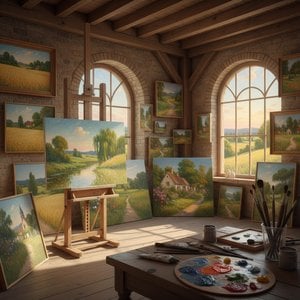
Discover the profound tranquility of rural art through an expert exploration of Impressionist landscapes. From pastoral scenes to textured oil masterpieces, learn how timeless nature-inspired artworks bring enduring elegance and serenity to sophisticated collectors.

Embark on a visual journey through the world's most serene parks. Discover how master artists capture light, texture, and tranquility through exquisite oil paintings and botanical landscapes designed for the discerning art enthusiast.


最新の美術ニュース、限定オファー、そしてインテリアのアイデアをいち早くお届けします。
お客様のプロジェクトについてお聞かせください。当社の美術専門家が、お客様に合わせた3つのパーソナライズされた芸術提案をご提供いたします。
あなたにぴったりの3作品を無料で厳選いたします


 プレビュー
プレビュー
 シェアする
シェアする シェアする
シェアする
 詳細を見る
詳細を見る

 ダウンロード
 似ている作品
 X線調査
X線調査 スライドショー
 詳細を見る
詳細を見る









 ガラスオプションは、110cm未満のサイズでのみご利用いただけます。


