
当社のアーティストが、お客様のご希望のサイズと額縁に合わせて、キャンバスに手描きで制作する油彩画です。 ( プリント版に切り替え デジタル画像販売へ切り替え)





























作品のオリジナル比率に合わせた、当店の規定サイズからお選びください。

特定のフレームやスペースに合わせて、ご希望のサイズをご入力いただけます。選択されたサイズが元の画像の比率と異なる場合、アートワークをトリミングするか、手描きで要素を追加して絵画を拡張いたします。デジタルモックアップ を制作し、制作開始前にご確認(承認)をいただきます。
画面上のプレビューは、実際のトリミングや拡張を正確に反映しているものではありません。最終的な構図は、モックアップによってのみ正確にご確認いただけます。
カスタムサイズもご利用いただけますが、元の比率を維持するためには、あらかじめ用意されたリストからサイズを選択することをお勧めいたします。

Ecce Homo (detail)
複製画のサイズ
The image before you is not merely a depiction of Christ; it’s an invitation into the heart of human reaction, a meticulously rendered tableau of judgment and sorrow. This detail from Quentin Massys' "Ecce Homo," painted in 1526, captures a pivotal moment – the presentation of Jesus to a hostile crowd, a scene brimming with psychological depth and unsettling realism. Massys, a key figure in establishing the Antwerp School’s distinctive style, masterfully utilizes oil paint on panel to achieve an astonishing level of detail, imbuing each face with a palpable sense of emotion.
Massys' approach diverges significantly from earlier depictions of this biblical episode. Instead of presenting a serene, sacrificial figure, he confronts the viewer with the raw, unfiltered responses of those present. The composition is dominated by a chaotic throng, their faces a study in varying degrees of scorn, mockery, and bewildered apathy. Notice how Massys doesn’t shy away from portraying the ugliness of human behavior – the leering expressions, the grasping hands, the blatant disregard for the man before them. This wasn't simply an attempt to illustrate a religious narrative; it was a profound exploration of humanity’s capacity for both cruelty and indifference.
The technical brilliance of “Ecce Homo (detail)” is immediately apparent. Massys demonstrates an extraordinary understanding of human anatomy, meticulously rendering the musculature, wrinkles, and expressions on each face. The figures are not idealized; they possess a tangible physicality, reflecting the artist’s interest in capturing the nuances of individual character. Crucially, Massys employs dramatic chiaroscuro – the skillful use of light and shadow – to heighten the emotional impact. Strong contrasts between illuminated faces and shadowed masses draw the eye to key elements within the composition, creating a sense of theatrical intensity.
The lighting itself seems to amplify the scene’s unsettling atmosphere. The figures closest to Christ are bathed in a harsh, almost unforgiving light, while those further back remain shrouded in darkness. This technique emphasizes Christ's vulnerability and isolation, highlighting his position as the object of public scorn. Massys’ use of color is equally deliberate; muted earth tones dominate the scene, punctuated by the vibrant red of the robe worn by Christ – a stark contrast that draws attention to his suffering.
Beyond its technical mastery, “Ecce Homo (detail)” is rich in symbolic meaning. The figures surrounding Jesus represent not just individual reactions but also broader themes of judgment, betrayal, and the consequences of indifference. The man pointing at Christ with a furious expression embodies the mob’s collective outrage, while the figure pulling Christ's beard symbolizes the act of defiance and mockery. Even seemingly minor details – such as the turban worn by one of the onlookers – carry symbolic weight, hinting at the exotic and unsettling nature of the scene.
The inclusion of figures like the “old fool” with glazed eyes speaks to a deeper commentary on humanity’s capacity for blindness and apathy. Massys isn't simply depicting a historical event; he is offering a timeless meditation on human nature, prompting viewers to confront their own roles in perpetuating cycles of judgment and cruelty. The painting serves as a potent reminder that even the most seemingly insignificant actions can contribute to a climate of disrespect and indifference.
“Ecce Homo (detail)” by Quentin Massys remains a profoundly moving work of art, captivating viewers with its raw emotional intensity and technical brilliance. It’s more than just a religious painting; it's a powerful exploration of human psychology, social dynamics, and the enduring consequences of judgment. Reproductions of this masterpiece offer an opportunity to bring this hauntingly beautiful image into your home or office, serving as a constant reminder of the complexities of human nature and the importance of empathy and compassion. Consider how its dramatic lighting and carefully rendered faces can transform any space, adding depth and intrigue to your surroundings.


1466 - 1530 , ベルギー
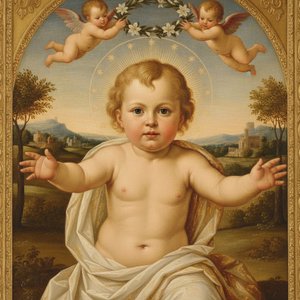
Explore the profound beauty of Baby Jesus in fine art history. From Raphael's Renaissance masterpieces to symbolic light, discover how classical painters captured divine innocence through masterful technique and sacred iconography.


 プレビュー
プレビュー
 シェアする
シェアする シェアする
シェアする
 詳細を見る
詳細を見る

 ダウンロード
 似ている作品
 X線調査
X線調査 スライドショー
 統計情報
統計情報


 詳細を見る
詳細を見る









 ガラスオプションは、110cm未満のサイズでのみご利用いただけます。


