
 OilWallArtNeo-Classical
 1778Early Modern
 78.0 x 106.0 cm
 Lithuanian Art Centre TARTLE
当社のアーティストが、お客様のご希望のサイズと額縁に合わせて、キャンバスに手描きで制作する油彩画です。 ( プリント版に切り替え デジタル画像販売へ切り替え)





























作品のオリジナル比率に合わせた、当店の規定サイズからお選びください。

特定のフレームやスペースに合わせて、ご希望のサイズをご入力いただけます。選択されたサイズが元の画像の比率と異なる場合、アートワークをトリミングするか、手描きで要素を追加して絵画を拡張いたします。デジタルモックアップ を制作し、制作開始前にご確認(承認)をいただきます。
画面上のプレビューは、実際のトリミングや拡張を正確に反映しているものではありません。最終的な構図は、モックアップによってのみ正確にご確認いただけます。
カスタムサイズもご利用いただけますが、元の比率を維持するためには、あらかじめ用意されたリストからサイズを選択することをお勧めいたします。

Esther before Ahasuerus
複製画のサイズ
In the grand tapestry of Neo-Classical history painting, few moments capture the tension between vulnerability and sovereignty as poignantly as Pranciškus Smuglevičius’s Esther before Ahasuerus. Painted in 1778, this masterpiece transports the viewer into the heart of a biblical drama where destiny hangs by a single thread. The canvas centers on the breathtaking figure of Esther, whose presence commands the frame not merely through her regal attire, but through the profound emotional complexity etched upon her face. As she stands before the formidable King Ahasuerus, there is a palpable sense of disbelief and trepidation—a silent prayer captured in pigment. Smuglevičius masterfully utilizes the light to illuminate Esther’s beauty, turning her physical grace into a symbol of the spiritual fortitude required to intercede for her people.
The composition is a sophisticated study in depth and narrative layering. While Esther remains the luminous focal point, the artist subtly populates the periphery with secondary figures who serve as silent witnesses to this high-stakes encounter. These observers, rendered with careful attention to detail, add a layer of courtly intrigue and social context, suggesting the watchful eyes of an empire. The interplay between the central subjects and the background figures creates a theatrical atmosphere, reminiscent of a stage set where every glance and gesture carries the weight of historical consequence. For the discerning collector, this painting offers more than just a depiction of a scene; it offers a window into the psychological landscape of courage.
Smuglevičius, a scholar of the Roman school and a protégé of the great masters, brings a refined technical precision to this work that defines the late 18th-century aesthetic. His training under Anton von Maron is evident in the meticulous handling of textures—the heavy, regal weight of the crown, the delicate sheen of royal fabrics, and the soft, lifelike rendering of skin tones. The artist employs a palette that balances the warmth of human emotion with the cool, structured dignity of the Neo-Classical style. Every brushstroke serves to reinforce the clarity of the narrative, ensuring that the viewer is not lost in ornamentation but remains anchored to the dramatic tension of the subject matter.
For interior designers and curators of fine art reproductions, this piece represents a pinnacle of classical sophistication. The artwork possesses a timeless quality that allows it to anchor a room with authority and grace. Whether placed in a formal study, a grand hallway, or a curated gallery space, Esther before Ahasuerus acts as a conversation piece that invites contemplation on themes of justice, bravery, and the human condition. It is an exquisite choice for those seeking to infuse their environments with the intellectual depth and aesthetic splendor of the Enlightenment era.


1745 - 1807 , ポーランド

Explore the raw energy of Jean-Michel Basquiat and Neo-Expressionism. Discover how urban rebellion redefined modern art through a lens of luxury, identity, and profound emotional intensity for the discerning collector.

Explore the profound evolution of Neo-Abstract art. Discover how bold geometric forms, vibrant chromatic depth, and tactile textures redefine modern expression for the discerning collector seeking sophisticated, high-impact masterpieces for contemporary interiors.

Discover the profound beauty of Academic Classicism. Explore the principles of order, anatomical precision, and the enduring legacy of Neoclassical masters through this expert guide to timeless elegance and technical perfection in fine art.
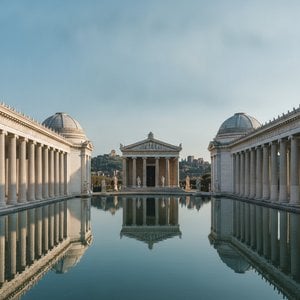
Discover the profound elegance of Neoclassicism. Explore how the pursuit of order, symmetry, and Greco-Roman ideals created a timeless aesthetic for collectors seeking grandeur and intellectual depth in fine art and architecture.


 プレビュー
プレビュー
 シェアする
シェアする シェアする
シェアする
 詳細を見る
詳細を見る

 ダウンロード
 似ている作品
 X線調査
X線調査 スライドショー
 統計情報
統計情報 詳細を見る
詳細を見る









 ガラスオプションは、110cm未満のサイズでのみご利用いただけます。


