プリント版に切り替え デジタル画像販売へ切り替え シェアする
詳細を見る お気に入りに追加 ダウンロード 似ている作品 スライドショー 統計情報

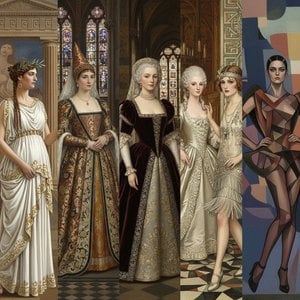
Cocktail ensemble

Admire the timeless elegance of Polygnotus of Thasos's 'Cocktail ensemble,' a meticulously crafted tweed suit captured in studio photography from 1969. Explore the artistry and symbolism of mid-century fashion.

Discover Polygnotus of Thasos, an ancient Greek painter renowned for his frescoes depicting mythological scenes like the Trojan War and Hades' visit. Explore his primitive yet influential art style and historical significance.

手描き油彩複製画

当社のアーティストが、お客様のご希望のサイズと額縁に合わせて、キャンバスに手描きで制作する油彩画です。 ( プリント版に切り替え デジタル画像販売へ切り替え)

標準サイズ
オーダーメイド
CM
INCH

作品のオリジナル比率に合わせた、当店の規定サイズからお選びください。

高さ

特定のフレームやスペースに合わせて、ご希望のサイズをご入力いただけます。選択されたサイズが元の画像の比率と異なる場合、アートワークをトリミングするか、手描きで要素を追加して絵画を拡張いたします。デジタルモックアップ を制作し、制作開始前にご確認(承認)をいただきます。
画面上のプレビューは、実際のトリミングや拡張を正確に反映しているものではありません。最終的な構図は、モックアップによってのみ正確にご確認いただけます。
カスタムサイズもご利用いただけますが、元の比率を維持するためには、あらかじめ用意されたリストからサイズを選択することをお勧めいたします。

カスタマイズの例:顔をお客様の写真に置き換える、ペットを追加する(例:猫を犬に変更)、背景に隠れたメッセージを入れる、背景の風景や要素を変更するなど。
ご注文後、WahooArt.com チームより詳細な指示をお送りするとともに、仕上がりイメージ(モックアップ)をご提供いたします。

世界中への配送()は、通常の5週間ではなく、3〜4週間でお届けいたします。(19 9月)。品質には一切妥協いたしません。

why_choose_icon
世界中へ無料エクスプレス配送
why_choose_icon
高品質なリネンキャンバス
why_choose_icon
配送時完全保険付
why_choose_icon
関税・輸入税の払い戻し保証
why_choose_icon
忠実な色彩再現保証
why_choose_icon
100日間返品保証(製造上の欠陥がある場合のみ)
why_choose_icon
100% 全額返金保証
why_choose_icon
まとめ買い割引のご案内

合計金額

$ 272

reproduction

Cocktail ensemble

複製技法

複製画のサイズ

-

合計金額

$ 272

作品詳細

  • Artist: Polygnotus of Thasos
  • Title: Cocktail ensemble
  • Notable elements or techniques: Tweed texture, tailored cut
  • Artistic style: Documentary/Studio Photography
  • Medium: Photographic print

アート・クイズ

各質問の正解は1つだけです。

問題 1:
What is the primary subject matter depicted in the artwork?
問題 2:
What decade was this specific 'Cocktail ensemble' designed?
問題 3:
Which color palette dominates the visual aesthetic of the ensemble?
問題 4:
What type of material is suggested for the suit's texture?
問題 5:
Although the artist listed is Polygnotus of Thasos, what style does the photograph itself represent?

The Echoes of Mid-Century Chic: A Study in Tailored Elegance

To gaze upon this depiction of the "Cocktail ensemble" is to step directly into the sophisticated glow of 1969. It is not merely a photograph of clothing; it is a preserved moment of post-war glamour, an artifact whispering tales of structured femininity and effortless style. The composition centers on a vintage women's suit—a jacket paired with a matching skirt—presented with the stark clarity only studio photography can achieve. The immediate visual impact is one of disciplined elegance, dominated by the classic interplay of black and white, punctuated by crisp white detailing at the collar and tie. This ensemble speaks to an era when fashion was both an art form and a precise statement of social standing.

Texture, Structure, and the Art of the Weave

The technical mastery evident in this piece lies within its materiality. The fabric itself, appearing to be a richly textured tweed or similar tightly woven blend, is central to the visual narrative. Observe how the weave catches the soft, diffused light; it creates an intricate topography across the black expanse of the suit, giving depth where flat color might fail. The tailoring is impeccable, defining a structured silhouette that speaks volumes about the design principles of Polygnotus of Thasos. While the artist's name evokes ancient Greek mural painting—a fascinating juxtaposition given the 1969 date—the skill applied here to fabric structure suggests an understanding of form that transcends time. The way the jacket layers over the visible underlayer adds a subtle, almost architectural depth to the presentation.

Symbolism of the Cocktail Attire

Beyond its aesthetic appeal, this ensemble carries potent symbolic weight. It embodies sophistication and controlled exuberance—the perfect attire for an evening gathering where one wishes to project confidence without shouting it. The black and white palette itself is a timeless symbol of duality, purity against mystery, making the wearer appear both grounded and ethereal. For collectors or designers seeking inspiration, this piece suggests that true style is not about fleeting trends, but about mastering foundational structures—the perfect cut, the enduring contrast, the quality of the weave. It evokes an emotional resonance of polished nostalgia.

A Reproduction for Modern Adornment

For those who wish to bring this captured moment of mid-century glamour into a contemporary space, acquiring a high-quality reproduction allows one to curate a narrative within their own home or studio. The photographic medium itself lends an air of documentary truth, making the piece feel both historical and immediate. Whether displayed as fine art photography or used as inspiration for interior design accents, this "Cocktail ensemble" serves as a powerful anchor point—a reminder that true style is always meticulously considered.


アーティストの略歴

The Dawn of Soul in Greek Painting: Polygnotus of Thasos

Polygnotus, a name whispered through the annals of ancient art history as “the Homer of painters,” represents a pivotal moment—a transition from the decorative to the deeply expressive. Living during the mid-5th century BC, a period of burgeoning Athenian power and artistic revival following the Persian Wars, Polygnotus wasn’t merely a craftsman applying pigment to walls; he was a storyteller who imbued his frescoes with an unprecedented sense of character and moral weight. Born on the island of Thasos, he became inextricably linked with Athens, adopted by the city not through political maneuvering but through the sheer force of his artistic genius. His father, Aglaophon, initiated him into the mysteries of painting, yet Polygnotus surpassed his teacher, forging a path that would redefine Greek mural art and influence generations to come.

A Patronage Rooted in Civic Pride

Polygnotus’s rise coincided with the leadership of Cimon, a prominent Athenian statesman who recognized the power of art as a vehicle for civic pride and cultural identity. It was during Cimon's time that Polygnotus received commissions for two monumental works within Athens itself: *Iliupersis* (The Sack of Troy) adorning the walls of the Stoa Poikile, and *Nekyia* (Odysseus’ Descent into Hades), painted in the Anacaeum. Plutarch recounts a fascinating detail—that Polygnotus refused monetary compensation for these projects, motivated instead by a genuine desire to serve the Athenian people. This act alone speaks volumes about his character and the evolving perception of the artist as more than just a skilled laborer but as a benefactor contributing to the collective spirit of the city. These were not simply depictions of mythological events; they were visual narratives intended to inspire patriotism, reflect on the consequences of war, and explore fundamental human values.

Frescoes That Spoke Volumes: Technique and Innovation

The most celebrated—and tragically, largely lost to time—examples of Polygnotus’s artistry are his frescoes within the Lesche of the Knidians at Delphi. These paintings, depicting scenes from Odysseus' journey to the underworld and the fall of Troy, were meticulously documented by the traveler Pausanias in the 2nd century AD, providing invaluable insights into their composition and style. Polygnotus employed a limited palette—black, white, yellow, and red—yet achieved remarkable expressiveness through subtle color mixing and masterful draftsmanship. His technique was notably innovative for its time. Unlike earlier artists who often presented figures in rigid profile, Polygnotus arranged his compositions with figures detached yet interacting, spanning multiple levels without the illusionistic depth of later periods. The figures weren’t smaller or dimmer as they receded into space; instead, they maintained a consistent clarity and presence, creating a unique sense of narrative coherence. This approach, described by some scholars as akin to contemporary sculptural reliefs, prioritized storytelling over strict realism.

The Ethos of the Human Form

What truly distinguished Polygnotus was his ability to convey *ethos*—the character, moral disposition, and inner life of his subjects. Aristotle famously praised him as a “fine portrayer of ethos,” contrasting his work with that of Zeuxis, who focused on mere visual accuracy. Polygnotus didn’t aim for photographic representation; he sought to capture the essence of human emotion and experience. He was among the first to depict figures with open mouths, showing teeth in expressions of anguish or determination—a radical departure from earlier conventions. His paintings weren't simply *about* mythological heroes; they *felt* like those heroes, imbued with a sense of vulnerability, courage, and suffering. This emphasis on psychological depth resonated deeply with audiences and established a new standard for artistic expression.

A Lasting Legacy: The First Great Painter

Polygnotus’s influence extended far beyond his own lifetime. He was revered by later artists and writers as the founder of Greek painting, the one who first breathed soul into form and color. Though few original works survive—only fragments and descriptions remain—his impact is undeniable. His emphasis on narrative clarity, emotional expressiveness, and moral depth laid the groundwork for subsequent generations of painters, shaping the course of Western art for centuries to come. He wasn’t merely a painter; he was a philosopher who used his brush as a tool for exploring the human condition, leaving behind a legacy that continues to inspire awe and admiration today.

基本情報

  • Artistic Movement Or Style: Ancient Greek painting
  • Artists Who Influenced This Artist: ['Aglaophon']
  • Date Of Birth: 5th century BC
  • Full Name: Polygnotus of Thasos
  • Nationality: Greek
  • Notable Artworks:
    • Taking of Troy
    • Marriage of Leucippus's daughters
    • Visit to Hades
    • Odysseus and the Trojan War
  • Place Of Birth: Thassos, Greece